
Introduction
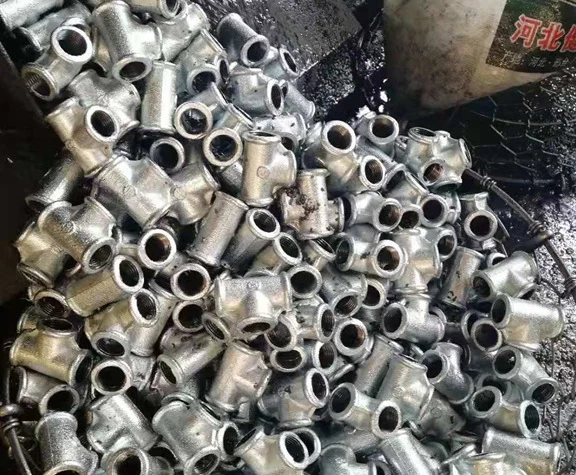
Galvanised steel water pipe is a ubiquitous component in potable water distribution systems, industrial fluid conveyance, and fire suppression networks. It consists of a carbon steel pipe internally coated with a layer of zinc via a hot-dip galvanisation process. This zinc coating provides sacrificial corrosion protection, significantly extending the service life of the steel substrate. Its technical position within the industry chain is as a finished product derived from steel manufacturing, zinc refining, and specialised pipe forming and coating processes. Core performance characteristics include pressure containment, fluid transport efficiency, resistance to internal and external corrosion, and structural integrity under various loading conditions. Galvanised steel pipe competes with alternative materials such as copper, PVC, CPVC, and stainless steel, each possessing distinct advantages and disadvantages concerning cost, longevity, and application suitability. A key industry pain point centers around maintaining coating integrity over time, as damage to the zinc layer compromises corrosion resistance, and discerning acceptable levels of degradation for continued service is critical.
Material Science & Manufacturing
The foundational material is typically carbon steel, with ASTM A53 Grade B being a common specification. This steel typically contains 0.08-0.15% carbon, with manganese, silicon, and phosphorus levels also defined. The mechanical properties of the steel, including yield strength (typically 240 MPa) and tensile strength (typically 400 MPa), are crucial for withstanding hydrostatic pressure and external loads. The galvanisation process itself involves immersing the steel pipe in a bath of molten zinc (98% purity or greater) at temperatures around 450°C. This creates a metallurgically bonded coating consisting of zinc-iron alloy layers (Gamma, Delta, Zeta) and a final outer layer of pure zinc (Epsilon). The thickness of the zinc coating, typically specified in grams per square meter (e.g., 400-600 g/m²), directly correlates with corrosion protection longevity. Manufacturing processes include Electric Resistance Welding (ERW) for smaller diameter pipes and seamless manufacturing for larger diameters. Key parameter control during manufacturing includes precise temperature control during galvanisation to ensure uniform coating thickness, surface preparation (pickling and fluxing) to promote adhesion, and quality control checks for coating defects (e.g., blisters, unreacted areas). The chemical composition of the zinc bath must be consistently monitored for impurities like lead, cadmium and iron, which affect coating quality.
Performance & Engineering
The performance of galvanised steel water pipe is governed by its ability to withstand internal hydrostatic pressure, external soil loads, and corrosive environments. Force analysis dictates the required wall thickness based on design pressure and pipe diameter, utilizing equations derived from Barlow’s formula and considering safety factors. Environmental resistance is paramount, focusing on the rate of zinc corrosion and the underlying steel’s protection. Corrosion rates are influenced by soil resistivity, pH levels, moisture content, and the presence of chlorides or sulfates. Galvanic corrosion can occur if the pipe is electrically connected to dissimilar metals in the soil. Compliance requirements are stringent, adhering to standards like AWWA C151/A21.1 for US applications and EN 10255 for European standards, defining dimensional tolerances, mechanical properties, and coating specifications. Furthermore, the pipe must conform to local plumbing codes regarding pressure testing, installation procedures, and backflow prevention. Functional implementation often involves threaded connections or welded joints, each requiring specific engineering considerations to ensure leak-tight seals and structural integrity. Stress corrosion cracking, especially in chloride-containing environments, is a potential failure mechanism requiring careful material selection and protective measures.
Technical Specifications
| Parameter | Unit | ASTM A53 Grade B | EN 10255 (Typical) |
|---|---|---|---|
| Yield Strength | MPa | 240 | 235 |
| Tensile Strength | MPa | 400 | 360-440 |
| Zinc Coating Thickness | g/m² | 400-600 | 450-700 |
| Wall Thickness | mm | Schedule 40 (4.2 mm) - Schedule 80 (6.4 mm) | Light (2.9 mm) – Heavy (6.4 mm) |
| Outside Diameter | mm | 1/2" to 12" (13.7 – 304.8 mm) | 1/2" to 12" (13.7 – 304.8 mm) |
| Hydrostatic Test Pressure | MPa | Varies by Schedule & Diameter | Varies by Dimension & Standard |
Failure Mode & Maintenance
Common failure modes in galvanised steel water pipes include uniform corrosion (gradual depletion of the zinc layer), pitting corrosion (localized attack due to imperfections in the coating), crevice corrosion (accelerated corrosion in shielded areas), and coating damage (mechanical abrasion or impact). Fatigue cracking can occur under cyclic loading, particularly at threaded connections. Hydrogen embrittlement, induced by electrochemical reactions, can reduce ductility and promote cracking. Delamination of the zinc coating from the steel substrate is a severe failure mode, often initiated by poor surface preparation during galvanisation. Maintenance solutions include regular inspection for coating defects, application of protective coatings (e.g., epoxy) to repair damaged areas, cathodic protection (impressed current or sacrificial anodes) to mitigate corrosion, and proper grounding to prevent galvanic corrosion. Periodic hydrostatic testing can identify leaks and structural weaknesses. In cases of severe corrosion or mechanical damage, pipe replacement is necessary. Careful consideration should be given to water chemistry; maintaining appropriate pH levels and minimizing chloride concentrations can significantly extend pipe lifespan. Joint integrity must be routinely assessed as they represent a common point of failure.
Industry FAQ
Q: What is the expected service life of a galvanised steel water pipe in typical potable water applications?
A: The service life can range from 50 to 100 years, depending on water quality (pH, chloride content), soil conditions (resistivity, moisture), and maintenance practices. Regularly monitoring water chemistry and implementing cathodic protection can maximize lifespan.
Q: How does the pH of the water affect the corrosion rate of galvanised steel?
A: A pH below 6.5 increases corrosion rates as the protective zinc layer becomes less stable. A pH above 8.5 can also accelerate corrosion due to the formation of zinc hydroxide. Ideally, a pH between 7.0 and 8.0 is optimal.
Q: What are the advantages of using galvanised steel pipe over PVC or CPVC?
A: Galvanised steel offers superior mechanical strength, higher temperature resistance, and greater resistance to physical damage compared to PVC or CPVC. It also provides a more secure connection and is less susceptible to permeation by certain chemicals.
Q: What are the limitations of galvanised steel pipe in certain applications?
A: Galvanised steel is susceptible to corrosion, particularly in highly corrosive environments. It's also heavier and more expensive than PVC or CPVC. Lead contamination from lead-based solder used in older installations is also a concern.
Q: How can you identify potential corrosion issues in an existing galvanised steel pipe system?
A: Look for visible rust, white corrosion products (zinc oxides), leaks, reduced water flow, and changes in water colour or taste. Periodic inspection and pressure testing are crucial for early detection.
Conclusion
Galvanised steel water pipe remains a robust and cost-effective solution for numerous water conveyance applications, underpinned by its sacrificial corrosion protection mechanism and inherent structural strength. However, its long-term performance is intricately linked to proper material selection, meticulous manufacturing processes, diligent maintenance protocols, and a comprehensive understanding of the prevailing environmental conditions. The continued relevance of galvanised steel hinges on proactive corrosion management strategies and adherence to evolving industry standards.
Future advancements in coating technologies, such as the incorporation of nano-materials to enhance barrier properties and self-healing capabilities, could further extend the lifespan and reliability of galvanised steel piping systems. Furthermore, the integration of smart sensing technologies for real-time corrosion monitoring will allow for predictive maintenance and optimized resource allocation, ensuring sustainable and efficient water infrastructure management.
