
Introduction
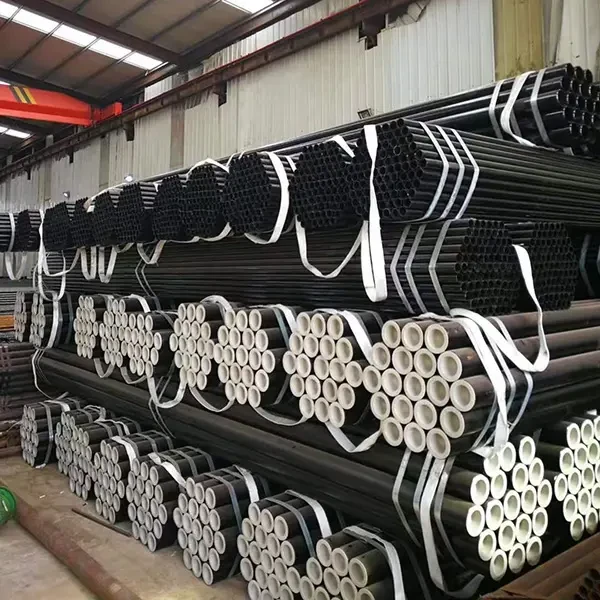
Galvanised tubing, encompassing both steel and iron varieties, represents a critical component within numerous industrial sectors, including construction, plumbing, automotive, and agricultural applications. Its prevalence stems from the combined benefits of base metal strength and the corrosion resistance imparted by the zinc coating. This technical guide focuses on the factors influencing galvanised tubing prices, encompassing material composition, manufacturing processes, dimensional tolerances, coating specifications, and market dynamics. Understanding these elements is paramount for procurement managers, engineers, and supply chain professionals aiming for optimal value and long-term performance. Galvanised tubing’s pricing isn't solely determined by weight or diameter; it’s a complex interplay of raw material costs (steel/iron and zinc), energy prices associated with production, coating thickness, and adherence to stringent quality control standards. The current market faces challenges including fluctuations in zinc prices, increasing energy costs, and supply chain disruptions, all impacting the final cost per unit length.
Material Science & Manufacturing
The core material for galvanised tubing is typically carbon steel (ASTM A53 Grade B, for example), although iron variants exist for specific applications. The steel's composition – varying carbon content, manganese, phosphorus, and sulfur levels – significantly affects its weldability, ductility, and overall strength. Prior to galvanisation, the steel undergoes several stages of preparation. This includes pickling (acid cleaning to remove mill scale), fluxing (applying a chemical solution to promote zinc adhesion), and drying. The galvanisation process itself is most commonly hot-dip galvanising, where the steel tubing is immersed in a molten zinc bath (typically 98% pure zinc). The zinc metallurgically bonds with the steel, forming a series of zinc-iron alloy layers, providing robust corrosion protection. Alternative methods include electrogalvanising and zinc spraying, offering different coating thicknesses and properties. Precise control of bath temperature (around 450°C), immersion time, and cooling rate are crucial for achieving a uniform and durable zinc coating. Furthermore, the thickness of the zinc coating, typically measured in grams per square meter (g/m²), directly impacts both the corrosion resistance and the material cost. Tube manufacturing utilizes processes like Electric Resistance Welding (ERW) or seamless extrusion, each impacting price and structural integrity. ERW tubing generally offers lower costs but may have limitations in high-pressure applications compared to seamless tubing.
Performance & Engineering
The primary performance criterion for galvanised tubing is its corrosion resistance, determined by the coating thickness, zinc alloy layer composition, and the operating environment. Corrosion resistance is directly tied to the zinc’s sacrificial anodic protection; zinc corrodes preferentially, protecting the underlying steel. However, performance is also dictated by mechanical properties. Yield strength, tensile strength, and elongation are critical parameters, particularly under load. These are directly influenced by the steel grade used as the base material. Engineering design must account for factors such as hydrostatic pressure (in fluid transfer applications), bending radius (to avoid coating cracking), and potential for localized stress concentrations. Finite element analysis (FEA) is often employed to validate designs. Furthermore, the uniformity of the galvanised coating is paramount. Coating defects, such as porosity or thin spots, can initiate corrosion. Adherence to standards like ASTM A123 (Standard Specification for Zinc (Hot-Dip Galvanized) Coatings on Iron and Steel Products) ensures consistent coating quality and performance. Environmental resistance extends beyond corrosion to encompass resistance to UV radiation (which can degrade the zinc coating over time), and chemical attack (particularly in industrial settings exposed to acids, alkalis, or chlorides). The long-term cost-benefit analysis of galvanised tubing hinges on minimising maintenance requirements and maximising service life.
Technical Specifications
| Parameter | Specification (Typical) | Unit | Impact on Price |
|---|---|---|---|
| Steel Grade | ASTM A53 Grade B | - | Moderate |
| Outer Diameter | 1/2" - 8" | inches | Significant |
| Wall Thickness | Schedule 40, Schedule 80 | inches | Significant |
| Zinc Coating Thickness (Hot-Dip) | 85 μm (3.3 mils) minimum | μm / mils | Significant |
| Zinc Coating Method | Hot-Dip Galvanising | - | Moderate |
| Yield Strength (Steel) | 250 MPa | MPa | Moderate |
| Tensile Strength (Steel) | 450 MPa | MPa | Moderate |
Failure Mode & Maintenance
Failure modes in galvanised tubing are typically associated with coating degradation or mechanical failure of the underlying steel. Common failure modes include: 1) Uniform Corrosion: Gradual thinning of the zinc coating over time, primarily in harsh environments. 2) White Rust (Zinc Carbonate): Formation of a white powdery substance due to reaction with carbon dioxide and moisture, indicating coating deterioration. 3) Crevice Corrosion: Accelerated corrosion in shielded areas where moisture and chlorides can accumulate. 4) Coating Cracking: Occurring during bending or impact, compromising the protective barrier. 5) Fatigue Cracking: Under cyclic loading, particularly at weld points or stress concentrations. 6) Hydrogen Embrittlement: A phenomenon where hydrogen atoms diffuse into the steel, reducing its ductility and increasing its susceptibility to cracking, often associated with the pickling process. Maintenance strategies include regular inspection for coating damage, cleaning to remove contaminants (chlorides, sulfates), and application of protective coatings (e.g., epoxy paints) to supplement the zinc coating in particularly aggressive environments. Repairing damaged coatings with zinc-rich paints can extend service life. In cases of significant corrosion, replacement of the tubing is often necessary. Proper storage of tubing is also critical; protecting it from moisture and direct contact with corrosive substances.
Industry FAQ
Q: What is the impact of zinc price fluctuations on galvanised tubing prices?
A: Zinc is a primary raw material; significant increases in zinc prices directly translate to higher costs for galvanising, and consequently, higher prices for galvanised tubing. Approximately 30-40% of the cost of galvanised tubing is attributable to zinc. Procurement strategies often involve hedging against zinc price volatility or negotiating long-term contracts with suppliers.
Q: How does the coating thickness affect the price and corrosion resistance?
A: Increased coating thickness provides greater corrosion protection but also increases the amount of zinc used, leading to a higher price. There’s a diminishing return effect; increasing thickness beyond a certain point provides marginal improvements in corrosion resistance relative to the added cost. ASTM A123 specifies minimum coating weights for different service environments.
Q: What is the difference in price between ERW and seamless galvanised tubing?
A: Seamless tubing is generally more expensive than ERW tubing due to the more complex manufacturing process. Seamless tubing offers superior strength and is preferred for high-pressure applications. ERW tubing is cost-effective for lower-pressure applications where dimensional accuracy is less critical.
Q: How do supply chain disruptions impact the availability and price of galvanised tubing?
A: Supply chain disruptions, such as those experienced during the recent pandemic or geopolitical events, can lead to shortages of raw materials (steel and zinc) and increased transportation costs, driving up prices. Diversifying suppliers and maintaining adequate inventory levels can mitigate these risks.
Q: What is the role of passivation treatments after galvanisation and how does it influence price?
A: Passivation treatments (e.g., chromate conversion coatings) can enhance the corrosion resistance of galvanised tubing, particularly in marine or coastal environments. However, these treatments add to the manufacturing cost. Increasingly, hexavalent chromium is being replaced by more environmentally friendly, though potentially less effective, trivalent chromium passivation, impacting both price and performance.
Conclusion
Galvanised tubing pricing is a multifaceted issue influenced by raw material costs, manufacturing processes, coating specifications, and broader market forces. Procurement professionals must possess a thorough understanding of these factors to negotiate favorable pricing and ensure the selection of tubing that meets application-specific performance requirements. Optimizing coating thickness, selecting appropriate steel grades, and considering long-term life-cycle costs are crucial for maximizing value.
The ongoing trend toward sustainability is driving innovation in galvanising technologies, including the development of more environmentally friendly coatings and processes. Future price fluctuations will likely be impacted by regulatory changes related to zinc production and environmental compliance. A proactive approach to supply chain management and a deep understanding of material science are essential for navigating the complexities of the galvanised tubing market and maintaining a competitive advantage.
