
Introduction
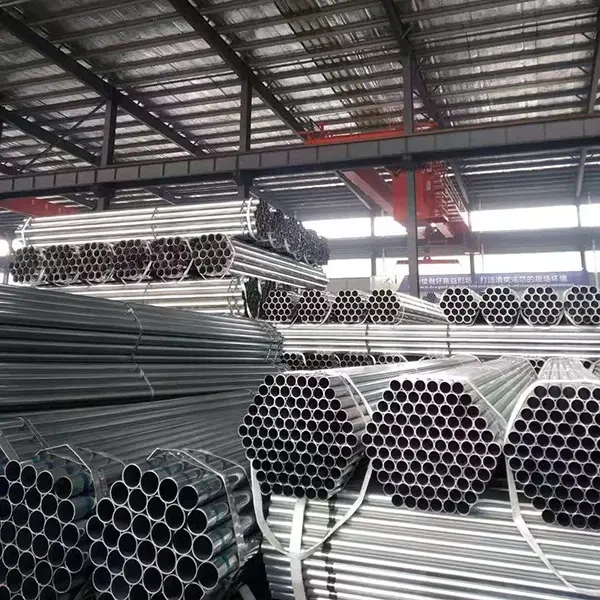
Galvanised water pipe, typically constructed from carbon steel with a protective zinc coating, represents a foundational element in fluid transport systems across residential, commercial, and industrial sectors. Positioned within the broader piping industry, galvanised steel pipes serve as a cost-effective alternative to more corrosion-resistant materials like stainless steel or plastics, especially in applications where high pressure and temperature are not dominant concerns. The core performance characteristics revolve around its ability to convey potable water, heating fluids, and in some instances, industrial process liquids, whilst offering a degree of protection against rust and corrosion – though not absolute immunity. The manufacturing process, predicated on hot-dip galvanisation, imparts a metallurgical bond between the zinc coating and the steel substrate, providing sacrificial corrosion protection. A key industry pain point is the long-term degradation of the zinc coating, leading to eventual corrosion of the underlying steel, necessitating periodic inspection and maintenance.
Material Science & Manufacturing
The base material for galvanised water pipe is typically carbon steel, specifically low carbon steel grades such as ASTM A53 Grade B or API 5L X42. These steels are selected for their weldability, formability, and relatively low cost. The key physical properties include a tensile strength ranging from 415-550 MPa, yield strength of 250-345 MPa, and an elongation at break of 20-30%. Chemically, the steel composition primarily consists of iron with varying percentages of carbon, manganese, silicon, and phosphorus. The galvanisation process itself, almost universally hot-dip galvanisation, involves immersing the steel pipe into a molten zinc bath (typically 98% pure zinc) maintained at around 450-460°C. This process creates a series of metallurgical layers: the Gamma (Γ) layer, Zeta (ζ) layer, Delta (δ) layer, and Eta (η) layer. The Zeta layer is crucial for adhesion. Critical process parameters include bath temperature control, immersion time (influencing coating thickness), and post-treatment procedures like chromate conversion coating (although increasingly restricted due to environmental regulations) or passivation to enhance corrosion resistance. Manufacturing also involves seam welding for larger diameter pipes, followed by rigorous non-destructive testing (NDT) such as ultrasonic testing and radiographic inspection to ensure weld integrity and eliminate defects. The zinc coating thickness is a critical parameter, typically ranging from 85-150 g/m² depending on the application and standard requirements.
Performance & Engineering
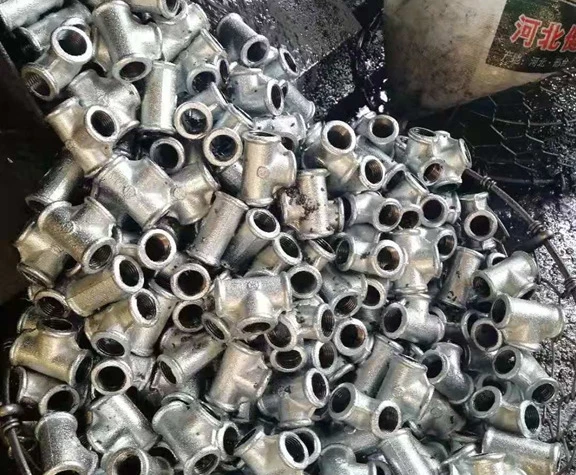
The performance of galvanised water pipe is fundamentally dictated by its ability to withstand internal hydrostatic pressure, external loads, and corrosive environments. Force analysis is critical, considering hoop stress due to internal pressure calculated using Barlow’s formula (S = PD/2t, where S = hoop stress, P = internal pressure, D = pipe diameter, and t = wall thickness). Engineering design must account for factors of safety to prevent burst or collapse. Environmental resistance is a primary concern; the zinc coating provides cathodic protection to the steel, meaning the zinc corrodes preferentially, protecting the steel substrate. However, this protection is diminished in acidic or alkaline environments and in the presence of chlorides. Compliance requirements are stringent, governed by standards like NSF/ANSI 61 for potable water systems, ensuring the pipe material does not leach harmful contaminants into the water. The lifespan of a galvanised pipe is significantly influenced by the water quality (pH, dissolved oxygen, chloride content) and soil conditions (if buried). Finite Element Analysis (FEA) is routinely employed in engineering design to model stress distribution and predict potential failure points, particularly at threaded connections or weld seams. Threaded connections require careful torque specification during installation to ensure a leak-proof seal without overstressing the threads. Furthermore, thermal expansion and contraction must be considered, especially in long pipe runs, to prevent buckling or stress cracking.
Technical Specifications
| Parameter | Unit | ASTM A53 Grade B | API 5L X42 |
|---|---|---|---|
| Yield Strength | MPa | 250 | 345 |
| Tensile Strength | MPa | 415-550 | 485-550 |
| Elongation at Break | % | 20-30 | 22-25 |
| Minimum Wall Thickness | mm | 2.6 | 3.2 |
| Zinc Coating Thickness | g/m² | 85-150 | 85-150 |
| Hydrostatic Test Pressure | MPa | 6.9 | 9.6 |
Failure Mode & Maintenance
Galvanised water pipes are susceptible to several failure modes. Corrosion is the most prevalent, particularly after the zinc coating degrades, exposing the underlying steel to the environment. This manifests as rust formation, pitting corrosion, and ultimately, perforation of the pipe wall. Another common failure mode is dezincification, where zinc is selectively leached from the alloy, weakening the coating and accelerating corrosion. Threaded connections are prone to failure due to corrosion at the threads, leading to leaks. Fatigue cracking can occur under cyclic loading, especially in buried pipes subjected to ground movement. Hydrogen embrittlement, a less common but critical failure mode, can occur in high-strength steel due to the absorption of hydrogen, leading to brittle fracture. Maintenance strategies involve periodic inspection for signs of corrosion, particularly at joints and in areas exposed to moisture. Cathodic protection, using sacrificial anodes or impressed current systems, can significantly extend the lifespan of buried pipelines. Surface preparation and re-coating with zinc-rich paints or epoxy coatings can repair localized corrosion damage. Regular flushing of the pipes can remove sediment buildup that can accelerate corrosion. In cases of severe corrosion or leaks, pipe replacement is necessary. Water quality analysis is essential to identify and address factors contributing to corrosion, such as low pH or high chloride content.
Industry FAQ
Q: What is the typical lifespan of a galvanised water pipe system?
A: The typical lifespan of a galvanised water pipe system varies significantly depending on environmental conditions and water quality. Generally, it ranges from 40 to 70 years, but can be shorter in highly corrosive environments or with aggressive water chemistry. Regular inspections and maintenance can extend this lifespan.
Q: How does water pH affect the corrosion rate of galvanised steel?
A: Low pH (acidic water) accelerates corrosion by dissolving the zinc protective layer. High pH (alkaline water) can also accelerate corrosion, especially in the presence of chlorides. Maintaining a neutral pH (around 7.0) is optimal for minimizing corrosion.
Q: Is galvanised steel suitable for high-temperature applications?
A: Galvanised steel is generally not recommended for sustained high-temperature applications (above 120°C). The zinc coating can degrade at elevated temperatures, reducing its protective effectiveness. Higher temperature applications require materials like stainless steel.
Q: What are the alternatives to galvanised steel for water pipe systems?
A: Alternatives include copper, stainless steel, CPVC (chlorinated polyvinyl chloride), PEX (cross-linked polyethylene), and HDPE (high-density polyethylene). Each material has its own advantages and disadvantages in terms of cost, corrosion resistance, and mechanical properties.
Q: How can I identify corrosion in a galvanised water pipe system?
A: Signs of corrosion include rust formation on the pipe surface, visible pitting, leaks at joints, and a decrease in water pressure. A visual inspection, coupled with water quality testing, can help identify corrosion problems.
Conclusion
Galvanised water pipe remains a relevant, albeit increasingly challenged, material in fluid conveyance systems. Its cost-effectiveness and adequate corrosion resistance for many applications have ensured its continued use. However, the inherent limitations of zinc coatings – susceptibility to degradation in specific environments and eventual need for maintenance – necessitate careful consideration during design and implementation. The longevity and reliability of galvanised steel pipe systems are inextricably linked to proactive inspection, preventative maintenance, and a thorough understanding of the underlying corrosion mechanisms.
Future trends suggest a gradual shift towards alternative materials offering superior corrosion resistance and longevity, particularly in demanding applications. Advancements in polymer technology and the decreasing cost of stainless steel are driving this transition. Nevertheless, a substantial installed base of galvanised steel pipelines will continue to exist for decades, requiring ongoing maintenance and monitoring to ensure continued safe and reliable operation. Prioritising water quality management and implementing cathodic protection strategies will remain crucial for extending the service life of these systems.