
Introduction
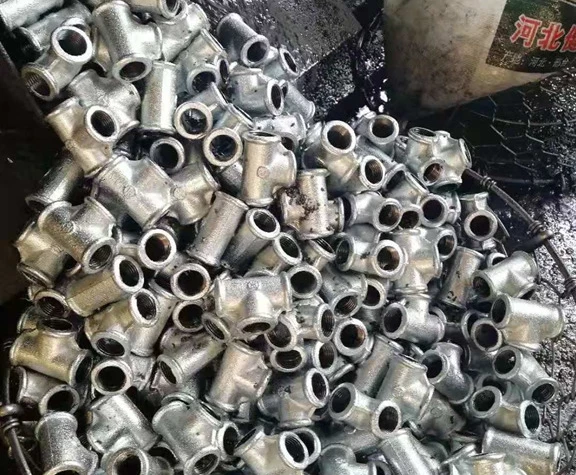
Galvanized air pipe, typically manufactured from carbon steel and coated with a zinc layer, constitutes a critical component in pneumatic systems, ventilation, and compressed air distribution networks across diverse industries. Its primary function is to convey compressed air efficiently and reliably while resisting corrosion. Positioned downstream from air compressors and upstream of pneumatic actuators, tools, and control systems, galvanized steel pipe serves as a robust and cost-effective alternative to copper or aluminum in many applications. Core performance characteristics include pressure rating, corrosion resistance (determined by zinc coating thickness), dimensional accuracy, and weldability/threadability for system integration. The selection of galvanized steel is often driven by a balance between initial cost, longevity, and the specific operational demands of the system, particularly concerning the potential for exposure to moisture or corrosive elements. Increasingly, however, the industry faces scrutiny regarding the long-term integrity of galvanized coatings and the potential for zinc flaking and corrosion product buildup within the air stream, driving exploration of alternative materials and coating technologies.
Material Science & Manufacturing
The foundation of galvanized air pipe lies in its constituent materials: carbon steel and zinc. Carbon steel, commonly ASTM A53 Grade B, provides the structural strength and rigidity necessary to withstand internal pressures. The chemical composition of the steel—primarily iron with varying amounts of carbon, manganese, silicon, and phosphorus—dictates its mechanical properties, including yield strength, tensile strength, and ductility. Manufacturing begins with hot-rolling or seamless extrusion to form the pipe’s cylindrical shape. The subsequent galvanizing process, typically hot-dip galvanizing, involves immersing the steel pipe in a bath of molten zinc. This creates a metallurgical bond between the zinc and the steel, forming a series of zinc-iron alloy layers followed by a layer of pure zinc. The thickness of the zinc coating is crucial, typically specified in terms of zinc weight per unit area (e.g., G90, G100). Key parameter control during galvanizing includes bath temperature, immersion time, steel surface preparation (pickling to remove mill scale and rust), and cooling rate. Non-uniform coating thickness, incomplete alloy layer formation, and the presence of iron oxides can compromise corrosion protection. Alternative galvanizing methods, like electrogalvanizing, offer greater control over coating thickness but often provide less durable adhesion compared to hot-dip galvanizing. Post-galvanizing processes involve threading, end finishing, and quality control inspections to ensure dimensional compliance and coating integrity. The steel’s microstructure, specifically the grain size and phase composition (pearlite, ferrite, cementite), also influences its susceptibility to corrosion and the adhesion of the zinc coating.
Performance & Engineering
The performance of galvanized air pipe is governed by a complex interplay of mechanical stresses, environmental factors, and fluid dynamics. Force analysis centers on the pipe’s ability to withstand internal pressure without yielding or fracturing. This is dictated by the pipe's wall thickness, diameter, and the material's yield strength. Burst pressure calculations adhere to standards like ASME B31.3, which incorporates safety factors to account for manufacturing tolerances and potential operational fluctuations. Environmental resistance, specifically corrosion protection, is the primary advantage of galvanization. However, long-term exposure to moisture, chlorides, and sulfur compounds can lead to zinc corrosion and eventual steel degradation. Galvanic corrosion, where the zinc acts as a sacrificial anode, protects the steel but diminishes the zinc coating over time. The rate of corrosion is influenced by factors such as pH, temperature, and the presence of pollutants. Compliance requirements vary by region but typically involve adherence to standards related to air quality (preventing zinc particles from contaminating the air stream), structural integrity, and fire safety. Functional implementation requires careful consideration of system layout, pipe supports, and connection methods (threaded, welded, or flanged). Proper pipe support minimizes stress concentration and prevents sagging, which can compromise the structural integrity of the system. Furthermore, the flow rate of compressed air and the pressure drop across the pipe network must be engineered to optimize system efficiency and prevent excessive energy consumption.
Technical Specifications
| Parameter | ASTM A53 Grade B (Typical) | Schedule 40 | Schedule 80 | Zinc Coating (G90) |
|---|---|---|---|---|
| Material | Carbon Steel | Carbon Steel | Carbon Steel | Zinc |
| Yield Strength (MPa) | 250 | 250 | 250 | N/A |
| Tensile Strength (MPa) | 450 | 450 | 450 | N/A |
| Wall Thickness (mm) | Varies by Schedule | 2.77 | 4.50 | Varies |
| Outer Diameter (inches) | Varies | Varies | Varies | Varies |
| Zinc Coating Weight (g/m²) | N/A | N/A | N/A | 275 |
Failure Mode & Maintenance
Galvanized air pipes are susceptible to several failure modes, primarily related to corrosion and mechanical stress. A common failure is localized corrosion, particularly at threaded connections or welds, due to inadequate coating coverage or damage during installation. Zinc flaking and white rust (zinc corrosion products) can accumulate within the air stream, leading to clogging of filters and reduced system efficiency. Crevice corrosion can occur in areas where moisture accumulates and oxygen access is limited. Long-term exposure to corrosive environments can eventually lead to base metal corrosion (red rust) after the zinc layer is depleted. Fatigue cracking can initiate at stress concentrators, such as welds or dents, under cyclic loading conditions. Delamination of the zinc coating, often caused by poor surface preparation prior to galvanizing, reduces the coating's protective effectiveness. Maintenance strategies include regular visual inspections to identify signs of corrosion, especially at connections and low points where moisture tends to collect. Periodic draining of the air system removes accumulated moisture and debris. Re-galvanizing or applying a protective coating to corroded areas can extend the service life of the pipe. For systems operating in highly corrosive environments, implementing air dryers and filters to remove moisture and contaminants is crucial. Ultrasonic testing can be used to assess the remaining wall thickness and detect potential corrosion damage without dismantling the system. Proper installation techniques, including correct torqueing of threaded connections and avoiding mechanical damage, are essential to prevent premature failure.
Industry FAQ
Q: What is the primary difference between Schedule 40 and Schedule 80 galvanized air pipe in terms of suitability for high-pressure applications?
A: Schedule 80 pipe has a thicker wall thickness compared to Schedule 40, resulting in a higher pressure rating. While both are acceptable for many compressed air systems, Schedule 80 is preferred for applications with higher operating pressures (typically exceeding 125 psi) or where enhanced mechanical strength is required. The thicker wall also provides greater resistance to denting and damage.
Q: How does the zinc coating thickness (e.g., G90 vs. G100) impact the long-term corrosion resistance of galvanized air pipe?
A: A higher zinc coating weight (e.g., G100) provides a thicker layer of sacrificial protection for the steel substrate, resulting in increased corrosion resistance and a longer service life. G100 offers approximately 10% more zinc than G90. In harsh environments, G100 is generally recommended, particularly for outdoor installations or systems exposed to corrosive chemicals.
Q: Are there environmental concerns associated with using galvanized air pipe, and if so, what mitigation strategies are available?
A: Yes. Zinc dust can be introduced into the air stream from corroding galvanized pipes, which can be harmful if inhaled. Additionally, disposal of galvanized pipe requires careful consideration due to the zinc content. Mitigation strategies include using high-efficiency filters to capture zinc particles, implementing air dryers to reduce corrosion, and ensuring proper recycling procedures for end-of-life pipes.
Q: What are the limitations of welding galvanized air pipe, and what precautions should be taken?
A: Welding galvanized pipe releases hazardous zinc fumes that are toxic when inhaled. Therefore, welding should be avoided whenever possible. If welding is necessary, it must be performed with adequate ventilation, using appropriate respiratory protection, and employing specialized welding techniques to minimize zinc fume generation. The galvanized coating must be removed from the welding area before welding, and the weld area should be re-galvanized after welding to restore corrosion protection.
Q: How does the presence of chlorides in the compressed air system affect the lifespan of galvanized air pipe?
A: Chlorides are highly corrosive to galvanized coatings. Even small amounts of chloride contamination can significantly accelerate the corrosion process, leading to premature failure of the pipe. Sources of chlorides include saltwater environments, de-icing salts, and certain cleaning agents. Implementing air dryers and filters to remove chlorides from the compressed air is crucial in environments where chloride contamination is a concern.
Conclusion
Galvanized air pipe remains a widely used and cost-effective solution for compressed air distribution, leveraging the inherent strength of carbon steel and the corrosion protection afforded by zinc galvanization. However, its long-term performance is intrinsically linked to meticulous manufacturing processes, appropriate material selection, and diligent maintenance practices. The inherent susceptibility to corrosion, particularly in harsh environments, necessitates a comprehensive understanding of failure modes and proactive mitigation strategies.
As industry standards evolve and environmental concerns gain prominence, continuous evaluation of alternative materials, advanced coating technologies (such as epoxy coatings and powder coating), and improved system designs will be critical to optimizing the reliability, longevity, and sustainability of compressed air systems. The transition towards more robust and environmentally friendly solutions will likely shape the future of air pipe technology, moving beyond reliance on traditional galvanized steel in certain demanding applications.
