
Introduction
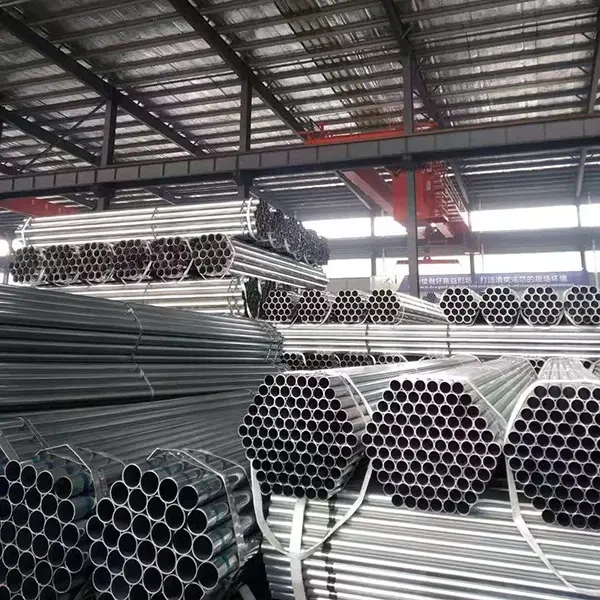
Galvanized carbon steel pipe is a widely utilized piping material across numerous industries including construction, water conveyance, oil and gas, and industrial processing. It consists of a carbon steel base pipe coated with a layer of zinc, providing corrosion resistance. This makes it a cost-effective alternative to more expensive alloy materials in environments where oxidation is a primary concern. Its position within the industrial chain is fundamental; it serves as a critical component for fluid and gas transmission systems, structural supports, and various mechanical applications. Core performance characteristics include its pressure-bearing capacity, resistance to corrosion based on zinc coating thickness, and its weldability (depending on the carbon content of the steel). Understanding these core attributes is crucial for effective material selection and long-term system reliability.
Material Science & Manufacturing
The fundamental material of galvanized carbon steel pipe is carbon steel, typically conforming to ASTM A53 Grade B or similar specifications. The carbon content generally ranges from 0.05% to 0.25%, influencing ductility and weldability. Raw materials undergo a steelmaking process (Basic Oxygen Furnace or Electric Arc Furnace) to achieve the desired chemical composition. The resulting steel is then formed into pipe via various methods, including seamless and welded processes. Seamless pipe is produced by piercing a solid billet of steel, offering higher pressure ratings but typically at a higher cost. Welded pipe, manufactured by rolling steel plates and subsequently welding the seam (Electric Resistance Welding - ERW or Submerged Arc Welding - SAW), provides a more economical option. Following pipe formation, surface preparation is critical for galvanizing. This involves pickling (acid cleaning to remove mill scale), fluxing (applying a chemical solution to promote zinc adhesion), and rinsing. The galvanizing process itself is most commonly hot-dip galvanizing, where the steel pipe is immersed in a molten zinc bath. The zinc metallurgically bonds with the steel, creating a protective barrier. Key process parameters include bath temperature (around 450°C), immersion time, and cooling rate. Variations like galvanizing line speed and zinc bath composition directly impact coating thickness and uniformity. Post-galvanizing, pipes undergo inspection for coating quality and dimensional accuracy.
Performance & Engineering
The performance of galvanized carbon steel pipe is dictated by a combination of the steel’s mechanical properties and the protective qualities of the zinc coating. Force analysis considers hoop stress (resulting from internal pressure) and longitudinal stress (due to external loads). Pipe wall thickness is a critical design parameter, calculated based on the maximum operating pressure and safety factors, conforming to ASME B31.1 or equivalent codes for power piping. Environmental resistance is primarily provided by the zinc coating, which acts as a sacrificial anode, corroding preferentially to the steel. The rate of zinc corrosion depends on environmental factors like humidity, salinity, and exposure to pollutants. The coating thickness, typically measured in grams per square meter (G/m²), directly correlates to the lifespan of the protection. Compliance requirements are stringent, often dictated by industry-specific regulations. For potable water systems, pipes must meet NSF/ANSI 61 standards to ensure they do not leach harmful contaminants. In oil and gas applications, API 5L governs material specifications and manufacturing processes. The presence of differential aeration cells (variations in oxygen concentration) and galvanic corrosion (when in contact with dissimilar metals) must be accounted for in system design to mitigate corrosion risks. The zinc coating's effectiveness diminishes over time, requiring periodic inspection and potentially recoating or replacement.
Technical Specifications
| Parameter | ASTM A53 Grade B (Typical) | ASTM A153 (Galvanizing) | Units |
|---|---|---|---|
| Yield Strength | 250 | N/A | MPa |
| Tensile Strength | 450 | N/A | MPa |
| Zinc Coating Weight | N/A | 85-380 | g/m² |
| Wall Thickness | Variable (Sch 40, Sch 80) | N/A | mm |
| Outside Diameter | 1/2” to 12” | N/A | inches |
| Corrosion Resistance (Salt Spray Test) | N/A | Up to 1200 hours (depending on coating weight) | hours |
Failure Mode & Maintenance
Galvanized carbon steel pipe can experience several failure modes in practical applications. Uniform corrosion, while slowed by the zinc coating, still occurs over extended periods, leading to wall thinning and eventual leaks. Pitting corrosion, caused by localized defects in the zinc coating or the presence of chlorides, can initiate rapid penetration. Crevice corrosion develops in shielded areas where oxygen access is limited. Hydrogen embrittlement can occur in high-strength steel exposed to hydrogen sulfide, leading to cracking. Fatigue cracking, induced by cyclical loading, is a concern in applications involving vibration or pressure fluctuations. Delamination of the zinc coating, caused by poor surface preparation or improper galvanizing procedures, diminishes corrosion protection. Maintenance strategies include regular visual inspections for signs of corrosion (rusting, blistering of the coating). Coatings can be repaired using zinc-rich paints or metallizing. Periodic non-destructive testing (NDT) methods, such as ultrasonic testing (UT) or radiographic testing (RT), can assess wall thickness and detect internal flaws. Cathodic protection (applying a sacrificial anode or impressed current) can further mitigate corrosion in critical applications. For severe corrosion, pipe replacement is necessary, adhering to proper welding procedures and ensuring compatibility with surrounding materials.
Industry FAQ
Q: What is the primary advantage of galvanizing over other corrosion protection methods like epoxy coating?
A: The primary advantage of galvanizing lies in its sacrificial protection. The zinc corrodes preferentially, even if the coating is scratched or damaged, continuing to protect the underlying steel. Epoxy coatings, while offering excellent initial corrosion resistance, rely on the integrity of the coating itself. Once breached, corrosion can begin at the exposed steel surface. Galvanizing also provides a more robust and durable coating, particularly in harsh environments.
Q: How does the carbon content in the steel affect the galvanizing process and the final product’s performance?
A: Higher carbon content in the steel can lead to the formation of brittle iron-zinc alloys during galvanizing, potentially reducing coating ductility and increasing susceptibility to cracking. Lower carbon steels generally result in a more adherent and ductile coating. The steel grade must be carefully selected to ensure compatibility with the galvanizing process and the intended application.
Q: What is the impact of weld seams on the corrosion resistance of galvanized welded pipe?
A: Weld seams can be areas of reduced corrosion resistance due to variations in the metallurgical structure and potential for imperfections. Proper welding procedures, including thorough cleaning and surface preparation, are crucial. Galvanizing must fully cover the weld seam to provide adequate protection. Post-weld heat treatment may be required to normalize the weld zone and improve coating adhesion.
Q: What are the limitations of galvanized carbon steel pipe in highly acidic or alkaline environments?
A: While galvanizing provides good corrosion resistance in many environments, it is less effective in highly acidic or alkaline conditions. Strong acids can rapidly dissolve the zinc coating, while highly alkaline environments can lead to the formation of zincates, which can accelerate corrosion. In such environments, alternative materials like stainless steel or specialized alloy piping are recommended.
Q: How often should galvanized steel piping systems be inspected, and what are the key inspection criteria?
A: The inspection frequency depends on the severity of the operating environment. A visual inspection should be conducted annually, looking for signs of rust, blistering, or coating damage. More detailed inspections, including UT or RT, should be performed every 5-10 years. Key criteria include wall thickness measurements, detection of pitting or cracking, and assessment of coating adhesion.
Conclusion
Galvanized carbon steel pipe remains a prevalent and cost-effective solution for a diverse range of fluid and gas transmission applications. Its performance is directly linked to the interplay between the properties of the carbon steel base material and the protective characteristics of the zinc coating. Understanding the manufacturing processes, potential failure modes, and relevant industry standards is paramount for ensuring long-term system integrity and minimizing lifecycle costs.
Future advancements in galvanizing technologies, such as improved zinc alloys and coating application techniques, promise to further enhance corrosion resistance and extend the service life of galvanized steel piping. Continued research into innovative inspection methods and maintenance strategies will also play a crucial role in optimizing the performance and reliability of these essential infrastructure components.
