
Introduction
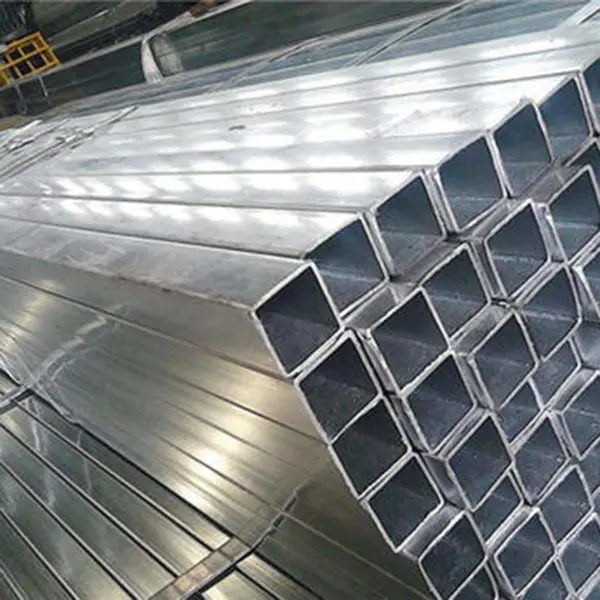
Galvanized corrugated metal pipe (GCMP) represents a prevalent solution for subsurface drainage, culverts, and protective casing in various civil engineering and agricultural applications. Positioned within the broader industry of stormwater management and infrastructure, GCMP provides a cost-effective and durable alternative to traditional materials like concrete and high-density polyethylene (HDPE). Its core performance characteristics—structural integrity under load, corrosion resistance, and hydraulic capacity—dictate its suitability across a diverse spectrum of project requirements. A critical pain point within the industry is balancing initial cost with long-term durability, particularly in aggressive soil environments. GCMP addresses this through its galvanized coating, however, understanding the nuances of galvanization processes and material selection is crucial for optimal service life. This guide details the material science, manufacturing processes, performance parameters, failure modes, and maintenance protocols associated with GCMP, aiming to provide a comprehensive technical resource for engineers, procurement specialists, and maintenance personnel.
Material Science & Manufacturing
GCMP is typically manufactured from steel sheets, primarily utilizing low-carbon steel grades such as ASTM A653/A653M. The steel substrate’s mechanical properties (yield strength, tensile strength, elongation) are paramount, influencing the pipe’s ability to withstand external loads. The galvanization process, commonly employing hot-dip galvanizing (ASTM A123), is crucial for corrosion protection. This involves immersing the corrugated steel in molten zinc, forming a metallurgical bond. The zinc coating acts as a barrier against corrosive elements in the soil, providing sacrificial protection—the zinc corrodes preferentially, protecting the underlying steel. Manufacturing begins with slitting steel coils to the required width. These sheets are then passed through a roll-forming machine, creating the corrugated profile. The corrugation pattern—varying in height, pitch, and profile shape—significantly impacts the pipe’s structural strength and stiffness. Longitudinal seam welding (typically using electric resistance welding – ERW) joins the edges of the corrugated sheets to form the pipe. Quality control focuses on weld integrity, coating thickness, and dimensional accuracy. Critical parameters include zinc coating weight (typically ranging from G60 to G90, corresponding to zinc coating weights in oz/ft²), steel gauge (thickness), and corrugation profile. Variations in steel composition can affect galvanization adhesion. For example, silicon content influences the zinc-iron alloy layer formation, impacting corrosion resistance.
Performance & Engineering
The performance of GCMP is governed by its ability to withstand external loads (soil overburden, traffic loads) and maintain hydraulic capacity. Structural analysis, often utilizing finite element analysis (FEA), is employed to determine the pipe’s load-carrying capacity, factoring in soil properties, pipe geometry, and installation conditions. The AASHTO M36 (American Association of State Highway and Transportation Officials) standard specifies load resistance requirements for corrugated metal pipes used in highway applications. GCMP's performance is significantly affected by the surrounding soil environment. Corrosive soils—high in chlorides, sulfates, or organic matter—can accelerate zinc consumption and lead to steel corrosion. Proper bedding and backfill procedures are critical to minimize stress concentrations and ensure uniform load distribution. Hydraulic performance is determined by the pipe’s internal diameter, corrugation profile, and flow velocity. Manning's equation is commonly used to calculate hydraulic capacity. The long-term creep behavior of the galvanized coating is another important consideration, particularly under sustained stress. Environmental resistance is also assessed through accelerated corrosion testing (ASTM B117 salt spray test) and cyclic loading tests. Compliance with local regulations regarding stormwater management and environmental protection is also vital.
Technical Specifications
| Parameter | Unit | Typical Value (12" Diameter, 16 Gauge) | Test Standard |
|---|---|---|---|
| Diameter | inch | 12 | ASTM D468 |
| Gauge (Steel Thickness) | inch | 0.065 | ASTM A653/A653M |
| Zinc Coating Weight | oz/ft² | G90 (0.90) | ASTM A123 |
| Minimum Section Modulus | in³ | 1.6 | AASHTO M36 |
| Crush Strength (15% Deflection) | psi | 1200 | AASHTO M36 |
| Tensile Strength (Steel) | psi | 50,000 | ASTM A653/A653M |
Failure Mode & Maintenance
Common failure modes in GCMP include corrosion, fatigue cracking, and deformation. Corrosion, primarily at the steel-zinc interface or due to localized coating defects, is the most prevalent failure mechanism. Soil acidity, chloride content, and the presence of stray electrical currents accelerate corrosion. Fatigue cracking can occur under cyclical loading (e.g., traffic loads) at weld seams or areas of stress concentration. Deformation—buckling or flattening—can result from excessive external loads or inadequate bedding support. Failure analysis involves visual inspection, non-destructive testing (NDT) such as ultrasonic testing (UT) to assess coating integrity and wall thickness, and metallurgical analysis to determine the root cause of corrosion or cracking. Maintenance strategies include regular inspections to identify signs of corrosion or damage, cleaning to remove debris that can trap moisture, and re-galvanization of localized areas if coating degradation is detected. Cathodic protection, using sacrificial anodes, can be employed in highly corrosive environments to mitigate corrosion. Prompt repair of any damage is crucial to prevent propagation of failures. Proper installation, including adequate bedding and backfill compaction, is the most effective preventative maintenance measure.
Industry FAQ
Q: What is the impact of soil pH on the lifespan of GCMP?
A: Soil pH significantly impacts GCMP lifespan. Acidic soils (pH < 6.0) accelerate zinc corrosion rates. Alkaline soils (pH > 8.5) can also contribute to corrosion, although typically at a slower rate. Soils with a neutral pH (6.5-7.5) generally provide the most favorable environment for long-term GCMP performance. Consideration should be given to soil pH testing and potentially utilizing thicker zinc coatings or supplemental corrosion protection measures in acidic soils.
Q: How does the corrugation profile affect the structural strength of GCMP?
A: The corrugation profile directly influences the pipe’s structural strength and stiffness. Higher corrugation profiles generally provide greater structural capacity but may reduce hydraulic efficiency. The pitch (distance between corrugations) and shape of the corrugations also play a role. Multi-ring profiles are often used to optimize both strength and hydraulic performance.
Q: What is the difference between G60 and G90 galvanization?
A: G60 and G90 refer to the weight of the zinc coating applied to the steel, expressed in ounces per square foot. G90 represents a heavier zinc coating (0.90 oz/ft²) than G60 (0.60 oz/ft²). A heavier coating provides enhanced corrosion protection, extending the service life of the pipe, particularly in aggressive soil environments, but increases material cost.
Q: Can GCMP be used in applications with significant traffic loading?
A: Yes, GCMP can be used under significant traffic loading, provided it is designed and installed according to AASHTO M36 specifications. This includes selecting the appropriate gauge, corrugation profile, and burial depth to withstand the anticipated loads. Proper bedding and backfill are also critical to distribute the load effectively.
Q: What are the common causes of weld failure in GCMP?
A: Common causes of weld failure include inadequate weld penetration, porosity, and stress corrosion cracking. These can be attributed to improper welding parameters, poor weld preparation, or the presence of corrosive elements in the welding environment. Regular NDT, such as visual inspection and UT, can detect weld defects before they lead to failure.
Conclusion
Galvanized corrugated metal pipe remains a viable and cost-effective solution for various drainage and infrastructure applications. Its performance relies heavily on a complex interplay between material science – the steel substrate and zinc coating – manufacturing quality control, and proper installation practices. Understanding the potential failure modes, primarily corrosion and fatigue, is paramount for ensuring long-term durability and minimizing life-cycle costs. Careful consideration of soil conditions, loading requirements, and adherence to relevant industry standards are essential for successful GCMP implementation.
Moving forward, advancements in coating technologies, such as the application of polymeric coatings over galvanized surfaces, and the development of high-strength steel alloys offer opportunities to further enhance the performance and longevity of GCMP. Continued research into corrosion mechanisms and improved NDT techniques will also play a vital role in optimizing the maintenance and repair of existing GCMP infrastructure.
