
Introduction
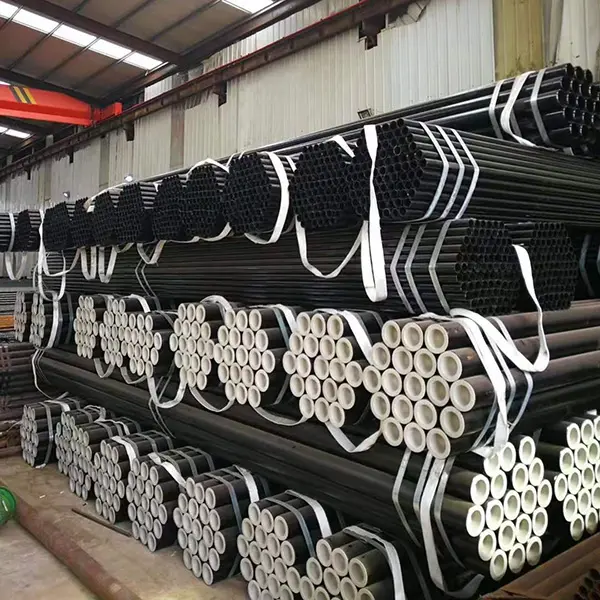
Galvanized GI (Galvanized Iron) pipe, comprising carbon steel with a protective zinc coating, is a fundamental component in fluid and gas conveyance systems across numerous industries. Positioned strategically within the construction, plumbing, and industrial piping supply chains, it serves as a cost-effective alternative to more corrosion-resistant materials like stainless steel or plastic. Its core performance characteristics – strength, durability, and resistance to corrosion – dictate its suitability for applications ranging from potable water distribution to fire suppression systems and structural supports. A key industry pain point revolves around balancing cost-effectiveness with long-term corrosion protection, particularly in aggressive environments. Furthermore, the increasing demand for sustainable materials is driving scrutiny of the galvanization process and its environmental impact.
Material Science & Manufacturing
The substrate material for GI pipe is typically carbon steel, commonly ASTM A53 Grade B. This steel consists primarily of iron with varying percentages of carbon (typically less than 0.3%) and small additions of manganese, silicon, and phosphorus to enhance properties like weldability and ductility. The zinc coating, applied via hot-dip galvanization, is the primary barrier against corrosion. This process involves immersing the steel pipe in a bath of molten zinc, resulting in a metallurgical bond between the zinc and the steel. The resulting coating consists of layers: a Gamma (FeZn5) layer closest to the steel, a Delta (FeZn10) layer, Zeta (FeZn13) and finally an outer layer of pure Zinc. The thickness of the zinc coating is critical and governed by standards like ASTM A123. Manufacturing begins with the production of seamless or welded steel pipes. Welded pipes, using Electric Resistance Welding (ERW), require stringent quality control to ensure weld integrity. Following pipe formation, pickling removes mill scale, preparing the surface for galvanization. Precise control of bath temperature (around 450°C) and immersion time are vital for achieving uniform coating thickness and adherence. Post-galvanization, pipes undergo quality inspection, including coating thickness measurement, visual inspection for defects, and hydrostatic testing to verify structural integrity. Variations in steel composition, bath chemistry, and cooling rates directly impact the final coating morphology and corrosion resistance.
Performance & Engineering
The performance of GI pipe is fundamentally linked to its mechanical strength and corrosion resistance. Yield strength, typically around 250 MPa for common grades, dictates the pipe’s ability to withstand internal pressure and external loads. Tensile strength (around 450 MPa) provides a measure of its resistance to fracture. A critical engineering consideration is the assessment of hoop stress in the pipe wall due to internal pressure, calculated using the Barlow's formula (σ = PD/2t, where P is pressure, D is diameter, and t is wall thickness). Corrosion resistance relies heavily on the sacrificial protection provided by the zinc coating; zinc corrodes preferentially, protecting the underlying steel. However, this protection is finite, and the rate of zinc consumption depends on environmental factors like pH, humidity, and the presence of chlorides. Electrochemical principles govern the corrosion process. Galvanic corrosion can occur when GI pipe is connected to dissimilar metals in a conductive environment. Adherence to industry standards like ANSI/ASME B31.1 (Power Piping) and ANSI/ASME B31.9 (Building Services Piping) is crucial for ensuring safe and reliable system operation. These standards dictate design factors, material selection, and inspection requirements. Furthermore, environmental resistance must consider temperature fluctuations, which cause thermal expansion and contraction, potentially inducing stress at joints.
Technical Specifications
| Parameter | ASTM A53 Grade B (Typical) | ASTM A123 (Galvanizing) | Unit |
|---|---|---|---|
| Outside Diameter | 1/2" to 12" | Nominal Size | inches |
| Wall Thickness | Schedule 40, 80 | - | inches |
| Yield Strength | 250 | - | MPa |
| Tensile Strength | 450 | - | MPa |
| Zinc Coating Thickness | - | 0.55 oz/ft² (minimum) | oz/ft² |
| Maximum Chloride Content (Galvanizing) | - | 0.025% | % |
Failure Mode & Maintenance
GI pipe is susceptible to several failure modes. Uniform corrosion, the gradual consumption of the zinc coating, is the most common. However, localized corrosion, such as pitting corrosion (initiated by chloride ions) and crevice corrosion (occurring in shielded areas), can accelerate deterioration. White rust (zinc corrosion product) forms in humid environments and indicates early-stage coating degradation. Mechanical damage, including denting, scratching, and thread damage during installation, can compromise the coating and expose the underlying steel. Hydrogen embrittlement, though less frequent, can occur during the pickling process, weakening the steel. Fatigue cracking can develop under cyclic loading conditions. Maintenance strategies include regular visual inspection for signs of corrosion or damage, particularly at joints and supports. Protective coatings (paints, epoxies) can be applied to extend the lifespan of the galvanized coating. For pipelines in aggressive environments, cathodic protection (using sacrificial anodes or impressed current systems) can mitigate corrosion. Damaged coatings should be repaired promptly using zinc-rich paints or re-galvanization techniques. Proper storage of GI pipe is also critical; it should be stored in a dry, well-ventilated area to prevent white rust formation. Periodic hydrostatic testing confirms the pipe's structural integrity.
Industry FAQ
Q: What is the typical lifespan of galvanized GI pipe in a potable water distribution system?
A: The lifespan varies significantly based on water quality (pH, chloride content), soil conditions (if buried), and maintenance practices. Typically, a well-maintained GI pipe system can last 40-70 years in potable water service. However, aggressive water can significantly reduce this lifespan, potentially requiring replacement within 20-30 years. Regular water quality testing and corrosion monitoring are essential.
Q: How does the galvanization process impact the ductility of the steel pipe?
A: The hot-dip galvanization process can slightly reduce the ductility of the steel, particularly in high-strength steels. This is due to the formation of brittle iron-zinc intermetallic layers at the steel-zinc interface. However, this reduction is usually minimal and does not significantly affect the pipe’s overall structural performance. The ASTM A123 standard controls the parameters to minimize this effect.
Q: What are the alternatives to galvanized GI pipe, and what are their comparative advantages and disadvantages?
A: Alternatives include stainless steel, copper, CPVC, and HDPE. Stainless steel offers superior corrosion resistance but is significantly more expensive. Copper is also corrosion-resistant but is susceptible to theft and can leach into potable water. CPVC and HDPE are plastic materials offering excellent corrosion resistance and lower cost, but they have lower strength and temperature limitations. The choice depends on the specific application requirements and budget.
Q: How can I identify signs of localized corrosion, like pitting, on a galvanized GI pipe?
A: Visual inspection is the first step. Look for small, localized areas of rust or discoloration on the galvanized surface. Pitting corrosion manifests as small holes or pits. White rust indicates early-stage corrosion. More sophisticated techniques, such as electrochemical impedance spectroscopy (EIS), can detect corrosion before it becomes visually apparent. A chloride test of the surrounding environment can help assess the risk of pitting.
Q: What are the environmental concerns associated with the galvanization process?
A: The galvanization process generates wastewater containing zinc, iron, and other heavy metals, requiring careful treatment before discharge. Air emissions, including zinc oxide fumes, are also a concern. Modern galvanizing facilities employ advanced pollution control technologies, such as scrubbers and wastewater treatment systems, to minimize their environmental impact. The use of lead in some galvanizing alloys is also being phased out due to its toxicity.
Conclusion
Galvanized GI pipe remains a vital material in numerous industrial and infrastructural applications due to its balance of cost, strength, and corrosion resistance. Understanding the underlying material science – the interplay between the steel substrate and the zinc coating – is crucial for ensuring long-term performance. Proper manufacturing processes, adherence to relevant industry standards, and diligent maintenance practices are paramount to mitigating corrosion and maximizing the service life of these systems.
The future of GI pipe will likely involve advancements in coating technologies, such as the development of more corrosion-resistant zinc alloys and the application of nano-coatings to enhance barrier properties. Furthermore, ongoing research into sustainable galvanizing processes will be critical for reducing the environmental impact of this widely used material. Continuous monitoring and proactive maintenance will remain essential strategies for extending the lifespan of existing GI pipe infrastructure.
