
Introduction
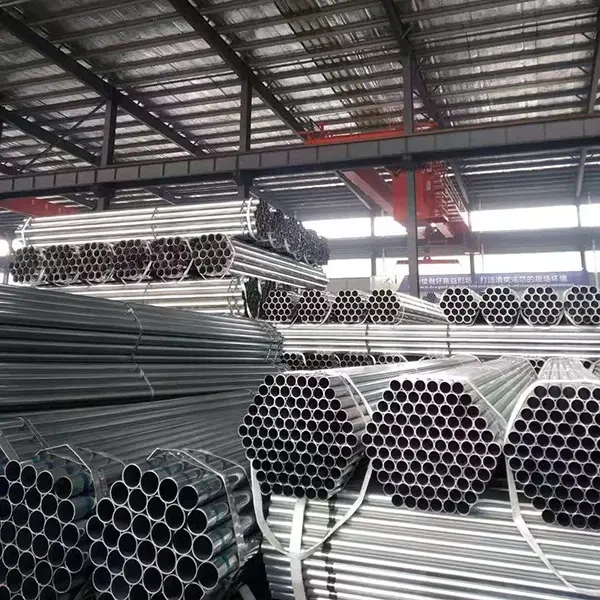
Galvanized half pipe, a prefabricated, semi-cylindrical structure, represents a critical component in various industrial applications, particularly in conveyance systems for bulk materials, drainage infrastructure, and protective housing for cabling and utilities. Its primary function is to provide a robust, corrosion-resistant channel for the efficient and safe transfer or containment of materials. Positioned within the broader metal fabrication and infrastructure sectors, galvanized half pipe competes with alternatives like polyethylene (HDPE) pipe, concrete troughs, and fiberglass reinforced polymer (FRP) structures. Its key performance characteristics—structural integrity under load, long-term corrosion resistance, ease of installation, and cost-effectiveness—determine its suitability for specific applications. The inherent pain points for end-users include ensuring consistent galvanization quality, minimizing potential weld defects during fabrication, and accurately assessing the long-term service life in aggressive environmental conditions. This guide provides an in-depth technical analysis of galvanized half pipe, covering material science, manufacturing processes, performance engineering, failure modes, and relevant industry standards.
Material Science & Manufacturing
The core material for galvanized half pipe is typically carbon steel, most commonly ASTM A53 Grade B or equivalent, chosen for its weldability, formability, and cost. The steel’s chemical composition, defined by specifications like manganese, silicon, phosphorus, and sulfur content, directly influences its mechanical properties. The galvanization process, a form of corrosion protection, involves immersing the steel in a molten zinc bath, creating a metallurgical bond. This results in a series of zinc-iron alloy layers topped with a pure zinc layer. The thickness of the zinc coating, crucial for longevity, is dictated by standards such as ASTM A123. Manufacturing typically begins with steel coil or sheet, which is then formed into a semi-circular shape via cold-rolling or pressing. Longitudinal seam welding, commonly using the submerged arc welding (SAW) process, joins the edges. Precise control of welding parameters – current, voltage, travel speed, and shielding gas composition – is critical to prevent porosity, incomplete fusion, and cracking. Post-welding, the pipe undergoes non-destructive testing (NDT), including radiographic inspection (RT) and ultrasonic testing (UT), to verify weld integrity. Galvanization follows, requiring meticulous surface preparation – pickling to remove mill scale and fluxes to promote zinc adhesion. Maintaining consistent bath temperature (typically 450-460°C) and zinc purity are paramount. Cooling rates after galvanization influence the microstructure and potentially impact the coating's ductility and adherence.

Performance & Engineering
The performance of galvanized half pipe is governed by its ability to withstand both static and dynamic loads, resist environmental degradation, and maintain structural integrity over its intended service life. Force analysis considers factors like the weight of conveyed materials, external loads from surrounding structures, and stresses induced by temperature fluctuations. The pipe's cross-sectional geometry dictates its bending moment capacity and resistance to buckling. For applications involving fluid flow or granular material transport, hydraulic or pneumatic simulations may be necessary to optimize flow rates and prevent erosion. Environmental resistance is largely determined by the effectiveness of the galvanized coating. Corrosion mechanisms include atmospheric corrosion (due to humidity, pollutants), galvanic corrosion (if in contact with dissimilar metals), and erosion-corrosion (from abrasive materials). The long-term corrosion rate is influenced by factors like zinc coating thickness, environmental pH, and chloride concentration. Compliance requirements vary depending on the application and geographic location, often referencing standards like ANSI/ASME B31.3 (Process Piping) or local building codes. Finite Element Analysis (FEA) is frequently employed to model stress distributions under complex loading scenarios, validating design assumptions and optimizing material selection. Proper support spacing and connection details are critical to prevent localized stress concentrations and ensure structural stability.
Technical Specifications
| Diameter (inches) | Wall Thickness (mm) | Zinc Coating Thickness (μm) | Yield Strength (MPa) |
|---|---|---|---|
| 12 | 3.6 | 85 | 250 |
| 18 | 4.5 | 100 | 275 |
| 24 | 5.1 | 120 | 300 |
| 30 | 6.4 | 150 | 325 |
| 36 | 7.1 | 170 | 350 |
| 48 | 8.0 | 200 | 375 |
Failure Mode & Maintenance
Galvanized half pipe, despite its corrosion resistance, is susceptible to several failure modes. Corrosion is the most prevalent, manifesting as localized pitting, uniform thinning, or galvanic corrosion at connection points. Fatigue cracking can occur under cyclic loading, particularly around weld seams or areas of stress concentration. Mechanical damage, such as dents or punctures, can compromise structural integrity. Hydrogen embrittlement, though less common, can occur during the galvanization process if excessive hydrogen is absorbed into the steel. Delamination of the zinc coating can reduce corrosion protection, often accelerated by improper surface preparation or contamination. Maintenance strategies include regular visual inspections to detect signs of corrosion, dents, or cracks. Periodic coating thickness measurements can assess remaining corrosion protection. For minor corrosion, localized repairs using zinc-rich paints or thermal spray coatings can extend service life. Weld seams should be inspected periodically using NDT methods. Proper drainage and ventilation are essential to minimize exposure to corrosive environments. For heavily corroded sections, replacement is often the most cost-effective solution. Regular cleaning to remove accumulated debris prevents accelerated corrosion and maintains structural integrity. Preventive maintenance schedules should be established based on the severity of the operating environment and the criticality of the application.
Industry FAQ
Q: What is the typical service life expectancy of a galvanized half pipe in a coastal environment?
A: In a severe coastal environment with high salinity and humidity, the service life of a galvanized half pipe can range from 15 to 25 years, depending on the zinc coating thickness and maintenance practices. Regular inspections and application of protective coatings can extend this lifespan. Chloride-induced corrosion is the primary degradation mechanism in these environments.
Q: What are the key considerations when welding galvanized half pipe?
A: Welding galvanized steel requires specific precautions. The zinc coating releases fumes during welding that are hazardous to health, necessitating adequate ventilation and respiratory protection. Pre-heating the steel can help reduce hydrogen absorption and prevent cracking. Post-weld cleaning to remove slag and inspection for defects are crucial.
Q: How does the manufacturing process impact the corrosion resistance of galvanized half pipe?
A: The surface preparation prior to galvanization is critical. Incomplete removal of mill scale or contaminants can hinder zinc adhesion and create localized corrosion sites. Maintaining a consistent galvanization bath temperature and zinc purity is also essential for achieving a uniform and durable coating. Controlling cooling rates influences the coating's microstructure.
Q: What is the difference between hot-dip galvanizing and electrogalvanizing? Which is preferred for half pipe?
A: Hot-dip galvanizing provides a thicker, more robust zinc coating with better metallurgical bonding to the steel, offering superior long-term corrosion protection. Electrogalvanizing produces a thinner, more uniform coating. For half pipe applications requiring high durability, hot-dip galvanizing is generally preferred due to its enhanced corrosion resistance.
Q: Can galvanized half pipe be used in applications involving acidic or alkaline solutions?
A: Galvanized steel exhibits limited resistance to strong acids and bases. Exposure to low pH solutions can accelerate zinc dissolution, while highly alkaline environments can lead to zincate formation and coating degradation. Compatibility should be carefully assessed based on the specific chemical composition and concentration of the solution.
Conclusion
Galvanized half pipe remains a prevalent and cost-effective solution for numerous industrial conveyance and protection applications. Its robust construction, coupled with the inherent corrosion resistance of the galvanized coating, ensures a long service life, particularly when deployed in moderately corrosive environments. However, understanding the potential failure modes – corrosion, fatigue, and mechanical damage – and implementing proactive maintenance strategies are crucial for maximizing its performance and minimizing lifecycle costs.
Looking forward, advancements in galvanization techniques, such as zinc-nickel alloy coatings, may further enhance corrosion resistance and extend service life. The integration of sensor technologies for real-time monitoring of coating thickness and corrosion rates could enable predictive maintenance and optimize asset management. Continued research into weld metallurgy and non-destructive testing methods will further improve the reliability and structural integrity of galvanized half pipe systems.
