
Introduction
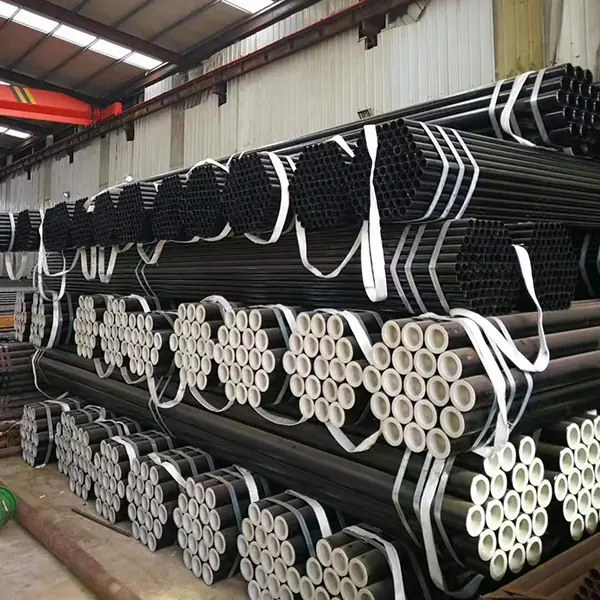
Galvanized hollow pipe, commonly referred to as galvanized steel tubing, represents a crucial component in diverse industrial applications, spanning construction, infrastructure, and manufacturing. This product consists of hollow steel sections coated with a layer of zinc through a galvanization process. This zinc coating serves as a primary defense mechanism against corrosion, significantly extending the service life of the steel substrate. Its technical position within the industry chain lies between raw steel production (typically carbon steel) and downstream fabrication for structural elements, fluid conveyance systems, scaffolding, and various other engineered components. Core performance characteristics include high tensile strength, weldability (dependent on steel grade), dimensional accuracy, and, critically, corrosion resistance. The industry faces pain points related to inconsistent zinc coating quality leading to localized corrosion, maintaining dimensional tolerances during fabrication, and adherence to increasingly stringent environmental regulations regarding zinc emissions during the galvanization process.
Material Science & Manufacturing
The primary raw material is typically carbon steel, conforming to specifications such as ASTM A53 Grade B or equivalent EN 10255 standards. The steel's composition dictates its inherent strength, ductility, and weldability. Common steel grades used include Q195, Q235, and higher grades like Q345 offering increased yield strength. Manufacturing begins with steel billet production, followed by seamless or welded tube formation. Seamless tubes are produced via piercing and drawing processes, offering superior pressure resistance. Welded tubes are formed by rolling steel strips and subsequently welding the seam using Electric Resistance Welding (ERW) or High-Frequency Induction Welding (HFIW). Post-tube formation, critical parameters include heat treatment for stress relief and dimensional correction. The galvanization process, most commonly hot-dip galvanizing, involves immersing the steel tubing in a molten zinc bath (typically 98% pure zinc) at temperatures around 450°C. This forms a metallurgical bond between the zinc and the steel, creating a layered protective coating consisting of zinc-iron alloy layers and an outer layer of pure zinc. Critical parameter control during galvanization includes bath temperature, steel surface preparation (pickling to remove scale and rust), immersion time, and cooling rate. The thickness of the zinc coating is a key performance indicator, typically measured in microns and dictated by industry standards based on anticipated corrosion exposure.
Performance & Engineering
The performance of galvanized hollow pipe is governed by several engineering principles. Structural applications require accurate calculation of bending moments, shear stresses, and buckling resistance, adhering to codes such as AISC (American Institute of Steel Construction) or Eurocode 3. Force analysis must account for the load distribution and the pipe's cross-sectional properties (moment of inertia, section modulus). Environmental resistance is primarily dictated by the zinc coating's effectiveness in providing barrier protection and cathodic protection. In marine environments or areas with high chloride exposure, accelerated corrosion can occur, necessitating thicker zinc coatings or supplementary protective measures like epoxy coatings. Compliance requirements vary depending on the application and geographical location. For pressure applications (fluid conveyance), the pipe must meet pressure ratings specified by standards such as ASME B31.3 (Process Piping) or API 5L (Line Pipe). Furthermore, galvanized pipe used for potable water systems must comply with NSF/ANSI 61 standards to ensure the water remains free from lead and other harmful contaminants. Functional implementation details involve proper jointing techniques such as threaded connections, welding, or flanging, ensuring leak-proof and structurally sound assemblies. Weldability is affected by the steel grade; low-carbon steels generally exhibit better weldability than higher-carbon alloys.
Technical Specifications
| Parameter | Unit | ASTM A53 Grade B | EN 10255 S235JR |
|---|---|---|---|
| Yield Strength | MPa | 250 | 235 |
| Tensile Strength | MPa | 450 | 360 |
| Zinc Coating Thickness (Standard) | µm | 85 | 70 |
| Wall Thickness | mm | 1.2 – 6.35 | 1.0 – 8.0 |
| Outer Diameter | mm | 10.2 – 219.1 | 10.2 – 660.4 |
| Elongation | % | 23 | 20 |
Failure Mode & Maintenance
Galvanized hollow pipe is susceptible to several failure modes. Corrosion, despite the zinc coating, remains a primary concern. Localized corrosion can occur due to imperfections in the zinc coating (scratches, holidays), differential aeration cells, or exposure to aggressive chemicals. Crevice corrosion can initiate in gaps between pipe sections or under fasteners. Red rust formation indicates depletion of the zinc sacrificial layer and subsequent steel corrosion. Mechanical failure can arise from fatigue cracking due to cyclic loading, particularly at weld joints or connection points. Overloading beyond the pipe's structural capacity can lead to yielding or buckling. Delamination of the zinc coating, caused by poor surface preparation prior to galvanization, weakens the protective barrier. Maintenance solutions include regular visual inspections for corrosion signs, application of protective coatings (epoxy, polyurethane) to supplement the zinc coating, and proper cleaning to remove dirt and debris. Damaged zinc coatings should be repaired using zinc-rich paints or re-galvanization. For pressure systems, periodic hydrostatic testing should be conducted to verify structural integrity. Proper storage of galvanized pipe is crucial; it should be stored in a dry environment to prevent white rust (zinc corrosion product) formation.
Industry FAQ
Q: What is the primary difference between hot-dip galvanizing and electrogalvanizing in terms of corrosion protection?
A: Hot-dip galvanizing provides a significantly thicker and more durable zinc coating, offering superior corrosion protection, especially in harsh environments. The metallurgical bond formed during hot-dip galvanizing is also stronger, minimizing coating adhesion issues. Electrogalvanizing produces a thinner coating with a less robust bond, making it suitable for less demanding applications.
Q: How does the carbon content of the steel substrate affect the galvanization process and the resulting coating quality?
A: Higher carbon content in the steel can lead to increased reactivity with the molten zinc, potentially resulting in a thicker, more brittle zinc-iron alloy layer. This can affect the coating's ductility and impact resistance. Lower carbon steels generally galvanize more smoothly and produce a more consistent coating.
Q: What are the limitations of using galvanized hollow pipe in highly acidic or alkaline environments?
A: While galvanized steel offers good corrosion resistance, it's susceptible to attack by strong acids and alkalis. Acids can dissolve the zinc coating, while alkalis can form zincates, which can accelerate corrosion. In such environments, alternative materials like stainless steel or specialized coatings are recommended.
Q: What are the key considerations when welding galvanized hollow pipe?
A: Welding galvanized steel requires careful preparation. The zinc coating emits fumes during welding that are hazardous to inhale, necessitating adequate ventilation. The zinc also reduces weldability, potentially leading to porosity. Removing the zinc coating in the weld area prior to welding is generally recommended, and using appropriate welding techniques and filler metals is crucial.
Q: How do different standards (ASTM, EN, GB) compare in terms of defining the requirements for galvanized hollow pipe?
A: ASTM standards (primarily A53 and A500) focus on material properties and mechanical performance, with specific requirements for zinc coating thickness. EN standards (e.g., EN 10255) provide a more comprehensive framework, covering chemical composition, manufacturing processes, and dimensional tolerances. GB standards (Chinese national standards) often have slightly different specifications regarding steel grades and coating requirements. It's critical to specify the relevant standard based on the application and geographical region.
Conclusion
Galvanized hollow pipe remains a widely utilized structural and fluid conveyance material due to its combination of strength, weldability, and, crucially, corrosion resistance offered by the zinc coating. However, the longevity and reliability of this product are heavily dependent on a rigorous understanding of the underlying material science, manufacturing processes, and potential failure modes. Optimizing the galvanization process, implementing appropriate surface preparation techniques, and adhering to relevant industry standards are paramount to achieving consistent, high-quality products.
Future developments are focusing on enhancing the durability of zinc coatings through alloy additions (e.g., aluminum-zinc alloys) and exploring environmentally friendly galvanization alternatives. Advancements in non-destructive testing methods will allow for more accurate assessment of coating quality and prediction of service life. Continued research into corrosion mechanisms and mitigation strategies will further improve the performance and sustainability of galvanized hollow pipe in diverse industrial applications.
