

Introduction
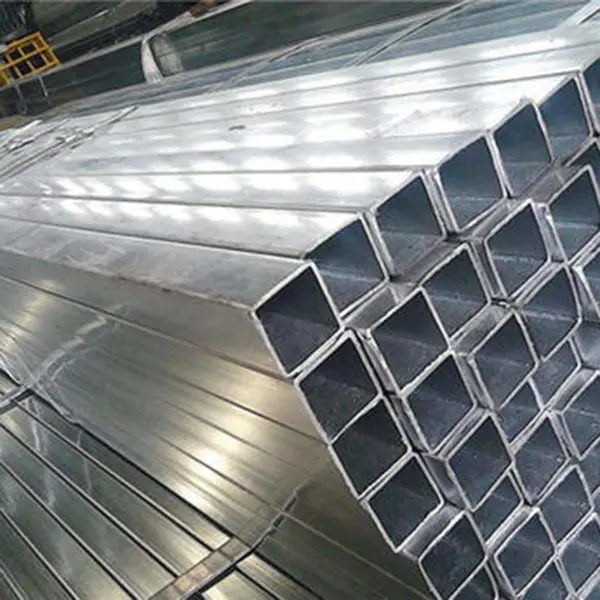
Galvanized iron pipe is a carbon steel pipe coated with a layer of zinc through a process called galvanization. This protective coating serves as a barrier against corrosion, significantly extending the lifespan of the pipe in various applications. Technically positioned within the fluid conveyance infrastructure, galvanized iron pipe historically represented a primary material for potable water systems, gas lines, and structural piping. While increasingly replaced by materials like PVC, PEX, and stainless steel in certain sectors due to cost and weight considerations, galvanized iron pipe continues to find niche applications demanding robust mechanical strength, high-temperature resistance, and a degree of corrosion protection, particularly in industrial settings and for threaded connections. Its core performance characteristics center around pressure containment, durability in harsh environments, and compatibility with standard plumbing fittings. The primary pain points in industry revolve around its susceptibility to corrosion over extended periods, particularly in acidic or saline environments, leading to reduced flow rates due to internal scale buildup, and the challenges associated with long-term maintenance and repair.
Material Science & Manufacturing
The base material for galvanized iron pipe is typically carbon steel, specifically grades like A53 Grade B or A106 Grade B, characterized by their tensile strength (typically 70,000 PSI or 483 MPa), yield strength (around 36,000 PSI or 248 MPa), and elongation properties. The manufacturing process begins with seamless or welded steel tube production. Seamless pipes are created through the Mannesmann process or similar methods, ensuring a uniform wall thickness and higher pressure resistance. Welded pipes are produced by rolling steel sheets and welding the seam, followed by heat treatment to ensure structural integrity. The galvanization process, most commonly hot-dip galvanizing, involves immersing the steel pipe in a molten zinc bath (typically 98% pure zinc) at temperatures around 840°F (450°C). This creates a metallurgical bond between the zinc and the steel, forming a series of zinc-iron alloy layers. Key parameters during galvanization include bath temperature, immersion time (controlled to achieve desired coating thickness), and the steel's surface preparation. Surface preparation is critical, involving pickling in acidic solutions (hydrochloric or sulfuric acid) to remove mill scale and rust, followed by a flux treatment to enhance zinc adhesion. Coating thickness, typically ranging from 0.002 to 0.006 inches (50 to 150 micrometers), is dictated by ASTM A153. Electrogalvanizing, an alternative process, uses an electrolytic cell to deposit zinc onto the steel, resulting in a thinner and more uniform coating, generally used for decorative applications or where precise coating control is required. Post-galvanization, pipes undergo threading, inspection, and testing, including hydrostatic testing to verify pressure integrity.
Performance & Engineering
The performance of galvanized iron pipe is governed by several engineering principles. Force analysis involves considering internal pressure, external loads (weight of the pipe and contained fluid), and stresses induced by thermal expansion and contraction. The hoop stress (circumferential stress) is a critical factor in pressure containment, calculated using the Barlow’s formula (σ = PD/2t, where σ is hoop stress, P is internal pressure, D is outer diameter, and t is wall thickness). Environmental resistance is primarily determined by the zinc coating’s ability to provide sacrificial protection. The zinc corrodes preferentially, protecting the underlying steel. However, this protection is diminished in highly acidic or alkaline environments. The rate of corrosion is also affected by the presence of chlorides (salts) which can penetrate the zinc layer. Compliance requirements are stringent, particularly for potable water applications. Galvanized iron pipes must meet NSF/ANSI 61 standards for lead content and extractable contaminants. For gas lines, compliance with ANSI/NACE MR0175/ISO 15156 standards is crucial to prevent sulfide stress cracking. The functional implementation often relies on threaded connections, requiring proper sealing using pipe dope or Teflon tape to prevent leaks. Furthermore, the pipe's thermal expansion coefficient (approximately 6.5 x 10⁻⁶ /°F) must be considered during installation to allow for expansion and contraction, preventing stress buildup and potential failure. Galvanic corrosion can occur when galvanized iron pipe is connected to dissimilar metals in the presence of an electrolyte; dielectric unions are used to mitigate this risk.
Technical Specifications
| Parameter | Units | ASTM A53 Grade B (Typical) | ASTM A153 (Galvanizing) |
|---|---|---|---|
| Outer Diameter | inches | 0.5 – 4.0 | Based on pipe size |
| Wall Thickness | inches | Schedule 40: 0.083 – 0.237 | Zinc Coating Thickness: 0.002 – 0.006 |
| Yield Strength | psi | 36,000 | N/A |
| Tensile Strength | psi | 70,000 | N/A |
| Zinc Coating Weight | oz/ft2 | N/A | G90 (0.90 oz/ft2) – G160 (1.60 oz/ft2) |
| Hydrostatic Test Pressure | psi | Dependent on size and schedule | N/A |
Failure Mode & Maintenance
Galvanized iron pipe is susceptible to several failure modes. Corrosion is the most prevalent, manifesting as rust formation and eventual pitting, leading to leaks. Localized corrosion can occur under threads due to incomplete galvanization or damage to the coating during installation. Internal scale buildup, primarily from iron oxides and mineral deposits, reduces flow capacity and can lead to blockages. Fatigue cracking can occur in pipes subjected to cyclical loading and vibration, particularly at weld seams in welded pipes. Delamination of the zinc coating, often caused by poor surface preparation or improper galvanizing procedures, exposes the underlying steel to corrosion. Oxidation of the zinc coating over time reduces its sacrificial protection capabilities. Maintenance strategies include regular inspection for signs of corrosion (visual examination, ultrasonic thickness testing), periodic flushing to remove internal scale, and applying corrosion inhibitors to the fluid being transported. For minor corrosion, localized repairs can be made using epoxy coatings or pipe repair clamps. Severely corroded sections require replacement. Proper installation techniques, including using dielectric unions when connecting to dissimilar metals and avoiding mechanical damage to the zinc coating, are crucial for maximizing pipe lifespan. Cathodic protection, while less common for galvanized iron, can be implemented in specific applications to further mitigate corrosion.
Industry FAQ
Q: What is the expected lifespan of a galvanized iron pipe system in a typical potable water application?
A: The lifespan varies significantly based on water quality, but typically ranges from 40 to 70 years. Aggressive water with low pH or high chloride content will significantly reduce lifespan, potentially to 20-30 years. Regular monitoring and maintenance are essential to maximize service life.
Q: How does the pH of the transported fluid affect the corrosion rate of galvanized iron pipe?
A: A pH below 6.0 accelerates corrosion as the zinc coating provides less effective protection in acidic environments. Similarly, a pH above 8.5 can also increase corrosion due to the formation of zinc hydroxide. An ideal pH range for galvanized iron pipe is between 6.5 and 8.0.
Q: What are the advantages and disadvantages of using galvanized iron pipe compared to PVC?
A: Galvanized iron offers higher mechanical strength and temperature resistance than PVC. It's also more resistant to physical damage. However, PVC is lighter, less susceptible to corrosion, has smoother internal surfaces (resulting in lower friction loss), and is generally less expensive. PVC is also easier to install.
Q: Can galvanized iron pipe be used for natural gas lines, and what standards apply?
A: Yes, galvanized iron pipe can be used for natural gas lines, but it must comply with ANSI/NACE MR0175/ISO 15156 to prevent sulfide stress cracking. Proper coating and cathodic protection are often required, depending on the specific application and soil conditions. Regular inspection is crucial.
Q: What is the best method for joining galvanized iron pipes – threading or welding?
A: Threading is the most common method. Welding galvanized iron is generally not recommended due to the vaporization of zinc and the formation of brittle weld zones. If welding is necessary, the galvanizing must be removed from the weld area, and the weld must be properly coated with a zinc-rich paint after completion.
Conclusion
Galvanized iron pipe, while facing competition from modern materials, remains a viable option for specific applications demanding robust mechanical properties and a degree of corrosion resistance. Its performance is intrinsically linked to the quality of the base steel, the efficacy of the galvanization process, and the operating environment. Understanding the nuances of material science, manufacturing parameters, and potential failure modes is crucial for ensuring long-term reliability and minimizing maintenance costs.
Looking forward, continued research into advanced coatings and corrosion inhibitors will play a vital role in extending the lifespan of galvanized iron pipe systems. Furthermore, integrating intelligent monitoring systems to detect early signs of corrosion will enable proactive maintenance strategies and prevent catastrophic failures. Ultimately, the judicious application of engineering principles and adherence to industry standards are paramount for maximizing the value and service life of this established piping material.
