
Introduction
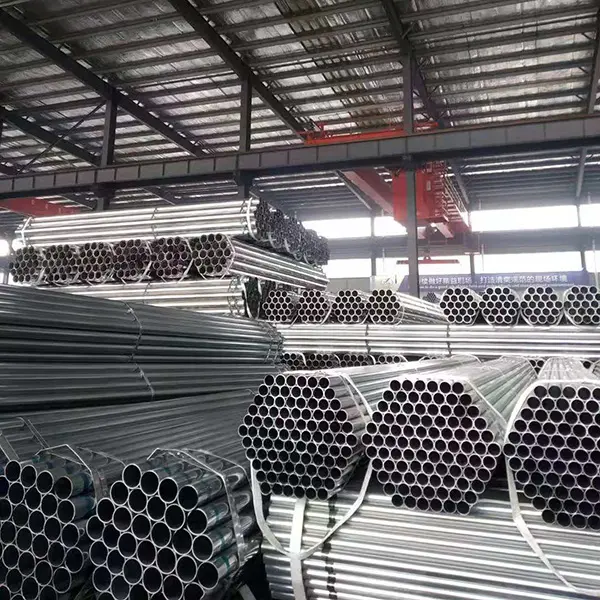
Galvanized iron pipe, specifically its price, represents a critical cost component in infrastructure projects spanning plumbing, irrigation, and structural applications. This guide provides a comprehensive technical analysis of galvanized iron pipe, encompassing its material composition, manufacturing processes, performance characteristics, potential failure modes, and relevant industry standards. Galvanized iron pipe utilizes a carbon steel base pipe coated with a layer of zinc through hot-dip galvanization, offering enhanced corrosion resistance compared to uncoated steel. The price of galvanized iron pipe is dictated by several factors, including raw material costs (steel and zinc), pipe diameter, wall thickness (schedule number), length, and regional demand. Understanding these factors, alongside the technical specifications and limitations of the material, is crucial for informed procurement decisions and long-term system reliability. This document aims to move beyond simple pricing comparisons, offering a deep dive into the engineering and material science aspects that justify cost variations and impact lifecycle expenses.
Material Science & Manufacturing
The foundational material for galvanized iron pipe is carbon steel, typically conforming to ASTM A53 Grade B. This steel consists primarily of iron with varying carbon content (typically 0.05% - 0.25%), along with manganese, silicon, and phosphorus. The mechanical properties of the steel – yield strength, tensile strength, and ductility – are directly influenced by its carbon content and heat treatment. The galvanization process involves immersing the steel pipe in a bath of molten zinc (98% purity or higher). This creates a metallurgical bond between the zinc coating and the underlying steel, forming a series of zinc-iron alloy layers followed by a layer of pure zinc. The thickness of the zinc coating is a critical parameter, typically specified in terms of zinc weight per unit area (e.g., G90, representing 0.90 ounces of zinc per square foot). Manufacturing involves seamless or welded steel pipe production, followed by pickling (acid cleaning to remove mill scale), fluxing, and hot-dip galvanization. Quality control throughout the process is paramount. Key parameters monitored include steel composition, zinc bath temperature (around 840°F / 450°C), immersion time, cooling rate, and coating thickness. Variations in these parameters impact the adhesion, uniformity, and corrosion protection offered by the zinc coating. Improper fluxing can lead to uneven coating, while rapid cooling can induce stresses in the zinc layer, reducing its long-term durability.
Performance & Engineering
The primary engineering function of galvanized iron pipe is fluid or gas conveyance while resisting corrosion. The zinc coating provides sacrificial protection to the steel substrate; it corrodes preferentially, preventing rust formation on the steel. However, this protection isn't indefinite. Corrosion rates are affected by environmental factors, including pH, chloride concentration, and temperature. In acidic environments or areas with high chloride exposure, the zinc coating can deplete more rapidly. Force analysis considers both internal pressure (from the conveyed fluid) and external loads (soil pressure, weight of the pipe, and traffic loads). Pipe wall thickness (schedule number – 40, 80, etc.) is selected based on these loads and the design pressure. The yield strength of the steel dictates the pipe’s resistance to deformation under load. Expansion and contraction due to temperature fluctuations must also be accounted for in the system design to prevent stress concentrations and potential failures. Compliance requirements often include adherence to regional plumbing codes and standards related to potable water systems (e.g., NSF/ANSI 61 certification, ensuring the materials don't leach harmful contaminants into the water). The pipe's resistance to hydrostatic pressure is a critical performance metric, typically tested according to ASTM F4050.
Technical Specifications
| Parameter | Unit | Typical Value (Schedule 40) | Typical Value (Schedule 80) |
|---|---|---|---|
| Outside Diameter | inches | 0.840 (1/2") | 0.840 (1/2") |
| Wall Thickness | inches | 0.140 | 0.179 |
| Minimum Yield Strength (Steel) | psi | 36,000 | 36,000 |
| Tensile Strength (Steel) | psi | 58,000 | 58,000 |
| Zinc Coating Thickness | oz/ft² | G90 (0.90) | G90 (0.90) |
| Hydrostatic Test Pressure | psi | 500 | 750 |
Failure Mode & Maintenance
Galvanized iron pipe is susceptible to several failure modes. Corrosion is the most prevalent, manifesting as localized pitting or general thinning of the pipe wall. This can be accelerated by galvanic corrosion if the pipe is connected to dissimilar metals. Thread corrosion is common at joints, leading to leaks. Fatigue cracking can occur under cyclic loading, particularly at stress concentrators (e.g., welds, threads). Physical damage from impact or improper handling can also lead to failure. Delamination of the zinc coating can occur due to improper surface preparation prior to galvanization or due to stresses induced during manufacturing or installation. Maintenance includes regular inspection for corrosion, especially at joints and exposed areas. Protective coatings (paints or wraps) can be applied to enhance corrosion resistance. If corrosion is detected, localized repairs may be possible, but extensive corrosion often necessitates pipe replacement. Proper installation practices, avoiding excessive bending or stress, are crucial to prevent premature failure. Periodic pressure testing can identify leaks and structural weaknesses. Internal scaling due to mineral buildup can also reduce flow capacity and contribute to corrosion, necessitating occasional cleaning or replacement.
Industry FAQ
Q: What is the impact of different zinc coating thicknesses (e.g., G90 vs. G100) on the price and longevity of the pipe?
A: Higher zinc coating thicknesses (like G100) increase the initial material cost, driving up the price of the pipe. However, this increased zinc provides a longer service life, particularly in corrosive environments, reducing the frequency of replacements. The cost-benefit analysis depends on the application and the severity of the corrosive conditions. For mild environments, G90 is often sufficient; for harsh environments, G100 or even heavier coatings may be justified.
Q: How does the manufacturing process (seamless vs. welded) affect the price and structural integrity of galvanized iron pipe?
A: Seamless pipe generally commands a higher price due to the more complex manufacturing process. It offers superior strength and resistance to pressure, making it suitable for high-pressure applications. Welded pipe is typically more cost-effective but requires careful quality control of the weld seams to ensure structural integrity. The weld seam is a potential point of failure and is subject to stringent inspection standards.
Q: What are the key differences in price and performance between Schedule 40 and Schedule 80 galvanized iron pipe?
A: Schedule 80 pipe is significantly more expensive than Schedule 40 due to its thicker wall. This increased wall thickness provides higher pressure rating and greater resistance to physical damage. Schedule 80 is preferred for applications with higher operating pressures or where greater durability is required. However, the increased weight and material cost must be considered.
Q: How do fluctuations in the price of steel and zinc impact the overall price of galvanized iron pipe?
A: Steel and zinc are the primary raw materials for galvanized iron pipe. Fluctuations in their global market prices directly translate to changes in the price of the pipe. Supply chain disruptions, geopolitical events, and changes in demand all influence these raw material costs. Monitoring these market trends is crucial for accurate cost forecasting.
Q: What is the expected lifespan of a properly installed and maintained galvanized iron pipe system in a typical potable water application?
A: The lifespan of a galvanized iron pipe system can range from 40 to 70 years, depending on water quality, installation practices, and maintenance. However, in areas with highly acidic or corrosive water, the lifespan may be significantly shorter. Regular monitoring and preventative maintenance, such as adjusting water pH and implementing corrosion inhibitors, can extend the system’s service life.
Conclusion
Galvanized iron pipe remains a viable and cost-effective solution for many piping applications, offering a balance of strength, durability, and corrosion resistance. Understanding the factors that influence its price – raw material costs, manufacturing processes, and performance specifications – is essential for making informed procurement decisions. While susceptible to corrosion, especially in aggressive environments, proper installation, regular maintenance, and the selection of appropriate coating thicknesses can significantly extend its service life.
The future of galvanized iron pipe will likely involve advancements in zinc alloy coatings, offering enhanced corrosion protection and extended longevity. Furthermore, improved manufacturing techniques and stricter quality control measures will continue to enhance the reliability and performance of this established piping material. Considering these factors allows for a holistic evaluation, moving beyond initial price point and embracing total cost of ownership.