
Introduction
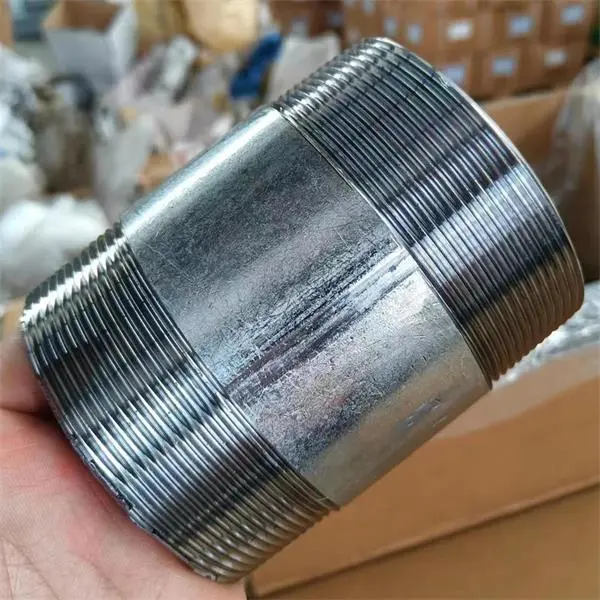
Galvanized irrigation pipe, primarily utilizing carbon steel with a zinc coating, represents a foundational component in agricultural, horticultural, and landscape irrigation systems. Positioned within the fluid conveyance segment of the agricultural infrastructure supply chain, its primary function is the efficient and reliable distribution of water – and occasionally liquid fertilizers – to crops. The zinc coating provides a sacrificial anodic protection, mitigating corrosion of the underlying steel, making it suitable for both above-ground and buried applications. Core performance characteristics hinge on its pressure-bearing capacity, resistance to corrosion from soil and water chemistry, and longevity under cyclical environmental stresses. The industry faces ongoing challenges related to the long-term sustainability of zinc coatings, the potential for lead contamination from older manufacturing processes, and the increasing demand for lighter-weight, more durable alternatives.
Material Science & Manufacturing
The base material for galvanized irrigation pipe is typically carbon steel, conforming to ASTM A53 Grade B or similar specifications. Steel composition dictates its inherent strength and weldability. Key elements influencing corrosion resistance include manganese, silicon, and phosphorus content, which need to be precisely controlled during steelmaking. The galvanizing process involves immersing the steel pipe in a molten zinc bath after surface preparation. Surface preparation is critical and consists of five stages: cleaning, rinsing, fluxing, galvanizing, and inspection. Cleaning removes oil, grease, and dirt; rinsing prepares the surface for fluxing. Fluxing, typically employing zinc ammonium chloride, ensures proper zinc adhesion. The galvanizing bath temperature is maintained between 440-460°C. The resulting zinc coating forms a metallurgical bond with the steel, creating a series of zinc-iron alloy layers followed by a pure zinc outer layer. Coating thickness is measured in microns, with typical values ranging from 50-80 µm depending on pipe diameter and application requirements. Manufacturing processes include electric resistance welding (ERW) and seamless extrusion. ERW pipes require careful monitoring of welding parameters (current, voltage, speed) to ensure weld integrity and prevent porosity. Seamless pipes, while more expensive, offer superior strength and are preferred for high-pressure applications. Post-galvanization, pipes undergo hydrostatic testing to verify pressure rating and detect defects.
Performance & Engineering
Performance of galvanized irrigation pipe is governed by several key engineering principles. Hydrostatic pressure testing, typically conducted per ASTM F488, determines the pipe’s burst pressure and operating pressure limits. A safety factor of at least 2.5 is typically applied. Corrosion resistance is paramount. The zinc coating operates through galvanic protection; zinc corrodes preferentially to steel, shielding it from the environment. However, this protection is dependent on the coating’s integrity. Scratches, dents, or localized coating damage can accelerate corrosion. Soil chemistry plays a significant role; highly acidic or saline soils increase corrosion rates. The pipe’s ability to withstand external loads, such as soil pressure and traffic loads, is critical for buried applications. Burial depth, soil compaction, and the use of appropriate bedding materials influence stress distribution. Thermal expansion and contraction due to temperature fluctuations introduce stresses in the pipe network. Expansion loops or flexible joints are necessary to accommodate these movements and prevent stress cracking. Compliance requirements include adherence to NSF/ANSI 61 standards for drinking water system components, ensuring the pipe does not leach harmful contaminants into the water supply. The long-term performance is also affected by the phenomenon of “white rust” (zinc carbonate), a superficial corrosion product that can accelerate coating degradation if not addressed. Fatigue analysis is crucial for systems subject to cyclical pressure variations, such as pump-driven irrigation systems.
Technical Specifications
| Nominal Pipe Size (inches) | Wall Thickness (mm) | Coating Thickness (µm) | Yield Strength (MPa) |
|---|---|---|---|
| 1/2 | 1.65 | 60-80 | 250 |
| 3/4 | 2.07 | 60-80 | 250 |
| 1 | 2.37 | 70-90 | 250 |
| 1 1/4 | 2.77 | 70-90 | 250 |
| 1 1/2 | 3.27 | 80-100 | 250 |
| 2 | 3.61 | 80-100 | 250 |
Failure Mode & Maintenance
Galvanized irrigation pipe is susceptible to several failure modes. Corrosion, particularly localized corrosion at coating defects, is the most common. Pitting corrosion initiates at breaches in the zinc coating, leading to the formation of deep, narrow holes. Crevice corrosion occurs in shielded areas, such as under gaskets or at threaded connections. Galvanic corrosion can occur when galvanized pipe is connected to dissimilar metals (e.g., copper) in the presence of an electrolyte. Mechanical failure can arise from excessive pressure, impact damage, or fatigue cracking. Threaded connections are prone to stripping or leaking, particularly if improperly tightened or lubricated. Hydrogen embrittlement, though less common, can occur in high-strength steel exposed to hydrogen sulfide (H2S) in anaerobic conditions. Maintenance strategies include regular visual inspections for corrosion and damage. Applying a corrosion inhibitor coating over the galvanized surface can extend its lifespan. Damaged coatings should be repaired with zinc-rich paint. Threaded connections should be inspected and re-tightened periodically. Flushing the irrigation system to remove debris and sediment prevents clogging and reduces internal corrosion. Cathodic protection, although more expensive, can be implemented in critical applications to further mitigate corrosion. For severely corroded sections, replacement is the most effective solution. Periodic hydrostatic testing can help identify weakened sections before catastrophic failure.
Industry FAQ
Q: What is the expected service life of galvanized irrigation pipe in a typical agricultural environment?
A: The service life varies significantly based on soil conditions, water quality, and maintenance practices. However, a well-maintained galvanized pipe system can reasonably be expected to last 20-50 years. Highly acidic or saline soils, or prolonged exposure to corrosive fertilizers, will drastically reduce this lifespan. Regular inspections and preventative maintenance are crucial for maximizing longevity.
Q: How does the quality of the galvanizing process affect the corrosion resistance of the pipe?
A: The galvanizing process is paramount. Consistent coating thickness, uniform coverage, and proper alloy layer formation are essential. A thinner or uneven coating provides less sacrificial protection. The presence of defects, such as pinholes or bare spots, creates pathways for corrosion to initiate. Adherence to ASTM A123 standards is a good indicator of galvanizing quality.
Q: What are the implications of using galvanized pipe with dissimilar metals in an irrigation system?
A: Connecting galvanized pipe to dissimilar metals like copper or aluminum can lead to galvanic corrosion. The more noble metal (e.g., copper) will corrode the galvanized steel. Dielectric unions or isolating fittings should be used to prevent direct contact between dissimilar metals and minimize galvanic corrosion.
Q: Is there a risk of lead contamination associated with older galvanized irrigation pipe?
A: Historically, some galvanized pipes were manufactured using lead-based solder for threaded connections. Lead can leach into the water supply, posing a health hazard. Modern manufacturing processes typically use lead-free solder, but it’s crucial to verify the age and manufacturing date of the pipe if lead contamination is a concern. Replacing older pipes is the most effective solution.
Q: What are the alternatives to galvanized irrigation pipe, and what are their respective advantages and disadvantages?
A: Alternatives include PVC, HDPE, and stainless steel. PVC is cost-effective and corrosion-resistant but has lower pressure ratings and can become brittle in cold temperatures. HDPE offers excellent flexibility and chemical resistance but is more expensive than PVC. Stainless steel provides superior strength and corrosion resistance but is the most expensive option. The optimal choice depends on the specific application requirements and budget constraints.
Conclusion
Galvanized irrigation pipe remains a widely utilized solution for fluid conveyance in agricultural systems due to its robust nature and cost-effectiveness. However, its long-term performance is inherently linked to the integrity of the zinc coating and the surrounding environmental conditions. Understanding the material science principles governing galvanization, the potential failure modes, and appropriate maintenance procedures is crucial for maximizing system lifespan and ensuring reliable operation.
The industry trend is moving towards exploring materials with enhanced corrosion resistance and sustainability. While galvanized steel continues to serve a critical role, the increasing adoption of alternative materials like HDPE and stainless steel suggests a future where these options gain further prominence, particularly in applications demanding extended service life and minimal environmental impact. Continuous research and development in coating technologies are also vital to enhance the performance and longevity of galvanized steel pipes.
