
Introduction
Galvanized metal pipe, primarily steel, is a ubiquitous material in modern infrastructure, utilized extensively in plumbing, structural support, and fluid transport systems. Galvanization, the process of applying a protective zinc coating to steel or iron, fundamentally alters the material’s corrosion resistance, extending its service life significantly. Within the industrial chain, galvanized pipe represents a value-added product, bridging the gap between raw steel production and finished application. Its core performance characteristics – corrosion resistance, mechanical strength, and cost-effectiveness – dictate its prevalence across diverse sectors. This guide provides an in-depth technical analysis of galvanized metal pipe, covering material science, manufacturing processes, performance characteristics, failure modes, and relevant industry standards. A critical pain point within the industry revolves around maintaining consistent zinc coating quality, understanding long-term corrosion behavior in varied environments, and ensuring adherence to increasingly stringent environmental regulations regarding zinc content and disposal.
Material Science & Manufacturing
The base material for galvanized pipe is typically carbon steel, categorized by grades such as A53, A153, and A120. These steels possess varying levels of carbon content, influencing their weldability and ductility. The mechanical properties of the steel substrate - yield strength, tensile strength, and elongation – are critical factors dictating the pipe’s load-bearing capacity. The galvanizing process itself involves several methods: hot-dip galvanizing, electrogalvanizing, and spray galvanizing. Hot-dip galvanizing, the most common method, involves immersing the steel pipe in a molten zinc bath (typically 98% pure zinc) at temperatures around 450°C (842°F). This results in a metallurgically bonded zinc coating comprised of several layers: Gamma, Delta, Zeta, and Eta phases. The Delta and Zeta phases contribute most significantly to the corrosion protection. Critical parameters during hot-dip galvanizing include steel surface preparation (pickling to remove scale), bath temperature control, immersion time, and cooling rate. Electrogalvanizing utilizes an electrolytic process to deposit a thinner, more uniform zinc coating, often preferred for applications requiring tighter tolerances. The zinc’s corrosion protection relies on both barrier protection (physically shielding the steel) and cathodic protection (zinc corroding sacrificially to protect the steel). The coating thickness is a primary performance metric, usually measured in weight per unit area (e.g., G90, indicating 0.90 ounces of zinc per square foot of steel surface).
Performance & Engineering
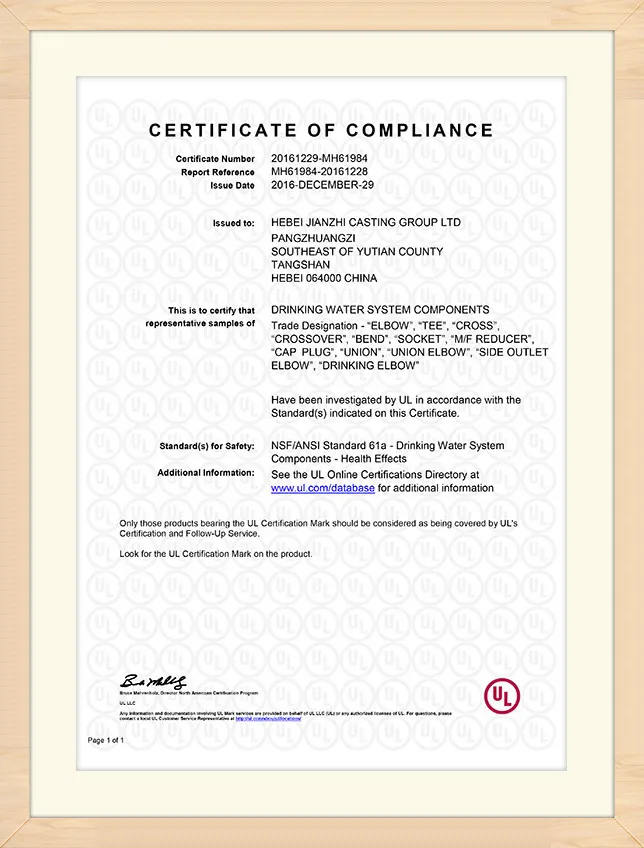
The performance of galvanized pipe is fundamentally linked to its ability to withstand corrosive environments. Force analysis considers both internal pressure (from fluids being transported) and external loads (bending moments, shear forces). The pipe’s wall thickness, determined by design codes like ASME B31.1 for power piping or ASTM A53 for general utility applications, is paramount in ensuring structural integrity. Environmental resistance is primarily dictated by the zinc coating’s thickness and the surrounding environment’s corrosivity. Factors such as salt spray concentration, humidity, temperature, and the presence of industrial pollutants significantly accelerate corrosion rates. The rate of zinc corrosion is governed by electrochemical principles, influenced by pH and electrolyte conductivity. Galvanized pipe is often subjected to hydrostatic testing to verify its pressure-holding capacity and identify any leaks or defects. Compliance requirements vary depending on the application. For potable water systems, pipes must meet NSF/ANSI 61 standards for lead content and extractable contaminants. In structural applications, adherence to building codes and relevant steel design standards is essential. The long-term performance also considers the formation of corrosion products – zinc carbonates and oxides – which can alter the surface characteristics and affect coating adhesion.
Technical Specifications
| Parameter | ASTM A53 Grade B (Typical) | ASTM A153 (Typical) | Units |
|---|---|---|---|
| Yield Strength | 36,000 | 30,000 | psi |
| Tensile Strength | 58,000 | 60,000 | psi |
| Elongation | 22 | 20 | % |
| Zinc Coating Thickness (Hot-Dip Galvanized) | 3.0 - 5.0 | 2.5 - 4.0 | mil |
| Zinc Coating Weight (Hot-Dip Galvanized) | 0.9 - 1.5 | 0.7 - 1.2 | oz/ft² |
| Corrosion Rate (Salt Spray) | > 1000 | > 500 | hours to white rust |
Failure Mode & Maintenance
Galvanized pipe can experience several failure modes in practical applications. Uniform corrosion, resulting from consistent zinc loss across the surface, is the most common. However, localized corrosion – pitting, crevice corrosion, and galvanic corrosion – can accelerate failure. Pitting corrosion occurs due to defects in the zinc coating or the presence of chlorides. Crevice corrosion develops in shielded areas with limited oxygen access. Galvanic corrosion arises when dissimilar metals are in contact, creating an electrochemical cell. Fatigue cracking can occur under cyclic loading, particularly at weld joints. Delamination of the zinc coating, often caused by poor surface preparation during galvanizing, reduces corrosion protection. White rust (zinc oxide) forms when the galvanized surface is exposed to moisture and air, accelerating zinc loss. Maintenance strategies include regular visual inspections for signs of corrosion, coating repairs (using zinc-rich paints), and cathodic protection systems (sacrificial anodes or impressed current). For heavily corroded sections, replacement is often necessary. Preventive measures include proper surface preparation, consistent coating thickness, avoiding contact with dissimilar metals, and ensuring adequate ventilation to minimize moisture accumulation. Periodic cleaning with a mild detergent solution can remove surface contaminants and slow corrosion rates. A crucial aspect of maintenance is adherence to proper grounding practices to prevent stray current corrosion.
Industry FAQ
Q: What is the impact of weld quality on the corrosion resistance of galvanized pipe?
A: Welding can significantly compromise the zinc coating at the heat-affected zone (HAZ), leading to localized corrosion. The high temperatures during welding can alter the zinc-steel interface, forming brittle intermetallic compounds that reduce coating adhesion. Proper welding procedures, including the use of compatible filler metals and post-weld galvanizing repair, are critical to restoring corrosion protection. A post-weld zinc coating application, such as zinc spray metallizing, is often required.
Q: How does soil composition affect the long-term performance of buried galvanized pipe?
A: Soil composition is a major factor. Soils with high clay content, low pH (acidic soils), and high salt concentrations accelerate corrosion rates. Sulfate-reducing bacteria in anaerobic soil conditions can also contribute to corrosion. Protective coatings (e.g., polyethylene sleeves, epoxy coatings) and cathodic protection are often employed for buried pipelines to mitigate these effects.
Q: What are the limitations of electrogalvanizing compared to hot-dip galvanizing?
A: Electrogalvanizing produces a thinner, more uniform coating, but it generally offers lower corrosion resistance than hot-dip galvanizing. The metallurgical bond between the zinc and steel is weaker, making the coating more susceptible to chipping and abrasion. Electrogalvanizing is often used for applications requiring precise tolerances and a smooth surface finish, but hot-dip galvanizing is preferred for applications demanding maximum corrosion protection.
Q: What is the role of passivation in enhancing the corrosion resistance of galvanized pipe?
A: Passivation, typically involving chromate conversion coating, creates a protective layer on the zinc surface, further enhancing corrosion resistance. However, the use of chromates is increasingly restricted due to environmental concerns. Alternative passivation treatments, utilizing non-chromate formulations, are being developed to provide similar levels of protection while minimizing environmental impact.
Q: What are the considerations when connecting galvanized pipe to dissimilar metals, such as copper?
A: Connecting galvanized pipe to dissimilar metals can lead to galvanic corrosion. Copper is more noble than zinc, meaning the zinc will corrode preferentially. Dielectric unions, which electrically isolate the two metals, must be used to prevent this. Using compatible corrosion inhibitors in the fluid being transported can also help to minimize galvanic corrosion effects.
Conclusion
Galvanized metal pipe remains a cornerstone material in numerous industries due to its robust combination of mechanical strength and corrosion resistance. Understanding the nuanced interplay between material science, manufacturing processes, and environmental factors is crucial for ensuring its long-term performance and reliability. The selection of appropriate galvanizing methods, adherence to stringent quality control measures, and implementation of effective maintenance strategies are all essential to maximize its service life and minimize potential failure modes.
Future advancements in galvanizing technology, including the development of more environmentally friendly coatings and improved corrosion monitoring techniques, will further enhance the durability and sustainability of galvanized pipe. Continued research into the mechanisms of corrosion and the optimization of protective coatings will be vital for addressing the evolving challenges faced by industries relying on this critical material. The consistent application of standardized testing and adherence to updated regulations will be fundamental for maintaining quality and ensuring public safety.
