
Introduction
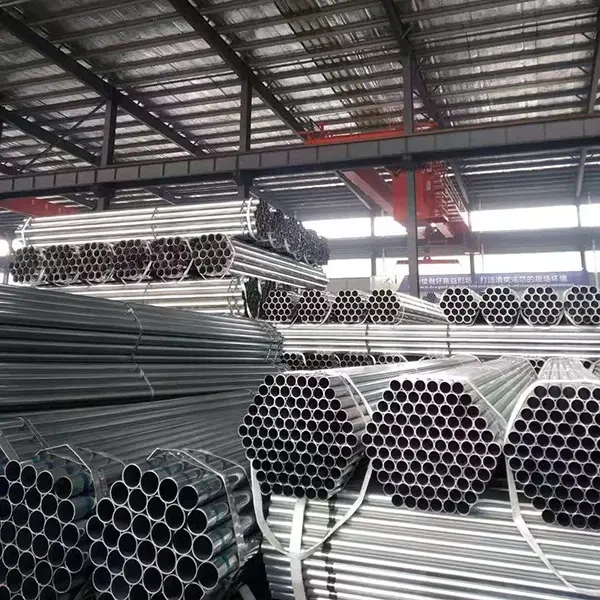
Galvanized mild steel pipe is a ubiquitous construction and industrial material comprising a mild steel substrate protected by a zinc coating. Its primary function is fluid conveyance – water, gas, oil, and various chemicals – and structural applications where corrosion resistance is paramount. Positioned within the broader piping industry, galvanized steel pipe competes with alternatives such as copper, stainless steel, PVC, and polyethylene. However, it uniquely balances cost-effectiveness with reasonable durability. The core performance characteristics defining galvanized steel pipe include its tensile strength, corrosion resistance (determined by zinc coating thickness), pressure handling capability, and weldability. A significant pain point within the industry revolves around maintaining consistent zinc coating quality, preventing premature corrosion in harsh environments, and addressing potential issues with lead content in older manufacturing processes. Understanding these aspects is crucial for long-term performance and compliance.
Material Science & Manufacturing
The base material for galvanized steel pipe is mild steel, typically a low-carbon steel with a carbon content of less than 0.25%. Key alloying elements include manganese, silicon, and phosphorus, influencing the steel’s weldability and ductility. The zinc coating, applied via hot-dip galvanization, is the primary defense against corrosion. This process involves immersing the steel pipe in a bath of molten zinc, creating a metallurgical bond. The resulting coating comprises layers of zinc-iron alloy and a final outer layer of pure zinc. Manufacturing begins with the production of seamless or welded steel pipe. Seamless pipes are created by piercing solid billets, offering higher strength and pressure ratings. Welded pipes, produced by rolling and welding steel strips, are generally more cost-effective. Critical manufacturing parameters include steel composition control to meet ASTM A53 or similar standards, thorough cleaning to remove mill scale and contaminants prior to galvanization, precise control of the galvanization bath temperature (typically around 450°C), and cooling rates to ensure a uniform and adherent zinc coating. Coating thickness is a vital parameter, measured in grams per square meter (g/m²) and directly correlated to the expected service life. Variations in steel composition, surface preparation, and galvanization parameters can lead to coating defects like bare spots, drips, or uneven thickness, compromising corrosion protection. Furthermore, the presence of impurities like lead in the steel can affect the galvanization process and lead to environmental concerns.
Performance & Engineering
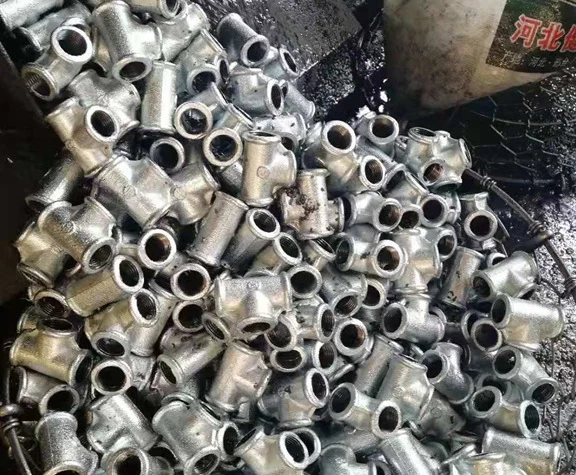
The performance of galvanized mild steel pipe is governed by a complex interplay of mechanical and environmental factors. Structural analysis focuses on tensile strength (typically 36,000 – 80,000 psi for common grades), yield strength, and resistance to bending and buckling under internal pressure. Force analysis, particularly for piping systems carrying fluids, must account for hydrostatic pressure, thermal expansion/contraction, and dynamic loads (e.g., water hammer). Corrosion resistance is the primary engineering concern. The zinc coating acts as a sacrificial anode, corroding preferentially to the steel substrate. This cathodic protection mechanism effectively shields the steel, even if the coating is scratched or damaged. However, the rate of zinc corrosion depends on environmental factors like humidity, salinity, and exposure to pollutants (sulfur dioxide, chlorides). In highly corrosive environments, supplemental coatings or cathodic protection systems may be necessary. Compliance requirements dictate adherence to standards such as ANSI/ASME B31.1 for power piping, ASME B31.3 for process piping, and local building codes. The weldability of galvanized steel pipe is generally good, but precautions must be taken to avoid damaging the zinc coating during welding. Proper welding procedures and post-weld galvanization repair are essential to maintain corrosion protection. Galvanic corrosion, occurring when dissimilar metals are in contact, is a potential concern and requires careful consideration in system design (e.g., using dielectric unions).
Technical Specifications
| Parameter | ASTM A53 Grade B (Typical) | ASTM A153 (Zinc Coating) | Units |
|---|---|---|---|
| Tensile Strength | 60,000 psi (414 MPa) | N/A | psi/MPa |
| Yield Strength | 36,000 psi (248 MPa) | N/A | psi/MPa |
| Zinc Coating Thickness (Minimum) | N/A | 0.55 oz/ft² (168 g/m²) | oz/ft²/g/m² |
| Outside Diameter | 0.5 – 4 inches | N/A | inches |
| Wall Thickness | Schedule 40, 80, 10s | N/A | inches |
| Maximum Operating Pressure | Varies with Diameter & Schedule | N/A | psi |
Failure Mode & Maintenance
Galvanized steel pipe is susceptible to several failure modes. Uniform corrosion, resulting from the gradual consumption of the zinc coating, is the most common. However, localized corrosion, such as pitting corrosion (caused by chloride attack) and crevice corrosion (occurring in shielded areas), can accelerate failure. White rust (zinc hydroxide) formation, a visual indicator of corrosion, often precedes more severe degradation. Mechanical failures include fatigue cracking (due to cyclic loading), denting (from external impact), and weld defects (arising from improper welding techniques). Hydrogen embrittlement, a less frequent but critical failure mode, can occur in high-strength steels exposed to hydrogen sulfide. Maintenance strategies are crucial for extending service life. Regular inspection for signs of corrosion, including visual assessment of the coating and non-destructive testing (NDT) methods like ultrasonic thickness testing, is recommended. Removing white rust, repairing damaged coatings (using zinc-rich paints), and applying protective coatings (epoxy, polyurethane) can mitigate corrosion. For systems carrying corrosive fluids, periodic cleaning and chemical treatment may be necessary. Proper installation, avoiding stress concentrations, and ensuring adequate support are essential to prevent mechanical failures. In areas prone to stray currents, grounding and bonding should be implemented to minimize galvanic corrosion.
Industry FAQ
Q: What is the typical lifespan of galvanized steel pipe in a freshwater application?
A: In a typical freshwater application with moderate environmental exposure, galvanized steel pipe can have a service life of 40-70 years. This lifespan is heavily dependent on the initial zinc coating thickness, water quality (pH, chloride content), and maintenance practices. Regularly monitoring for corrosion and applying protective coatings can significantly extend the lifespan.
Q: How does the presence of chlorides in the environment affect galvanized steel pipe?
A: Chlorides are highly detrimental to galvanized steel pipe. They penetrate the zinc coating, accelerating corrosion and leading to pitting. In marine environments or areas where de-icing salts are used, the corrosion rate can increase dramatically. Supplemental coatings or alternative materials like stainless steel are often recommended in chloride-rich environments.
Q: What are the limitations of using galvanized steel pipe for potable water systems?
A: While generally safe, galvanized steel pipe can contribute to lead leaching into potable water, particularly in older systems where lead-based solder was used. Furthermore, the buildup of zinc and iron oxides can affect water taste and clarity. Modern galvanized steel pipe formulations typically have lower lead content, and proper flushing procedures can mitigate these issues. However, many jurisdictions are phasing out galvanized steel for potable water in favor of copper or PEX.
Q: Can galvanized steel pipe be used for gas lines?
A: Yes, galvanized steel pipe is commonly used for natural gas and propane lines, adhering to specific code requirements (e.g., ASME B31.8). It must be properly sealed with gas-rated thread sealant and undergo pressure testing to ensure leak-free operation. However, polyethylene (PE) pipe is becoming increasingly popular for gas lines due to its flexibility and corrosion resistance.
Q: What is the difference between hot-dip galvanization and electrogalvanization?
A: Hot-dip galvanization, as described previously, provides a thicker and more durable zinc coating due to the metallurgical bond formed during immersion. Electrogalvanization uses an electrolytic process to deposit a thinner zinc coating. While electrogalvanization offers better surface finish and tighter tolerance control, the coating is less resistant to abrasion and corrosion compared to hot-dip galvanization. Hot-dip galvanization is the preferred method for most industrial applications requiring long-term corrosion protection.
Conclusion
Galvanized mild steel pipe remains a valuable material in diverse applications, offering a compelling balance of strength, cost-effectiveness, and corrosion resistance. Its suitability, however, is contingent upon a thorough understanding of its material properties, manufacturing processes, and potential failure modes. Proper selection, installation, and maintenance are crucial for maximizing its service life and ensuring safe, reliable operation. Careful consideration of environmental factors, particularly chloride exposure, and adherence to relevant industry standards are paramount.
Future trends in galvanized steel pipe technology will likely focus on improving zinc coating uniformity, reducing lead content, and developing more environmentally friendly galvanization processes. The integration of smart sensing technologies for corrosion monitoring and predictive maintenance will also enhance the long-term performance and reliability of galvanized steel piping systems. Ultimately, a holistic approach, encompassing material science, engineering principles, and best practices in maintenance, will continue to solidify the position of galvanized steel pipe as a crucial component of infrastructure worldwide.
