
Introduction
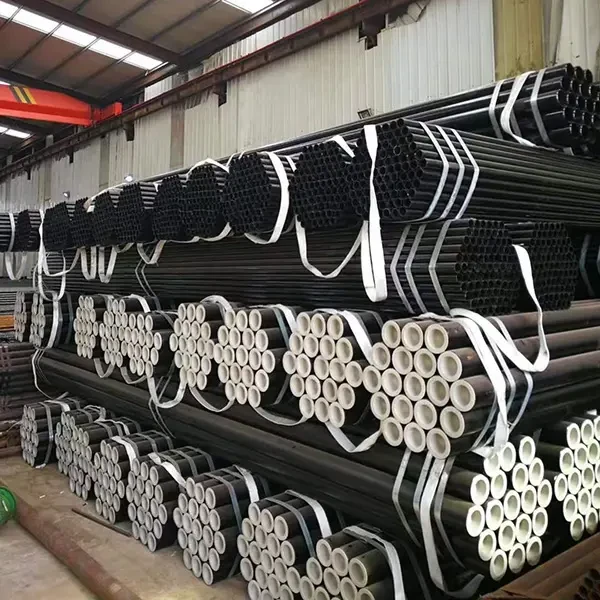
3-inch galvanized pipe is a carbon steel pipe coated with a layer of zinc through a process called galvanization. This coating provides corrosion resistance, making it suitable for a wide range of applications, including potable water distribution, fire sprinkler systems, structural supports, and industrial piping. Its primary position in the industry chain is as a fluid transfer and structural component, acting as a conduit for liquids and gases, or a load-bearing element in construction. The core performance characteristics center around pressure containment, flow rate capacity, corrosion resistance, and structural integrity. Galvanized pipe, while facing competition from materials like PVC, CPVC, and stainless steel, remains a cost-effective and durable solution, particularly in applications requiring significant mechanical strength and threaded connections. A key industry pain point is the ongoing concern regarding lead content in galvanized steel, especially in potable water systems, driving demand for lead-free alternatives or mitigation strategies. Another challenge lies in ensuring consistent zinc coating thickness and adhesion to prevent localized corrosion.
Material Science & Manufacturing
The base material for 3-inch galvanized pipe is typically carbon steel, most commonly ASTM A53 Grade B or A120. This steel primarily consists of iron, with varying percentages of carbon (typically 0.05% to 0.25%) and trace amounts of manganese, silicon, and phosphorus. These elements influence the steel’s weldability, ductility, and strength. The galvanization process itself involves several methods. Hot-dip galvanizing is the most prevalent, where the steel pipe is immersed in a bath of molten zinc (98% purity or higher). This results in a metallurgically bonded zinc coating. The zinc reacts with the iron in the steel, forming a series of zinc-iron alloy layers, followed by a layer of pure zinc. Another method, albeit less common for large diameter pipe, is electrogalvanization, which uses an electric current to deposit a zinc coating. Critical manufacturing parameters include bath temperature (typically 450-460°C for hot-dip), immersion time, steel surface preparation (pickling to remove mill scale and rust), and cooling rate. Surface preparation is paramount; inadequate cleaning leads to poor zinc adhesion and early corrosion. The thickness of the zinc coating is carefully controlled, typically ranging from 0.008 to 0.015 inches (200 to 380 micrometers), depending on the application and desired corrosion resistance. Post-galvanization, pipes undergo threading, inspection, and protective coating application (often with a clear or yellow chromate conversion coating to further enhance corrosion resistance).

Performance & Engineering
The performance of 3-inch galvanized pipe is heavily influenced by its ability to withstand internal pressure and external loads. Hydrostatic testing is standard, subjecting the pipe to pressures significantly exceeding its operational limits to verify leak-proof integrity. Force analysis considers hoop stress (the stress acting circumferentially due to internal pressure), longitudinal stress (due to pressure and bending moments), and radial stress. The zinc coating's primary function is cathodic protection – it corrodes preferentially to the steel, protecting it from corrosion. However, this protection is most effective in environments where the zinc coating remains intact. Environmental resistance is a key consideration. Galvanized pipe performs well in fresh water and moderately humid environments. However, exposure to saltwater, acidic conditions, or prolonged wet/dry cycles can accelerate corrosion. Compliance requirements vary geographically. In North America, ASTM standards are dominant, while Europe adheres to EN standards. Specific applications, like potable water systems, may have stringent regulations regarding lead content and zinc solubility. Functional implementation often involves threaded connections, requiring careful selection of thread sealant (typically PTFE tape or pipe dope) to prevent leaks. The pipe's weight (approximately 8.44 lbs/ft for Schedule 40) needs to be factored into structural designs, alongside appropriate supports and hangers to prevent sagging or stress concentrations.
Technical Specifications
| Nominal Pipe Size | Outside Diameter (inches) | Wall Thickness (Schedule 40, inches) | Weight (lbs/ft) | Zinc Coating Thickness (minimum, inches) | Yield Strength (psi) |
|---|---|---|---|---|---|
| 3 | 3.5 | 0.218 | 8.44 | 0.008 | 36,000 |
| 3 | 3.5 | 0.280 (Schedule 80) | 10.77 | 0.008 | 36,000 |
| 3 | 3.5 | 0.237 (Schedule XS) | 9.28 | 0.008 | 36,000 |
| 3 | 3.5 | 0.180 (Schedule 20) | 6.69 | 0.008 | 36,000 |
| 3 | 3.5 | 0.375 (Standard Pipe) | 11.84 | 0.008 | 36,000 |
| 3 | 3.5 | 0.406 (Double Extra Strong) | 13.02 | 0.008 | 36,000 |
Failure Mode & Maintenance
Common failure modes for 3-inch galvanized pipe include corrosion, particularly at threaded connections and areas with damaged zinc coatings. Galvanic corrosion can occur when galvanized pipe is directly connected to dissimilar metals (e.g., copper) in the presence of an electrolyte. Fatigue cracking can develop under cyclical loading, especially near welds or threaded joints. Hydrogen embrittlement, a less frequent but serious issue, can occur due to the interaction of zinc corrosion products with the steel, leading to brittle fracture. Leakage at threaded connections is also a common problem, often caused by improper installation, thread damage, or sealant failure. Maintenance strategies include regular visual inspections for signs of corrosion, especially at joints and exposed areas. Applying a protective coating (e.g., zinc-rich paint) to damaged areas can help prevent further corrosion. For systems in harsh environments, cathodic protection (e.g., sacrificial anodes) may be necessary. Periodic hydrostatic testing can verify the pipe's integrity. When replacing sections of galvanized pipe, ensure proper thread preparation and use of compatible thread sealant. In potable water systems, consider flushing the system periodically to remove accumulated sediment and corrosion products. For persistent corrosion issues, evaluate the water chemistry and consider water treatment options.
Industry FAQ
Q: What is the typical lifespan of a 3-inch galvanized pipe system in a residential water distribution application?
A: The lifespan varies significantly based on water quality and environmental conditions. Generally, a well-maintained system can last 40-50 years, but in areas with aggressive water chemistry (low pH, high chloride content), the lifespan may be reduced to 20-30 years. Regular inspections and proactive maintenance are crucial.
Q: Is lead a concern with galvanized pipe, and what mitigation strategies are available?
A: While the zinc coating itself doesn't contain lead, lead may be present in the steel substrate or the lead-based solder used in older threaded connections. Mitigation strategies include replacing lead-based solder with lead-free alternatives, installing a point-of-use filter certified to remove lead, or replacing the entire galvanized pipe system with lead-free materials like PEX or CPVC.
Q: How does the performance of galvanized pipe compare to PVC in terms of corrosion resistance?
A: PVC is inherently resistant to corrosion from most chemicals and is not susceptible to rusting like galvanized steel. However, galvanized pipe offers superior mechanical strength and can withstand higher temperatures. The choice depends on the specific application and environmental conditions. PVC is preferred for corrosive environments, while galvanized pipe is often chosen for structural applications.
Q: What are the advantages of using Schedule 80 galvanized pipe over Schedule 40?
A: Schedule 80 galvanized pipe has a thicker wall than Schedule 40, providing greater pressure-bearing capacity and increased resistance to physical damage. It is typically used in applications requiring higher structural integrity or operating at higher pressures.
Q: What are the key considerations when connecting galvanized pipe to other materials, such as copper?
A: When connecting galvanized pipe to dissimilar metals like copper, it's essential to use a dielectric union to prevent galvanic corrosion. The dielectric union isolates the two metals, preventing the flow of electrons and minimizing corrosion. Using compatible thread sealant is also crucial.
Conclusion
3-inch galvanized pipe remains a viable material choice for numerous applications due to its cost-effectiveness, strength, and established installation practices. However, its susceptibility to corrosion, particularly in harsh environments, necessitates careful consideration of water quality, protective coatings, and regular maintenance. The presence of potential lead contamination in older systems also demands attention and proactive mitigation strategies.
Future trends suggest a continued shift towards alternative materials like PEX and CPVC, especially in potable water systems, driven by concerns about lead and long-term corrosion resistance. Nonetheless, galvanized pipe will likely retain a significant presence in industrial and structural applications where its mechanical properties and threaded connectivity offer distinct advantages. Ongoing advancements in zinc coating technologies and corrosion inhibitors may further extend the lifespan and performance of galvanized pipe systems.
