
Introduction
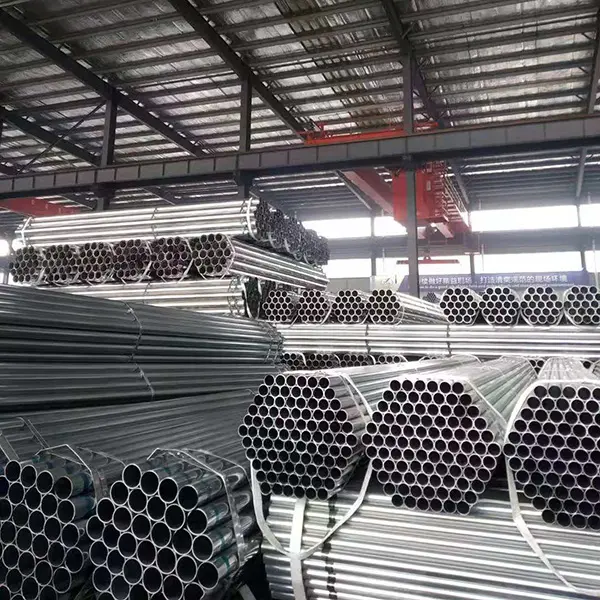
Galvanized pipe 45-degree elbows are critical components in fluid and gas conveyance systems, facilitating directional changes within piping networks. Positioned within the broader landscape of piping fittings, these elbows are integral to constructing robust and reliable infrastructure across diverse industries including plumbing, fire suppression, industrial processing, and structural support. The primary function of a 45-degree elbow is to provide a gradual bend, reducing flow turbulence compared to sharper angle fittings (like 90-degree elbows) and minimizing pressure drop. This is achieved through a hot-dip galvanization process applied to carbon steel elbows, creating a protective zinc coating. The effectiveness of this coating dictates the longevity and corrosion resistance of the fitting. Core performance characteristics include pressure rating, dimensional accuracy, and adherence to relevant industry standards for material composition and coating thickness. A significant pain point in industry is ensuring consistent galvanization thickness and avoiding localized coating defects that can initiate corrosion, leading to premature failure and costly system downtime. The selection of an appropriate elbow necessitates consideration of the conveyed fluid’s chemical compatibility with both the steel substrate and the zinc coating.
Material Science & Manufacturing
The foundation of galvanized pipe 45-degree elbows is typically carbon steel, commonly ASTM A53 Grade B or equivalent. This steel exhibits good weldability and formability, essential for manufacturing the elbow’s shape. The primary raw material's mechanical properties (yield strength, tensile strength, elongation) directly impact the elbow’s ability to withstand internal and external pressures. The manufacturing process generally begins with cutting flat steel plates into appropriate shapes, followed by either cold forming or hot forging to create the elbow's geometry. Cold forming offers tighter dimensional tolerances but is limited by the ductility of the steel. Hot forging provides greater flexibility in forming complex shapes but requires subsequent machining to achieve precise dimensions. Following forming, the elbow undergoes welding to create a seamless joint, which is then subjected to non-destructive testing (NDT) – typically radiographic inspection – to detect any internal flaws. The galvanization process is a crucial step. Hot-dip galvanizing involves immersing the steel elbow in a bath of molten zinc (typically 98% pure) at approximately 450°C (842°F). This creates a metallurgical bond between the zinc and the steel, forming a series of zinc-iron alloy layers topped with a layer of pure zinc. Key parameters controlled during galvanization include bath temperature, immersion time, steel surface preparation (cleaning to remove oxides and scale), and cooling rate. Inadequate surface preparation or improper bath chemistry results in uneven coating thickness and reduced corrosion protection. Post-galvanization, inspection for coating thickness and adherence to standards like ASTM A123 is paramount.
Performance & Engineering
The structural integrity of a galvanized pipe 45-degree elbow under pressure is governed by stress analysis principles, specifically thin-walled pressure vessel theory. Hoop stress, longitudinal stress, and radial stress are key parameters calculated based on internal pressure, elbow diameter, and wall thickness. Finite Element Analysis (FEA) is frequently employed to simulate stress distribution under various loading conditions, including hydrostatic testing and operational pressures. Environmental resistance is paramount. Galvanized steel, while offering significant corrosion protection, is still susceptible to corrosion in specific environments. Chloride-rich environments (marine applications, de-icing salts) accelerate corrosion rates, leading to localized pitting and eventual failure. Similarly, exposure to acidic or alkaline solutions can compromise the zinc coating. The selection of a compatible coating system, potentially incorporating epoxy or polyurethane layers over the galvanized surface, may be necessary in harsh environments. Compliance requirements depend on the intended application. Plumbing systems must adhere to standards like UPC (Uniform Plumbing Code) and IPC (International Plumbing Code). Fire suppression systems require compliance with NFPA 13 (Standard for the Installation of Sprinkler Systems). Industrial applications may be subject to ASME B31.3 (Process Piping). Galvanic corrosion, occurring when dissimilar metals are in contact in the presence of an electrolyte, is also a concern. Careful selection of compatible materials for adjacent components is essential to mitigate this risk. The elbow's pressure rating, typically expressed in PSI or Bar, is determined through hydrostatic testing conducted in accordance with ASTM A1015 and dictates the maximum permissible operating pressure.
Technical Specifications
| Parameter | Specification (Typical) | Test Method | Unit |
|---|---|---|---|
| Nominal Pipe Size | 1/2" to 12" | ANSI/ASME B36.10M | inches |
| Schedule | 40, 80 | ANSI/ASME B36.10M | - |
| Material | ASTM A53 Grade B Carbon Steel | ASTM A53 | - |
| Galvanization Coating | Hot-Dip Galvanized | ASTM A123 | microns |
| Coating Thickness (Minimum) | 55 | ASTM A123 | μm |
| Pressure Rating (at 20°C) | Varies with size and schedule (e.g., 600 PSI for 2" Sch 40) | Hydrostatic Test (ASTM A1015) | PSI |
Failure Mode & Maintenance
Common failure modes in galvanized pipe 45-degree elbows include corrosion-induced failures, mechanical failures due to overpressure or impact, and thread failures. Corrosion manifests as localized pitting, particularly in chloride-rich environments, eventually leading to through-wall penetration and leakage. The zinc coating acts as a sacrificial anode, corroding preferentially to protect the steel substrate, but this protection is limited once the zinc is depleted. Mechanical failures can occur due to fatigue cracking caused by cyclic loading, especially in systems subjected to vibration or thermal cycling. Overpressure events can exceed the elbow’s yield strength, leading to deformation or catastrophic rupture. Thread failures are common in threaded elbows, resulting from improper installation (over-tightening, galling) or corrosion within the threads. Maintenance strategies include regular visual inspections for signs of corrosion (rust, blistering of the coating), periodic hydrostatic testing to verify pressure integrity, and application of protective coatings to damaged areas. For elbows exposed to harsh environments, consider implementing a cathodic protection system to mitigate corrosion. When replacing an elbow, ensure the replacement material is fully compatible with the existing piping system and operating conditions. Properly cleaning and lubricating threads before installation is crucial to prevent galling and ensure a leak-tight seal. In cases of significant corrosion, complete system replacement may be necessary to avoid widespread failures.
Industry FAQ
Q: What is the impact of water hardness on the lifespan of a galvanized elbow?
A: High water hardness, particularly containing calcium and magnesium ions, can lead to scale buildup on the interior of the elbow. This scale reduces flow capacity and can create crevices where corrosion initiates. While the zinc coating protects the steel, scale can trap corrosive agents against the metal surface, accelerating localized corrosion. Water softening or the use of corrosion inhibitors may be necessary in high-hardness water applications.
Q: How does the angle of the elbow (45 degrees vs. 90 degrees) affect pressure loss?
A: A 45-degree elbow introduces less flow disturbance and therefore results in a lower pressure loss compared to a 90-degree elbow. The gradual bend reduces turbulence and minimizes energy dissipation. The precise pressure loss depends on the flow rate, pipe diameter, and elbow geometry, but generally, a 45-degree elbow is preferred when minimizing pressure drop is critical.
Q: What is the difference between electrogalvanized and hot-dip galvanized elbows?
A: Hot-dip galvanizing provides a thicker, more robust zinc coating with superior adhesion to the steel substrate, offering greater long-term corrosion protection. Electrogalvanizing applies a thinner coating and is more susceptible to corrosion. Hot-dip galvanizing is generally preferred for outdoor applications and harsh environments, while electrogalvanizing may be suitable for indoor, less corrosive environments.
Q: Are galvanized elbows suitable for potable water systems?
A: Galvanized elbows have historically been used in potable water systems, however, there are increasing concerns regarding lead contamination from the galvanization process and zinc leaching into the water. Many municipalities now restrict or prohibit the use of galvanized piping in potable water systems, favoring copper or PEX tubing. It’s crucial to verify local plumbing codes before using galvanized elbows for potable water.
Q: What is the best method for joining galvanized elbows to other piping components?
A: Threaded connections are common, but require proper thread sealant compatible with galvanized steel (avoiding dissimilar metal contact). Welding directly to galvanized steel is generally not recommended due to the release of toxic zinc fumes. If welding is necessary, the galvanization must be completely removed from the weld area. Mechanical couplings, such as dresser couplings or flanged connections, offer a corrosion-resistant alternative and avoid the issues associated with welding.
Conclusion
Galvanized pipe 45-degree elbows represent a cost-effective and widely utilized solution for directional changes in piping systems. Their performance, however, is intrinsically linked to the quality of the steel substrate, the integrity of the galvanization process, and the environmental conditions to which they are exposed. Understanding the potential failure modes – corrosion, mechanical stress, and thread degradation – is critical for implementing effective maintenance strategies and ensuring long-term system reliability.
Moving forward, advancements in coating technologies, such as the application of duplex systems (zinc + epoxy/polyurethane) and the development of higher-purity zinc alloys, promise enhanced corrosion resistance and extended service life. Furthermore, the increasing adoption of non-destructive testing techniques and advanced monitoring systems will enable proactive identification of potential failures, minimizing downtime and maximizing operational efficiency. Continued adherence to relevant industry standards and best practices remains paramount for maintaining the safety and integrity of piping infrastructure.
