

Introduction
Galvanized pipe with coating represents a critical component in fluid and gas transport systems across diverse industries, including water distribution, oil and gas, construction, and fire suppression. This guide provides an in-depth technical analysis of galvanized pipe—steel pipe coated with zinc—and subsequent coating applications (epoxy, polyethylene, polyurethane) designed to enhance corrosion resistance and extend service life. Galvanization, primarily utilizing a hot-dip process, offers sacrificial protection to the underlying steel. However, the limitations of zinc alone – vulnerability to certain corrosive environments and mechanical damage – necessitate further coating to provide a robust, long-term solution. We will explore the material science, manufacturing processes, performance characteristics, potential failure modes, and relevant industry standards surrounding this combined protection system. This analysis is targeted towards procurement managers, materials engineers, and maintenance personnel involved in the selection, specification, installation, and lifecycle management of these critical infrastructure elements. Core industry pain points addressed include managing long-term corrosion mitigation costs, ensuring compliance with increasingly stringent environmental regulations, and minimizing downtime due to premature pipe failure.
Material Science & Manufacturing
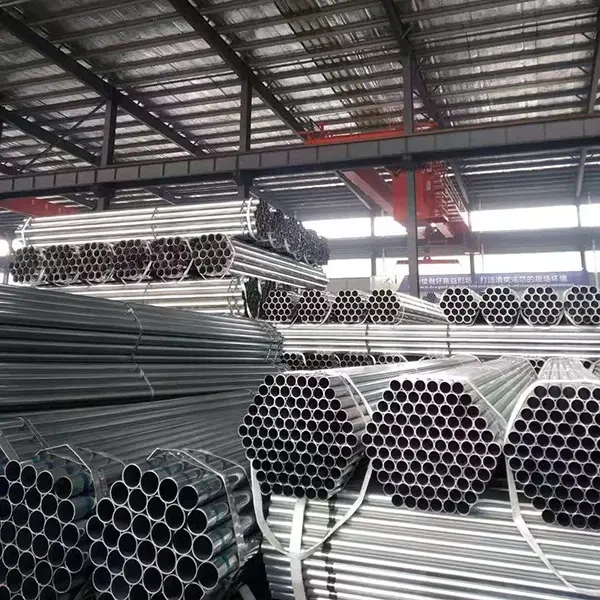
The foundational material is carbon steel, typically ASTM A53 Grade B or ASTM A106 Grade B, characterized by varying levels of strength and ductility depending on intended application. The galvanization process involves immersing the steel pipe in molten zinc (typically 98.5% pure) at temperatures around 450-460°C (842-860°F). This creates a metallurgical bond, forming a series of zinc-iron alloy layers, culminating in an outer layer of pure zinc. The thickness of the zinc coating, measured in feet per square foot (or grams per square meter), is a critical parameter influencing corrosion resistance. Following galvanization, additional coatings are commonly applied. Epoxy coatings offer excellent adhesion and chemical resistance, polyethylene provides robust physical protection and good barrier properties, and polyurethane coatings exhibit flexibility and UV resistance. These coatings are typically applied via fusion bonded epoxy (FBE), liquid epoxy, or spray application techniques. Manufacturing parameter control is paramount. For galvanization, factors such as steel surface preparation (pickling to remove mill scale), zinc bath composition, immersion time, and cooling rate significantly impact coating adhesion and uniformity. For subsequent coatings, precise temperature control during application, proper surface preparation (grit blasting), and consistent coating thickness are essential. Chemical compatibility between the zinc coating and the applied coating must be verified to prevent delamination or accelerated corrosion.
Performance & Engineering
The performance of galvanized pipe with coating is evaluated across several key areas. Corrosion resistance is the primary concern, assessed through salt spray testing (ASTM B117) and electrochemical impedance spectroscopy (EIS). The coating system provides a barrier to corrosive agents, preventing the steel substrate from coming into contact with electrolytes. The zinc layer acts as a sacrificial anode, corroding preferentially to protect the steel. Mechanical properties, including tensile strength, yield strength, and elongation, are determined by the underlying steel grade. Coating adhesion is evaluated via pull-off tests (ASTM D4541) and bend tests (ASTM D3359). Environmental resistance is assessed through accelerated weathering tests (ASTM G154) simulating UV exposure, temperature cycles, and humidity. Force analysis considers hydrostatic pressure, external loads, and bending moments. Pipe wall thickness is calculated based on these forces, adhering to ASME B31.1 (Power Piping) or ASME B31.3 (Process Piping) standards. Cathodic protection principles are also relevant, particularly in underground applications where soil resistivity influences corrosion rates. Proper grounding and bonding are crucial to ensure effective cathodic protection. Compliance requirements vary by region and application, often dictated by regulations related to potable water safety (NSF/ANSI 61) or oil and gas infrastructure (API 5L).
Technical Specifications
| Parameter | Units | ASTM A53 Grade B | Typical Coating Specification (FBE over Galvanized) |
|---|---|---|---|
| Steel Yield Strength | psi | 36,000 | N/A (Steel Property) |
| Steel Tensile Strength | psi | 58,000 | N/A (Steel Property) |
| Zinc Coating Thickness (Hot-Dip Galvanizing) | μm | 85+ | N/A (Base Layer) |
| FBE Coating Thickness | μm | N/A | 300-500 |
| Adhesion (FBE to Galvanized) | psi | N/A | >500 (ASTM D4541) |
| Salt Spray Resistance (FBE over Galvanized) | Hours to Red Rust | N/A | >1000 (ASTM B117) |
Failure Mode & Maintenance
Several failure modes can affect galvanized pipe with coating. Corrosion remains a primary concern, despite the protective layers. Localized coating damage (scratches, gouges) exposes the zinc layer, leading to localized corrosion. Underfilm corrosion can occur if moisture penetrates the coating system. Disbondance of the coating, caused by poor adhesion or osmotic blistering, allows corrosive agents to reach the steel. Hydrogen embrittlement, a phenomenon where hydrogen diffuses into the steel, reducing its ductility, can occur during galvanization. Fatigue cracking can occur under cyclic loading. Mechanical damage from handling, transportation, or installation can compromise the coating integrity. Maintenance strategies include regular visual inspections to identify coating damage. Damaged areas should be repaired promptly using compatible coatings. Cathodic protection systems should be monitored to ensure proper functionality. Periodic coating thickness measurements can assess coating degradation. Internal inspection using pigging technology can detect corrosion and blockages. For underground pipelines, soil resistivity measurements can indicate potential corrosion hotspots. Proper storage and handling practices are crucial to prevent mechanical damage to the coating.
Industry FAQ
Q: What is the primary advantage of using a coating over galvanized pipe, instead of relying solely on galvanization?
A: While galvanization provides excellent sacrificial protection, its effectiveness diminishes in aggressive environments (high chloride concentrations, acidic soils) and when the zinc coating is physically damaged. Coatings like FBE, polyethylene, or polyurethane act as a barrier, preventing corrosive agents from reaching the steel, even if the zinc layer is compromised. This combination provides a synergistic effect, significantly extending the pipe's service life and reducing long-term maintenance costs.
Q: How does the surface preparation of the galvanized pipe affect the adhesion of the subsequent coating?
A: Proper surface preparation is critical. The galvanized surface must be thoroughly cleaned to remove any mill scale, rust, or contaminants. Grit blasting is the preferred method, creating a rough surface profile (anchor pattern) that promotes mechanical interlocking of the coating. The surface profile must be within the coating manufacturer's specifications. Insufficient surface preparation leads to poor adhesion and premature coating failure.
Q: What are the typical challenges associated with field repairs of coated galvanized pipe?
A: Field repairs are challenging due to the difficulty of achieving consistent coating adhesion and barrier protection. Using a compatible repair coating is essential. Proper surface preparation (cleaning, grit blasting) is critical, even more so in the field. Holiday detection (using a spark tester) must be performed to identify any pinholes or defects in the repair coating. Careful application and curing are also essential to ensure long-term performance.
Q: How do different coating types (epoxy, polyethylene, polyurethane) compare in terms of their performance characteristics and application suitability?
A: Epoxy coatings offer excellent chemical resistance and adhesion but can be brittle. Polyethylene provides superior physical protection and barrier properties but may be less resistant to UV degradation. Polyurethane offers good flexibility, abrasion resistance, and UV resistance. The optimal coating choice depends on the specific application requirements, considering factors such as operating temperature, exposure to chemicals, and potential for mechanical damage.
Q: What quality control tests are typically performed to ensure the integrity of the coating system during manufacturing?
A: Common quality control tests include coating thickness measurements (using magnetic gauges or ultrasonic gauges), adhesion testing (ASTM D4541), holiday detection (spark testing), and visual inspection for defects. Salt spray testing (ASTM B117) and accelerated weathering tests (ASTM G154) are performed to evaluate long-term corrosion resistance.
Conclusion
Galvanized pipe with supplementary coating provides a robust and cost-effective solution for fluid and gas transport in challenging environments. The synergistic combination of sacrificial zinc protection and barrier coating technology significantly extends the service life of the pipe, reducing maintenance costs and downtime. Careful attention to material selection, manufacturing processes, coating application, and quality control is crucial to ensure optimal performance.
Future developments will likely focus on advanced coating materials (e.g., nanocomposites) with enhanced barrier properties and self-healing capabilities. Improved inspection techniques, such as drone-based visual inspections and non-destructive testing methods, will enable more effective monitoring of coating integrity. The adoption of digital twins and predictive maintenance strategies will further optimize the lifecycle management of these critical infrastructure assets.