

Introduction
The transition from galvanized steel pipe to copper piping systems is a critical consideration in numerous industrial and commercial applications. Galvanized steel, historically favored for its cost-effectiveness and strength, faces increasing limitations regarding corrosion resistance and long-term performance. Copper, renowned for its ductility, thermal and electrical conductivity, and inherent resistance to corrosion, presents a robust alternative. This guide details the material science, engineering principles, performance characteristics, potential failure modes, and maintenance requirements associated with this material transition. This analysis addresses the core industry pain points of maintaining fluid integrity, minimizing maintenance downtime, ensuring code compliance, and optimizing lifecycle costs. The selection between galvanized steel and copper is not merely a materials choice; it’s a system-level decision impacting overall operational efficiency and safety.
Material Science & Manufacturing
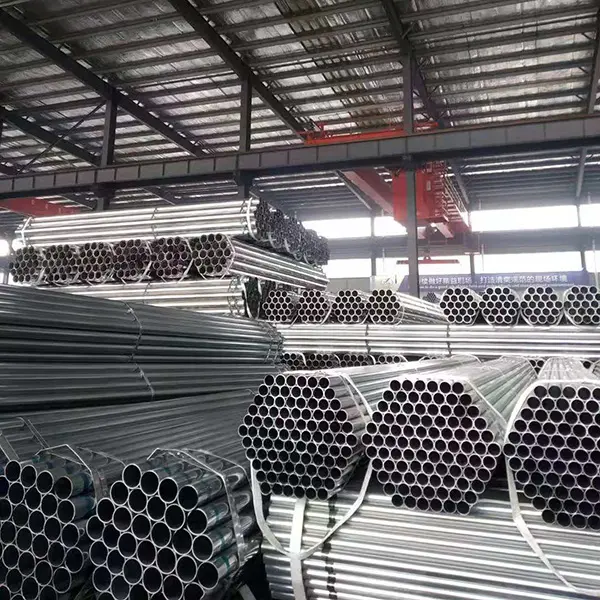
Galvanized steel pipe relies on a zinc coating for corrosion protection. This coating acts as a sacrificial anode, corroding preferentially to the underlying steel. The manufacturing process typically involves hot-dip galvanization, where steel pipe is immersed in molten zinc. The metallurgical structure of the steel substrate is crucial; higher carbon content steels are more susceptible to corrosion even with galvanization. Copper pipe manufacturing typically utilizes extrusion or drawing processes. Copper alloys, such as Type L (99.9% copper), Type K (99.9% copper, thicker walls), and Type M (99.9% copper, thinner walls), offer varying degrees of strength and pressure ratings. Key parameters in copper pipe manufacturing include annealing temperature, drawing speed, and final diameter tolerances. The creation of a strong bond during soldering or brazing is critical. Flux composition plays a vital role in removing oxides and enabling proper wetting of the copper surfaces. The presence of contaminants during these processes can lead to localized corrosion and premature failure. Zinc coatings on galvanized steel can contain lead, which necessitates specific handling and disposal procedures, adding to lifecycle costs and environmental concerns. Copper, being a relatively pure metal, lacks these contaminants, simplifying end-of-life management.
Performance & Engineering
The transition from galvanized steel to copper necessitates a comprehensive engineering analysis. Galvanized steel exhibits a lower modulus of elasticity than copper, influencing its response to pressure fluctuations and thermal expansion/contraction. Force analysis must account for internal fluid pressure, external loads (e.g., pipe supports), and temperature variations. Copper's higher thermal conductivity facilitates efficient heat transfer, advantageous in HVAC systems but also requiring consideration for condensation control. Electrochemical corrosion is a significant concern when connecting dissimilar metals like galvanized steel and copper directly. Galvanic corrosion occurs because of the potential difference between the two metals in the presence of an electrolyte. This can be mitigated by using dielectric unions or short nipples of a third, compatible metal (e.g., brass) to isolate the two materials. Copper also demonstrates superior resistance to erosion corrosion, particularly in applications involving abrasive fluids. Compliance requirements, such as those outlined by the Plumbing and Drainage Institute (PDI) and relevant local building codes, mandate specific material selections and installation practices. Furthermore, seismic design considerations dictate appropriate pipe support systems and flexible connectors to accommodate ground movement. The higher cost of copper is often offset by its longer service life, reduced maintenance requirements, and improved reliability, leading to lower total cost of ownership.
Technical Specifications
| Parameter | Galvanized Steel (Typical) | Copper Type L (Typical) | Copper Type K (Typical) |
|---|---|---|---|
| Tensile Strength (MPa) | 400-550 | 205-240 | 205-240 |
| Yield Strength (MPa) | 250-350 | 70-90 | 70-90 |
| Thermal Conductivity (W/m·K) | 45-55 | 401 | 401 |
| Corrosion Rate (mm/year) | 0.05-0.5 (depending on environment) | 0.001-0.005 | 0.001-0.005 |
| Density (kg/m³) | 7850 | 8960 | 8960 |
| Pressure Rating (MPa) | Variable, dependent on wall thickness & diameter | Variable, dependent on wall thickness & diameter | Variable, dependent on wall thickness & diameter (higher than Type L) |
Failure Mode & Maintenance
Galvanized steel pipe is prone to several failure modes. Uniform corrosion, resulting from the gradual degradation of the zinc coating and underlying steel, is common in aggressive environments. Pitting corrosion, localized attack due to chloride ions or other aggressive species, can lead to pinhole leaks. Fatigue cracking can occur under cyclic loading, especially at joints or bends. The zinc coating can also blister and flake, reducing its protective effectiveness. Copper pipe failures are less frequent but can include dezincification (loss of zinc from brass alloys), erosion corrosion, and crevice corrosion (occurring in stagnant areas). Maintenance of galvanized steel systems requires regular inspection for corrosion and recoating as needed. Copper systems require periodic checks for leaks and proper functioning of dielectric unions. Hard water scaling can reduce flow rates in copper pipes and necessitates occasional flushing or chemical cleaning. Electrolytic grounding practices must be carefully monitored to prevent stray currents from accelerating corrosion. When transitioning between materials, proper joint preparation and the use of compatible fittings are essential to prevent galvanic corrosion and ensure long-term system integrity.
Industry FAQ
Q: What are the primary advantages of switching from galvanized steel to copper in a potable water system?
A: The primary advantage is improved water quality and system reliability. Copper doesn’t contribute to scale buildup like galvanized steel, resulting in better flow rates and reduced risk of lead contamination (often present as an impurity in galvanized coatings). Copper’s superior corrosion resistance also extends the system’s lifespan and minimizes maintenance requirements, reducing lifecycle costs.
Q: How do I mitigate galvanic corrosion when connecting copper to existing galvanized steel piping?
A: The most effective method is to physically isolate the two metals using dielectric unions. These unions incorporate a non-conductive barrier to prevent the flow of electrons between the metals. Alternatively, a short section of brass pipe can be used as an intermediary. Avoid direct threading of copper into galvanized steel.
Q: What is the impact of water pH on the corrosion rate of both galvanized steel and copper?
A: Low pH (acidic water) significantly accelerates corrosion of both materials. For galvanized steel, acidic water dissolves the protective zinc coating more rapidly. For copper, low pH can lead to pitting corrosion. Maintaining a neutral to slightly alkaline pH is crucial for maximizing the lifespan of both systems.
Q: Are there specific soldering techniques required when working with copper piping to ensure joint integrity?
A: Proper cleaning and flux application are paramount. The pipe and fitting surfaces must be thoroughly cleaned to remove oxides and contaminants. Use a flux appropriate for the specific copper alloy being used. Ensure adequate heat is applied to the fitting, not directly to the solder. Allow the joint to cool naturally; do not quench it with water.
Q: What are the considerations for grounding a plumbing system that incorporates both galvanized steel and copper piping?
A: Grounding a mixed-metal plumbing system requires careful planning to prevent stray current corrosion. Ideally, the systems should be bonded together using a dedicated grounding conductor. Avoid using the plumbing system as the primary grounding path for electrical circuits. Consult with a qualified electrician to ensure compliance with local electrical codes.
Conclusion
The transition from galvanized steel to copper piping represents a significant upgrade in performance, durability, and long-term cost-effectiveness. While the initial investment for copper may be higher, its superior corrosion resistance, reduced maintenance needs, and improved water quality contribute to a lower total cost of ownership. Understanding the material science principles, engineering considerations, and potential failure modes associated with each material is paramount for successful implementation and sustained system reliability.
Future developments in corrosion-resistant alloys and advanced joining techniques will continue to refine best practices in piping system design. Proactive monitoring of water chemistry and adherence to industry standards are essential for maximizing the lifespan of both galvanized steel and copper systems. The selection of appropriate materials and installation practices remains a critical factor in ensuring safe, efficient, and sustainable infrastructure.
