

Introduction
Galvanized pipe, specifically hot-dip galvanized steel pipe, has historically been a cornerstone material for potable water distribution systems, and continues to find application in fire suppression, irrigation, and various industrial fluid transport scenarios. Its prevalence stems from the cost-effectiveness of steel combined with the protective zinc coating which imparts corrosion resistance. Positioned within the broader metallic piping industry, galvanized pipe competes with copper, PVC, PEX, and stainless steel, each possessing unique attributes concerning cost, longevity, and compatibility with different fluid types. Core performance characteristics include pressure bearing capacity (defined by schedule and diameter), corrosion resistance (dependent on zinc coating thickness and environmental factors), and threadability for secure joining. However, long-term performance is increasingly scrutinized due to concerns surrounding lead content in galvanized steel, scale buildup reducing internal diameter, and potential for localized corrosion. This guide provides an in-depth technical analysis of galvanized pipe for water lines, covering material science, manufacturing processes, performance engineering, failure modes, and applicable industry standards.
Material Science & Manufacturing
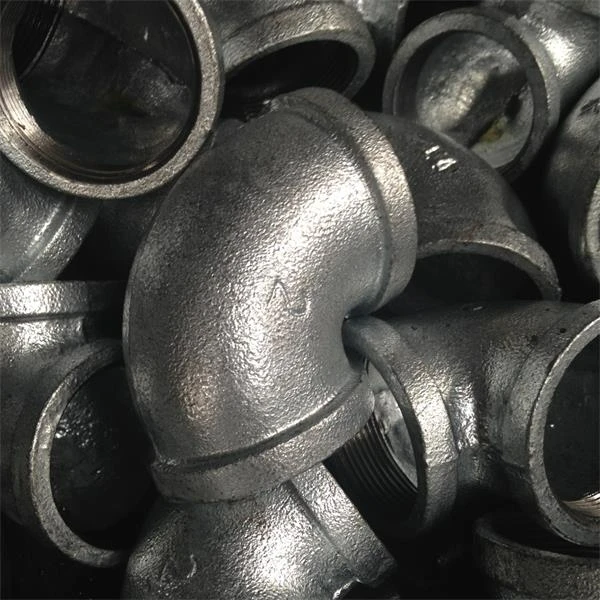
Galvanized pipe is manufactured from carbon steel, typically ASTM A53 Grade B, chosen for its ductility and weldability. The steel’s composition consists primarily of iron, with varying percentages of carbon (generally less than 0.30%), manganese, silicon, phosphorus, and sulfur. The key to galvanized pipe’s corrosion resistance lies in the hot-dip galvanization process. This involves immersing the cleaned steel pipe into a molten zinc bath (typically 98% pure zinc) at a temperature of around 450°C (842°F). A metallurgical reaction occurs, forming a series of zinc-iron alloy layers, followed by an outer layer of pure zinc. These layers provide both barrier protection (preventing direct contact between the steel and the corrosive environment) and sacrificial protection (the zinc corrodes preferentially, protecting the underlying steel). The coating thickness is a critical parameter, typically ranging from 0.0028 to 0.0064 inches (70 to 160 μm) for Schedule 40 pipe. Manufacturing processes also include seamless and welded construction. Seamless pipes are extruded, offering higher pressure ratings and improved resistance to stress corrosion cracking. Welded pipes, produced by electric resistance welding (ERW) or spiral welding, are more cost-effective but require careful weld seam inspection and quality control. Post-galvanization, pipes undergo threading, grooving, or coating for specific applications. Parameter control during galvanization, including steel surface preparation (pickling, fluxing), bath temperature, immersion time, and cooling rate, are paramount for achieving a uniform and adherent zinc coating.
Performance & Engineering
The performance of galvanized pipe in water line applications is governed by several engineering considerations. Internal pressure dictates the required pipe schedule (wall thickness) and diameter, calculated using Barlow’s formula: P = (2St)/D, where P is internal pressure, S is allowable stress, t is wall thickness, and D is outer diameter. External loads, such as soil pressure for buried lines or weight from overhead supports, must also be accounted for to prevent buckling or deformation. Corrosion resistance is directly correlated to the zinc coating's integrity. Environmental factors such as soil resistivity, moisture content, and chloride concentration significantly impact the corrosion rate. Sacrificial protection diminishes over time as the zinc coating is consumed. Galvanic corrosion can occur when galvanized pipe is directly connected to dissimilar metals (e.g., copper) in the presence of an electrolyte (water). This accelerates corrosion of the more anodic metal (typically the galvanized steel). Scale buildup, primarily composed of calcium and magnesium carbonates, is a common issue, reducing flow rate and internal diameter over time. Furthermore, the presence of lead in some galvanized pipe (from leaded steel used in the past) necessitates careful consideration, particularly in potable water systems, to comply with regulatory limits. Engineers must also consider thermal expansion and contraction, implementing expansion loops or flexible joints to mitigate stress on the piping system. Compliance requirements are stringent, adhering to plumbing codes (e.g., UPC, IPC) and water quality standards (e.g., NSF/ANSI 61).
Technical Specifications
| Parameter | Schedule 40 (Typical) | Schedule 80 (Typical) | ASTM A53 Grade B (Steel) | Zinc Coating Thickness (ASTM A153) |
|---|---|---|---|---|
| Material | Carbon Steel (A53 Gr. B) | Carbon Steel (A53 Gr. B) | Carbon Steel | Zinc (98% purity) |
| Yield Strength (MPa) | 250 | 250 | 250 | N/A |
| Tensile Strength (MPa) | 400 | 400 | 400 | N/A |
| External Diameter (inches) | Varies (e.g., 0.840" for 1/2") | Varies (e.g., 0.840" for 1/2") | Varies based on size | N/A |
| Wall Thickness (inches) | 0.083" (1/2" pipe) | 0.109" (1/2" pipe) | Varies based on size | N/A |
| Coating Weight (oz/ft²) | 1.25 - 1.85 | 1.25 - 1.85 | N/A | G90 (Minimum 1.25 oz/ft²) |
Failure Mode & Maintenance
Galvanized pipe is susceptible to several failure modes. Uniform corrosion, while slowed by the zinc coating, eventually occurs as the zinc is depleted. Localized corrosion, such as pitting corrosion, is exacerbated by defects in the zinc coating, chlorides, or galvanic coupling. Corrosion products (zinc oxides and hydroxides) can accumulate, leading to reduced flow and potential blockage. Fatigue cracking can occur in areas subjected to cyclic stress, particularly at threaded connections. Scale buildup, as previously mentioned, reduces internal diameter and promotes under-deposit corrosion. Mechanical damage, such as impact or bending, can compromise the pipe’s integrity. A significant concern is red rust, indicating failure of the zinc coating and subsequent corrosion of the underlying steel. Maintenance strategies include regular inspection for signs of corrosion, scale buildup, and leaks. Cathodic protection, using sacrificial anodes or impressed current systems, can extend the lifespan of buried galvanized pipe. Internal cleaning, using mechanical brushes or chemical descalers, can remove scale buildup. For minor corrosion, localized repairs using epoxy coatings or pipe clamps can provide temporary solutions. However, extensive corrosion typically necessitates pipe replacement. In potable water systems, flushing to remove sediment and ensure water quality is essential. Routine water testing for lead content is also recommended, especially in older systems. Proper jointing techniques, using appropriate thread sealants and avoiding direct contact with dissimilar metals, are critical for preventing premature failure.
Industry FAQ
Q: What is the typical lifespan of a galvanized pipe water line?
A: The lifespan varies significantly based on environmental conditions, water quality, and maintenance practices. However, a well-maintained galvanized pipe system can realistically last 40-50 years. In highly corrosive environments (e.g., acidic soil, high chloride content), the lifespan can be reduced to 20-30 years. Regular inspection and maintenance are crucial for maximizing service life.
Q: How does the zinc coating prevent corrosion?
A: The zinc coating provides two primary mechanisms of corrosion protection: barrier protection and sacrificial protection. Barrier protection physically isolates the steel from the corrosive environment. Sacrificial protection occurs because zinc is more electrochemically active than steel, meaning it corrodes preferentially, protecting the steel even if the coating is scratched or damaged.
Q: Is galvanized pipe suitable for all water types?
A: Galvanized pipe is generally suitable for potable water, irrigation water, and some industrial fluids. However, it is not recommended for highly acidic or alkaline water, or water with high chloride concentrations, as these accelerate corrosion. Compatibility should be carefully assessed based on the specific water chemistry.
Q: What are the alternatives to galvanized pipe for water lines?
A: Common alternatives include copper, CPVC, PEX, and stainless steel. Copper offers excellent corrosion resistance but is more expensive. CPVC is a durable plastic but has temperature limitations. PEX is flexible and easy to install but may be susceptible to UV degradation. Stainless steel provides superior corrosion resistance but is the most expensive option.
Q: What are the lead concerns associated with galvanized pipe?
A: Historically, some galvanized steel contained lead as an alloying element. While modern manufacturing processes have significantly reduced lead content, older galvanized pipe systems may still pose a risk of lead leaching into the water supply. Regular water testing for lead is essential, and lead-free fittings should be used for any repairs or replacements.
Conclusion
Galvanized pipe remains a viable option for water line applications, particularly where cost-effectiveness and established installation practices are priorities. However, its long-term performance is contingent upon understanding its inherent limitations, including susceptibility to corrosion, scale buildup, and potential lead contamination. Careful material selection, proper installation techniques, and diligent maintenance are essential for maximizing the lifespan and ensuring the reliability of galvanized pipe systems.
Looking forward, advancements in zinc alloy coatings, coupled with improved corrosion monitoring technologies, may enhance the durability of galvanized pipe. Furthermore, ongoing research into mitigating the effects of scale buildup and addressing lead concerns will be crucial for maintaining its relevance in the evolving landscape of water distribution infrastructure. A thorough lifecycle cost analysis, considering both initial investment and long-term maintenance expenses, is paramount when evaluating galvanized pipe against alternative materials.