

Introduction
Galvanized seamless steel pipe is a hollow structural element formed by hot or cold processing of steel, followed by a galvanization process – typically hot-dip galvanization – to impart corrosion resistance. It occupies a critical position within the infrastructure and industrial sectors, serving as a foundational component in fluid transport, structural support, and various mechanical applications. Unlike welded pipes, the seamless construction eliminates the weld seam, enhancing its pressure-bearing capacity and overall structural integrity. Core performance characteristics include its strength-to-weight ratio, resistance to corrosion, and ability to withstand high temperatures and pressures, making it essential in industries such as oil & gas, water distribution, construction, and automotive manufacturing. Its technical importance stems from its ability to provide a reliable and long-lasting solution in harsh environments where material degradation is a significant concern. The industry faces persistent challenges related to maintaining consistent galvanization thickness, preventing hydrogen embrittlement during the galvanizing process, and ensuring dimensional accuracy.
Material Science & Manufacturing
The primary raw material for galvanized seamless steel pipe is carbon steel, typically ASTM A53 Grade B or similar specifications. The steel's composition dictates its mechanical properties, including yield strength, tensile strength, and ductility. Key elements impacting these properties include carbon content, manganese, phosphorus, and sulfur. Low carbon content promotes weldability and formability, while manganese enhances strength and hardness. Phosphorus and sulfur, however, are undesirable elements, contributing to brittleness. Manufacturing begins with the production of steel billets, which are then heated and pierced to create a hollow tube using the Mannesmann process or similar techniques. This method involves rotary piercing, where a mandrel is forced through a rotating billet, forming the seamless tube. Subsequent drawing and rolling operations refine the dimensions and wall thickness. The final step is hot-dip galvanization, where the steel pipe is immersed in a molten zinc bath (typically 98% pure zinc). Critical parameters during galvanization include bath temperature (around 450-460°C), immersion time, and cooling rate. Controlling these parameters is essential to achieve uniform coating thickness and minimize defects like uneven galvanization, spangling irregularities, and potential hydrogen embrittlement. Pre-treatment, including pickling (using hydrochloric or sulfuric acid) and fluxing (typically zinc ammonium chloride), prepares the steel surface for optimal zinc adhesion. Post-treatment processes, such as quenching and passivation, further enhance the coating’s protective qualities.
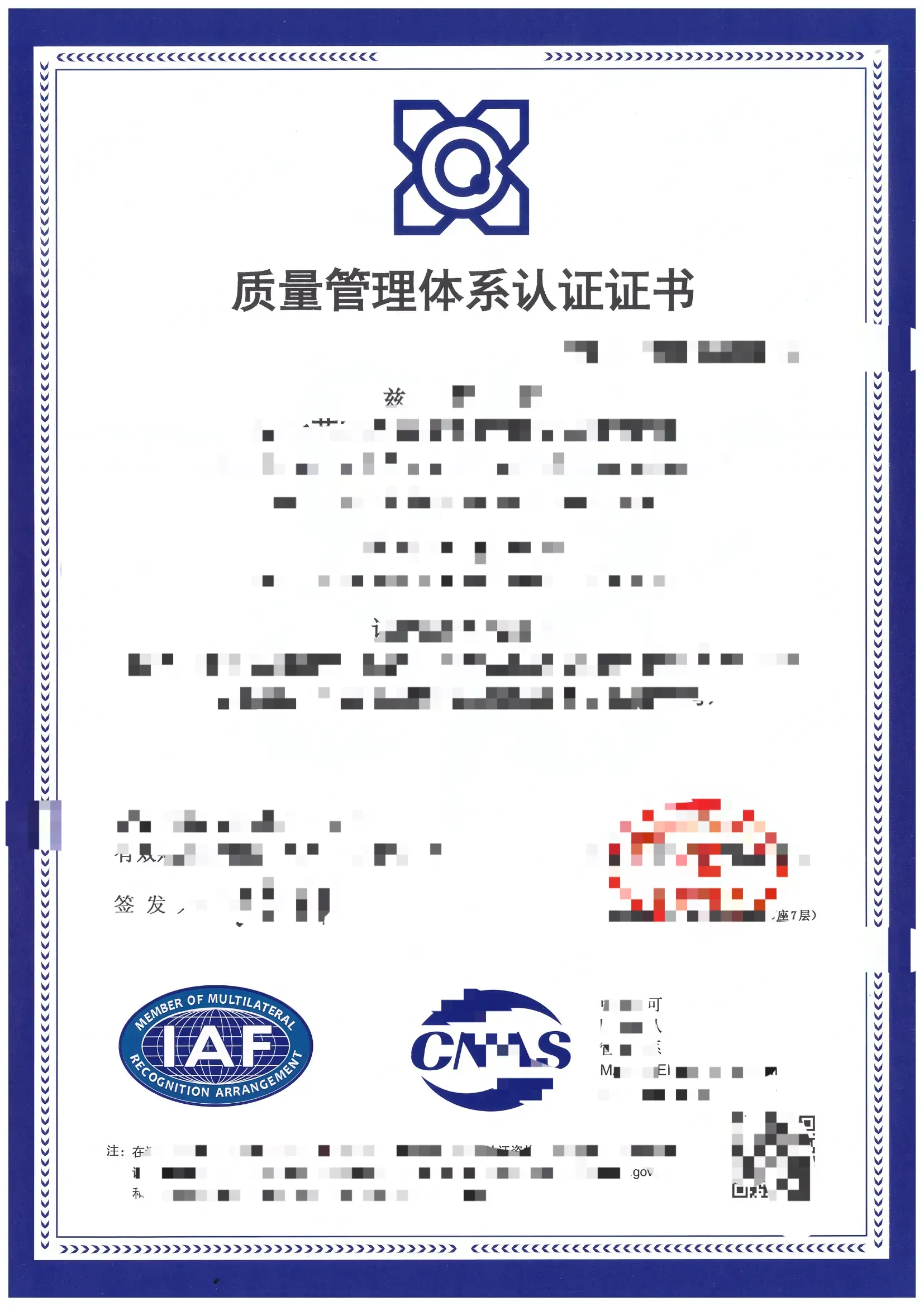
Performance & Engineering
The performance of galvanized seamless steel pipe is governed by several engineering considerations. Structural analysis, including stress-strain calculations, is crucial for determining the pipe’s load-bearing capacity under various conditions, such as internal pressure, bending moments, and axial loads. Finite Element Analysis (FEA) is frequently employed to simulate these scenarios and optimize pipe dimensions. Corrosion resistance is paramount, and the zinc coating provides sacrificial protection to the underlying steel. The rate of zinc corrosion depends on environmental factors, including humidity, salinity, and exposure to pollutants. Environmental resistance also includes evaluating resistance to UV degradation of any coatings applied over the galvanization. Compliance with industry standards, such as ASTM A53, API 5L, and EN 10208, is essential to ensure product quality and safety. These standards specify requirements for chemical composition, mechanical properties, dimensional tolerances, and testing procedures. Hydrogen embrittlement, a potential failure mechanism during galvanization, is mitigated through careful control of the galvanizing process, including the use of inhibitors and post-treatment processes like baking to diffuse hydrogen from the steel. Furthermore, the pipe's thermal expansion coefficient must be considered in applications involving temperature fluctuations to prevent stress buildup and potential failure. Fatigue analysis is essential for applications involving cyclical loading, predicting the lifespan of the pipe under repeated stress.
Technical Specifications
| Parameter | ASTM A53 Grade B | API 5L X42 | EN 10208-2 S235JR |
|---|---|---|---|
| Yield Strength (MPa) | 250 | 345 | 235 |
| Tensile Strength (MPa) | 400 | 485 | 360 |
| Wall Thickness (mm) | 2-25 | 2-25 | 2-25 |
| Outside Diameter (mm) | 1/2" - 8" (12.7 – 219.1) | 4" - 48" (101.6 – 1219.2) | 1/2" – 6" (12.7 - 168.3) |
| Zinc Coating Thickness (µm) | 55-85 | 55-85 | 45-70 |
| Elongation (%) | 20 | 22 | 16 |
Failure Mode & Maintenance
Galvanized seamless steel pipe can experience several failure modes. Corrosion, despite the protective zinc coating, remains a primary concern, particularly in aggressive environments. Localized corrosion, such as pitting and crevice corrosion, can occur due to imperfections in the coating or exposure to chlorides. Hydrogen embrittlement, as previously mentioned, can lead to brittle fracture, especially under high stress. Mechanical damage, including dents, gouges, and cracks, can compromise the pipe’s structural integrity. Fatigue cracking can occur under cyclic loading, initiating at stress concentrators. Dezincification, a less common failure mode, involves the selective removal of zinc from the alloy, leaving behind a porous and weakened structure. Maintenance strategies include regular visual inspections to detect signs of corrosion or damage. Protective coatings, such as epoxy or polyurethane, can be applied over the galvanization to enhance corrosion resistance. Cathodic protection systems can be implemented to mitigate corrosion in buried pipelines. Routine pressure testing can identify leaks and structural weaknesses. If damage is detected, repairs may involve welding (using appropriate welding procedures to avoid compromising the galvanized coating) or pipe replacement. Maintaining accurate records of inspections, maintenance activities, and repairs is crucial for ensuring long-term reliability.
Industry FAQ
Q: What is the primary difference between hot-dip galvanization and electrogalvanization, and how does it impact the pipe's corrosion resistance?
A: Hot-dip galvanization results in a thicker, more robust zinc coating with superior corrosion protection compared to electrogalvanization. The hot-dip process creates a metallurgical bond between the zinc and the steel, forming a series of zinc-iron alloy layers. Electrogalvanization produces a thinner, more uniform coating but lacks the same level of metallurgical bonding, rendering it less resistant to severe corrosion. While electrogalvanization is suitable for applications with mild corrosion exposure, hot-dip galvanization is preferred for demanding environments.
Q: How does the carbon content of the steel affect its suitability for galvanization and its overall performance?
A: Higher carbon content in the steel can increase its hardness and strength but reduces its weldability and formability, making it more prone to cracking during the galvanizing process. Additionally, high carbon steels can be susceptible to hydrogen embrittlement. Typically, lower carbon steels (like ASTM A53 Grade B) are preferred for galvanization because they offer a better balance of strength, weldability, and resistance to hydrogen embrittlement.
Q: What are the key considerations when selecting a galvanized seamless steel pipe for high-pressure applications?
A: For high-pressure applications, it's critical to consider the pipe's yield strength, tensile strength, and wall thickness. The pipe must be designed with a sufficient safety factor to withstand the maximum operating pressure. Seamless construction is essential to avoid weld seam failures. Material certification verifying compliance with relevant standards (e.g., API 5L) is also vital. Non-destructive testing methods, such as ultrasonic testing, should be used to detect any internal flaws or imperfections.
Q: What steps can be taken to prevent or mitigate hydrogen embrittlement during the galvanizing process?
A: Preventing hydrogen embrittlement involves carefully controlling the galvanizing process parameters. This includes using clean pickling solutions, minimizing immersion time in the zinc bath, and employing inhibitors to reduce hydrogen absorption. Post-galvanizing baking (heating the pipe to a specific temperature for a defined duration) is crucial to diffuse absorbed hydrogen out of the steel. Selecting appropriate steel grades with lower susceptibility to hydrogen embrittlement also helps.
Q: How do environmental regulations impact the use and disposal of galvanized steel pipe?
A: Environmental regulations increasingly focus on the management of zinc-containing waste generated during the manufacturing, use, and disposal of galvanized steel. Regulations related to air emissions from galvanizing plants, wastewater discharge, and the handling of zinc ash are becoming stricter. Recycling of galvanized steel is encouraged to recover zinc and reduce landfill waste. In some cases, restrictions may apply to the use of galvanized steel in certain sensitive environments, such as potable water systems, due to concerns about zinc leaching.
Conclusion
Galvanized seamless steel pipe remains a vital material in numerous industrial and infrastructure applications due to its inherent strength, corrosion resistance, and cost-effectiveness. The manufacturing process, from steel billet production to galvanization, requires precise control of parameters to ensure optimal performance and longevity. Understanding the potential failure modes – corrosion, hydrogen embrittlement, and mechanical damage – is critical for implementing effective maintenance strategies.
Adherence to industry standards (ASTM, API, EN) is paramount for ensuring product quality and safety. Future advancements in materials science and coating technologies are likely to further enhance the performance and sustainability of galvanized seamless steel pipe, addressing emerging environmental concerns and extending its service life. Continued research into alternative corrosion protection methods and improved galvanization techniques will remain crucial for maintaining its position as a preferred material in demanding applications.
