
Introduction
Galvanized square tubing represents a critical component in a diverse array of structural applications, spanning construction, automotive, agriculture, and manufacturing. Its prevalence stems from a cost-effective combination of high strength-to-weight ratio and corrosion resistance. This technical guide provides an in-depth exploration of galvanized square tubing, focusing on the factors influencing price, material properties, manufacturing processes, performance characteristics, potential failure modes, and relevant industry standards. Price fluctuations are frequently encountered due to raw material costs (steel composition, zinc levels), manufacturing complexities, market demand, and geographic location. Understanding these dynamics is paramount for procurement professionals and engineers aiming for informed decision-making. The primary function of galvanization – the application of a protective zinc coating – significantly impacts the longevity and operational cost-effectiveness of the tubing, making a detailed understanding of the process essential. This document aims to provide a comprehensive technical foundation for evaluating galvanized square tubing within the broader context of structural integrity and long-term performance.
Material Science & Manufacturing
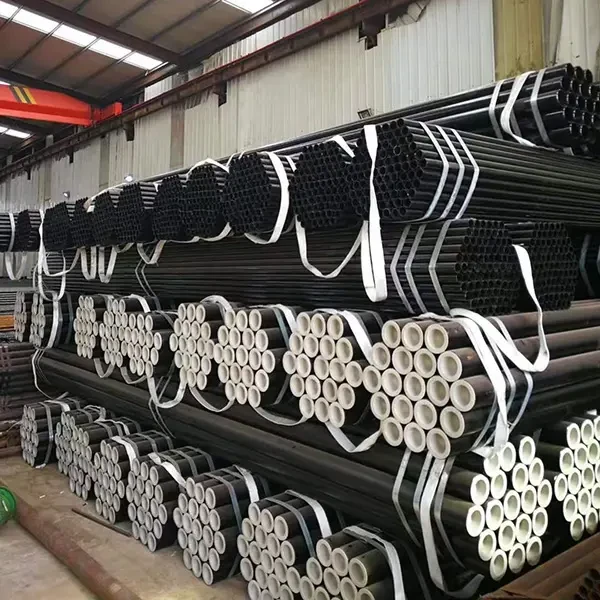
The base material for galvanized square tubing is typically carbon steel, with common grades including A53, A36, and 1018. The steel's inherent properties – tensile strength, yield strength, and ductility – dictate the tubing's load-bearing capacity. Manufacturing begins with steel coil or sheet, which undergoes forming processes such as roll forming or cold drawing to achieve the square profile. Welding, often employing Electric Resistance Welding (ERW) or High-Frequency Induction Welding (HFIW), joins the edges to create the seamless tubing. Key parameters during welding include current, voltage, and welding speed, directly influencing weld integrity and structural soundness. Following forming and welding, the tubing undergoes surface preparation, crucial for galvanization adhesion. This involves pickling (acid cleaning to remove mill scale), fluxing (application of a chemical to promote zinc bonding), and rinsing. The galvanization process itself typically utilizes hot-dip galvanizing, immersing the steel tubing in a molten zinc bath. The zinc-iron alloy layer formed provides sacrificial corrosion protection. Coating thickness, measured in zinc weight per unit area (e.g., G90, G100), directly correlates with the level of corrosion resistance. Factors influencing the metallurgical structure of the galvanized layer include steel composition, zinc bath temperature, and immersion time. Post-galvanization, the tubing may undergo quality control inspections, including coating thickness measurements, visual inspections for defects (e.g., bare spots, blisters), and potentially metallographic analysis.
Performance & Engineering
Performance analysis of galvanized square tubing centers on its structural integrity under load and its resistance to environmental degradation. Force analysis, employing Finite Element Analysis (FEA), is crucial for determining the tubing's capacity to withstand bending moments, shear forces, and axial loads. Factors considered include tubing dimensions (wall thickness, side length), material properties (yield strength, modulus of elasticity), and loading conditions. Environmental resistance is primarily dictated by the zinc coating, protecting the underlying steel from corrosion. However, the rate of zinc corrosion depends on environmental factors such as humidity, salinity, and atmospheric pollutants (sulfur dioxide, chlorides). Galvanic corrosion, occurring when dissimilar metals are in contact in the presence of an electrolyte, must also be considered. Design engineers often specify coatings beyond galvanization – such as epoxy or polyurethane – for enhanced corrosion protection in particularly harsh environments. Compliance requirements vary depending on the application. For structural applications, adherence to building codes (e.g., IBC, AISC) is mandatory, specifying minimum material properties and design factors. For automotive applications, compliance with industry standards (e.g., SAE) is critical. Furthermore, the tubing’s weld integrity is paramount; non-destructive testing methods (e.g., ultrasonic testing, radiographic testing) are employed to ensure weld quality and eliminate defects. The differential thermal expansion between steel and zinc must also be accounted for in designs exposed to extreme temperature fluctuations to prevent coating cracking.
Technical Specifications
| Parameter | Typical Value (A53 Grade B, G90 Galvanization) | ASTM Standard | Unit |
|---|---|---|---|
| Yield Strength | 250 | A53/A53M-12 | MPa |
| Tensile Strength | 450 | A53/A53M-12 | MPa |
| Zinc Coating Weight | 90 | A123/A123M-17 | g/m² |
| Wall Thickness | 2.0 - 6.35 | A53/A53M-12 | mm |
| Side Length | 25 - 150 | Customizable | mm |
| Elongation | 22 | A53/A53M-12 | % |
Failure Mode & Maintenance
Galvanized square tubing can experience several failure modes. Uniform corrosion, although mitigated by galvanization, still occurs over time, gradually reducing wall thickness. Pitting corrosion, localized attack due to imperfections in the zinc coating or chloride contamination, can lead to rapid penetration. Crevice corrosion, occurring in shielded areas with stagnant solutions, is also a concern. Fatigue cracking, resulting from cyclic loading, initiates at stress concentrators (e.g., welds, notches). Weld defects, such as porosity or incomplete fusion, significantly reduce fatigue life. Hydrogen embrittlement, induced by hydrogen diffusion into the steel during pickling or galvanization, can decrease ductility and promote cracking. Mechanical damage, such as dents or scratches, can compromise the zinc coating and initiate corrosion. Maintenance strategies include regular visual inspections for signs of corrosion or damage. Protective coatings (epoxy, polyurethane) can be applied to extend service life, particularly in harsh environments. Damaged or corroded sections should be repaired or replaced promptly. Proper drainage should be ensured to prevent water accumulation, which accelerates corrosion. Periodic cleaning to remove dirt, debris, and corrosive contaminants is also recommended. Furthermore, proper storage of tubing before use – protecting it from moisture and direct contact with dissimilar metals – is crucial for maintaining its integrity.
Industry FAQ
Q: What is the impact of steel grade on the price of galvanized square tubing?
A: Higher strength steel grades, like those meeting more stringent ASTM specifications, typically command a premium due to the increased alloying elements and more controlled manufacturing processes involved. Grades with improved weldability also contribute to higher costs. Furthermore, the availability of specific grades can fluctuate, impacting pricing based on supply and demand.
Q: How does the thickness of the galvanized coating affect the overall cost?
A: Increasing the zinc coating weight (e.g., from G60 to G100) directly increases the amount of zinc consumed during the galvanization process, adding to the material cost. While offering enhanced corrosion protection, thicker coatings necessitate longer immersion times and more precise process control, ultimately influencing the tubing’s price.
Q: What is the typical lead time for custom-sized galvanized square tubing orders?
A: Lead times vary considerably depending on order quantity, size specifications, and manufacturer capacity. Custom sizes often require tooling changes and specialized production runs, typically extending lead times to 4-8 weeks. Larger orders generally have longer lead times due to increased production volume.
Q: Are there significant price differences between domestic and imported galvanized square tubing?
A: Imported tubing, particularly from regions with lower labor and material costs, can often be priced more competitively. However, factors like shipping costs, tariffs, and potential quality control issues must be carefully considered. Domestic sourcing offers advantages in terms of lead time, quality assurance, and supply chain reliability.
Q: How does market demand influence the price of galvanized square tubing?
A: Galvanized square tubing prices are susceptible to fluctuations in overall steel demand, particularly from the construction and automotive sectors. Increased demand drives up raw material prices and manufacturing capacity constraints, leading to price increases. Conversely, periods of lower demand often result in price reductions.
Conclusion
Galvanized square tubing’s price is a complex interplay of material composition, manufacturing process, coating specifications, and broader market forces. Understanding these factors is crucial for informed procurement and engineering decisions. The inherent corrosion resistance provided by galvanization offers substantial long-term cost benefits, but careful consideration of environmental conditions and potential failure modes is essential to maximize service life.
Future trends in galvanized square tubing will likely focus on developing more sustainable and environmentally friendly galvanization processes, exploring alternative coatings with enhanced performance characteristics, and employing advanced manufacturing techniques to improve dimensional accuracy and material properties. Furthermore, increasing emphasis on lifecycle cost analysis will drive demand for high-quality, durable tubing that minimizes long-term maintenance and replacement costs.
