
Introduction
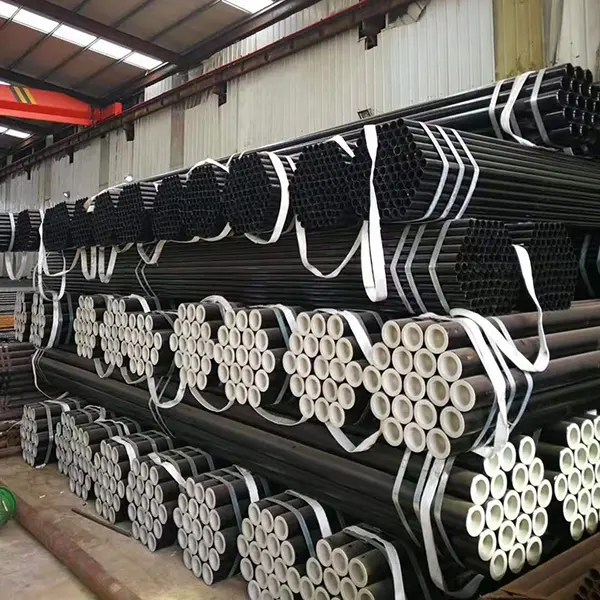
Galvanized steel pipe, specifically size 3/4 inch, represents a critical component in fluid and gas conveyance systems across numerous industrial and commercial applications. This material is characterized by a carbon steel base pipe coated with a layer of zinc through a galvanization process – typically hot-dip galvanization. This zinc coating provides sacrificial protection, preventing corrosion of the underlying steel. Its widespread adoption stems from a balance of cost-effectiveness, mechanical strength, and corrosion resistance. Within the industry chain, galvanized steel pipe occupies a position downstream of steel production and galvanization facilities, serving as a fundamental building block for plumbing, fire suppression systems, structural supports, and various other infrastructure projects. Core performance characteristics include pressure containment, fluid flow capacity, weldability (depending on zinc coating specifics), and long-term durability in exposed environments. The 3/4" size is a commonly used dimension balancing flow rate requirements with ease of installation and cost.
Material Science & Manufacturing
The base material for galvanized steel pipe is typically carbon steel, conforming to standards such as ASTM A53 Grade B or API 5L. These steels possess a specific chemical composition tailored for formability and weldability, comprising primarily iron with controlled percentages of carbon, manganese, phosphorus, and sulfur. The mechanical properties of the steel, including yield strength, tensile strength, and elongation, are critical and directly impact the pipe’s pressure-holding capacity. The galvanization process, predominantly hot-dip galvanizing, involves immersing the steel pipe in a molten zinc bath (typically 98% pure zinc). This creates a metallurgical bond between the zinc and the steel, forming a series of zinc-iron alloy layers topped with a pure zinc outer layer. Critical process parameters include bath temperature (around 450°C), immersion time, steel surface preparation (pickling to remove mill scale and oxides), and post-treatment (cooling, chromate conversion coating for enhanced corrosion resistance, though increasingly restricted due to environmental concerns). Manufacturing techniques involve Electric Resistance Welding (ERW) or seamless extrusion. ERW pipes are formed from steel strips rolled and welded longitudinally, while seamless pipes are produced by piercing and drawing a solid billet. Both methods require stringent quality control, including non-destructive testing (NDT) such as ultrasonic testing (UT) and radiographic testing (RT) to detect defects like porosity, inclusions, and weld imperfections. The thickness of the zinc coating is a crucial parameter, typically ranging from 55 to 85 microns for moderate corrosion environments, and verified through adherence to ASTM A123 standards.
Performance & Engineering
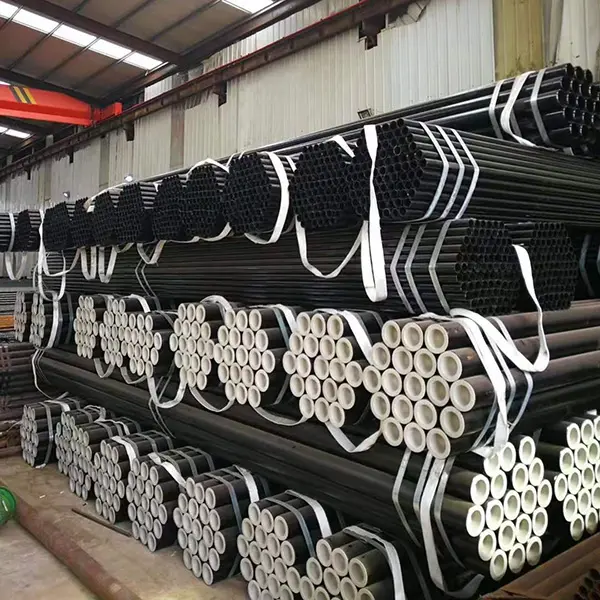
The performance of galvanized steel pipe is significantly influenced by its ability to withstand internal pressure and external loads. Hydrostatic testing, as per ASTM F467, is routinely performed to verify pressure containment capabilities. Force analysis involves calculating hoop stress (stress circumferential to the pipe) and longitudinal stress (stress along the pipe's length) under internal pressure, utilizing the Barlow’s formula and considering factors of safety. Environmental resistance is primarily dictated by the zinc coating’s protective capabilities. In atmospheric environments, zinc corrodes preferentially to the steel, providing cathodic protection. However, in prolonged exposure to saltwater or acidic conditions, the zinc coating will eventually deplete, leading to corrosion of the underlying steel. Factors such as humidity, temperature, and the presence of pollutants (sulfur dioxide, chlorides) accelerate corrosion rates. Compliance requirements vary depending on the application. Plumbing systems must adhere to codes like the International Plumbing Code (IPC) and local building regulations. Fire suppression systems are governed by standards such as NFPA 13. For structural applications, adherence to AISC specifications and relevant building codes is mandatory. The 3/4" nominal pipe size dictates an actual internal diameter of approximately 0.840 inches, impacting flow velocity and pressure drop calculations. Appropriate thread connection techniques, such as tapered threaded connections conforming to ANSI/ASME B1.20.1, are critical to maintaining structural integrity and preventing leaks.
Technical Specifications
| Parameter | ASTM A53 Grade B (Typical) | ASTM A123 (Galvanizing) | API 5L (Typical) |
|---|---|---|---|
| Nominal Pipe Size | 3/4 inch | 3/4 inch | 3/4 inch |
| Outside Diameter (inches) | 1.050 | 1.050 | 1.050 |
| Wall Thickness (inches) | 0.154 (Schedule 40) | 0.154 (Schedule 40) | 0.154 (Schedule 40) |
| Minimum Yield Strength (psi) | 36,000 | N/A | 35,000 |
| Minimum Tensile Strength (psi) | 60,000 | N/A | 65,000 |
| Zinc Coating Weight (oz/ft²) | N/A | 1.2 - 1.8 | N/A |
Failure Mode & Maintenance
Galvanized steel pipe is susceptible to several failure modes. Corrosion, despite the zinc coating, is the most prevalent, particularly in harsh environments. Crevice corrosion can occur in areas where water and debris accumulate, accelerating localized corrosion. Pitting corrosion leads to small, localized holes. Hydrogen embrittlement, a phenomenon where hydrogen atoms diffuse into the steel, can cause cracking, especially under high stress. Fatigue cracking can occur due to repeated stress cycles. Thread failure, caused by improper installation or excessive torque, is also common. Delamination of the zinc coating, due to poor surface preparation prior to galvanization, reduces its protective efficacy. Maintenance strategies include regular visual inspections for signs of corrosion, applying protective coatings (e.g., epoxy coatings) to areas where the zinc coating is damaged, and ensuring proper drainage to prevent water accumulation. For threaded connections, applying thread sealant and using appropriate torque values during installation is crucial. In environments with high chloride concentrations, cathodic protection systems may be considered. Periodic hydrostatic testing can verify the structural integrity of the pipe and identify potential leaks. If localized corrosion is observed, localized repairs using compatible materials or section replacement may be necessary. Removing rust and reapplying a zinc-rich primer followed by a protective topcoat extends service life.
Industry FAQ
Q: What is the difference between Schedule 40 and Schedule 80 galvanized steel pipe?
A: Schedule 40 and Schedule 80 refer to the pipe wall thickness. Schedule 80 pipes have thicker walls than Schedule 40 pipes, providing greater pressure-handling capabilities and mechanical strength. Schedule 40 is typically used for lower-pressure applications like general plumbing, while Schedule 80 is preferred for high-pressure systems, such as fire suppression, or applications requiring increased durability.
Q: How does the quality of the zinc coating affect the lifespan of the pipe?
A: The quality, thickness, and uniformity of the zinc coating are critical to the pipe's longevity. A thicker, more uniform coating provides greater sacrificial protection and extends the pipe’s resistance to corrosion. Factors like proper surface preparation before galvanization and adherence to ASTM A123 standards directly influence coating quality.
Q: Can galvanized steel pipe be welded? What considerations are important?
A: Yes, galvanized steel pipe can be welded, but it requires specific procedures due to the presence of zinc. The zinc vaporizes during welding, producing fumes that are hazardous to health and can weaken the weld. Proper ventilation and the use of zinc-coated welding rods are essential. Pre-grinding the galvanizing off the weld area is often recommended. Also, the heat-affected zone may experience reduced corrosion resistance.
Q: What are the environmental concerns associated with galvanized steel pipe, and are there alternatives?
A: Historically, chromate conversion coatings were used to enhance corrosion resistance, but these contain hexavalent chromium, a known carcinogen. Modern galvanizing processes often avoid chromates. Alternatives include stainless steel, plastic pipes (PVC, CPVC, PEX), and epoxy-coated steel pipe. The choice depends on the application requirements, budget, and environmental considerations.
Q: What is the typical service life of galvanized steel pipe in a standard indoor plumbing application?
A: In a standard indoor plumbing application with relatively benign water chemistry, galvanized steel pipe can have a service life of 40-70 years. However, aggressive water conditions (low pH, high chloride content) can significantly reduce this lifespan. Regular inspections and maintenance can help maximize the pipe’s service life.
Conclusion
Galvanized steel pipe 3/4" remains a workhorse material in a diverse range of industries due to its cost-effectiveness, adequate strength, and corrosion resistance. Understanding the underlying material science – the properties of carbon steel and the galvanization process – is fundamental to proper specification and application. The longevity and performance of this piping system are critically dependent on adherence to relevant industry standards, diligent manufacturing processes, and appropriate maintenance protocols, including addressing potential failure modes like corrosion and thread issues.
Looking ahead, the trend towards sustainable materials and stricter environmental regulations will likely drive increased adoption of alternative piping materials like stainless steel and advanced polymers, particularly in sensitive applications. However, galvanized steel pipe will continue to hold a significant market share in applications where its cost-benefit profile remains compelling. Continued research into advanced zinc coating technologies and corrosion inhibitors may further extend the lifespan and improve the sustainability of galvanized steel pipe systems.