
Introduction
Galvanized steel pipe, a cornerstone of fluid and gas conveyance systems across numerous industries, represents a cost-effective and corrosion-resistant solution. This technical guide provides an in-depth examination of the factors influencing the cost per foot of galvanized steel pipe, encompassing material science, manufacturing processes, performance characteristics, potential failure modes, and relevant industry standards. The price is intrinsically linked to steel market fluctuations, zinc coating thickness, pipe diameter, wall thickness (schedule), and manufacturing location. Understanding these nuances is critical for accurate budgeting and informed procurement decisions. The industry frequently encounters challenges related to accurately forecasting costs due to volatile raw material prices, especially zinc and steel billet, and the intricacies of calculating coating weights and adherence. This document aims to clarify these complexities, providing a comprehensive resource for engineers, procurement managers, and project stakeholders.
Material Science & Manufacturing
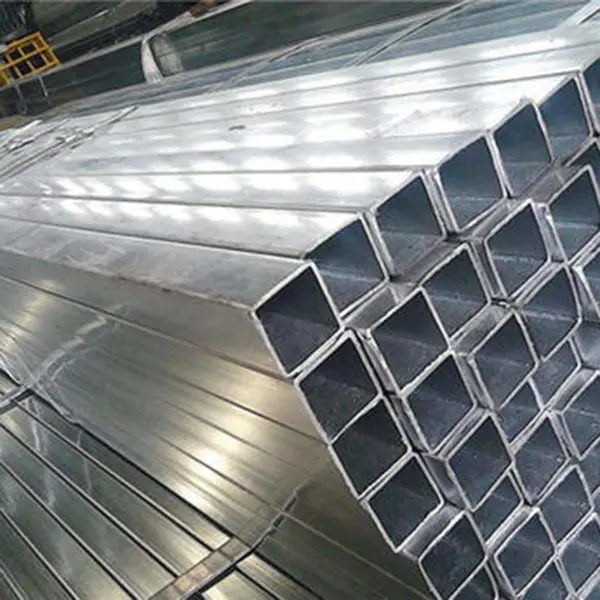
Galvanized steel pipe fundamentally comprises a carbon steel substrate, typically produced via Electric Resistance Welding (ERW) or seamless manufacturing processes. The carbon steel’s composition dictates its inherent strength and weldability. Common grades include A53 Grade B, A106 Grade B, and API 5L X42, each with varying chemical compositions impacting tensile strength, yield strength, and ductility. The galvanizing process involves immersing the steel pipe in a molten zinc bath, creating a metallurgical bond. This coating provides cathodic protection, sacrificing itself to prevent corrosion of the underlying steel. The thickness of the zinc coating, measured in ounces per square foot (oz/ft²), is a primary driver of cost and corrosion resistance. Common coating classes are R1 (0.9 oz/ft²), R2 (1.2 oz/ft²), and R3 (1.5 oz/ft²). Prior to galvanizing, rigorous surface preparation is essential – including pickling (acid cleaning), fluxing, and rinsing – to ensure optimal adhesion. Manufacturing parameter control, particularly in ERW processes, is critical to avoid weld defects which can compromise structural integrity and increase rejection rates, directly impacting cost. The steel billet composition, controlled by specifications like ASTM A53/A53M, significantly affects the finished pipe’s mechanical properties. Post-galvanizing inspections, including coating thickness measurements and adhesion tests (ASTM A780), are vital for quality control.
Performance & Engineering
The performance of galvanized steel pipe is dictated by its ability to withstand internal pressure, external loads, and corrosive environments. Force analysis, governed by ASME B31.1 (Power Piping) and ASME B31.3 (Process Piping) codes, determines the required wall thickness (schedule) based on operating pressure, temperature, and fluid type. The zinc coating’s protective efficacy is directly proportional to its thickness and uniformity. Galvanized steel exhibits excellent resistance to atmospheric corrosion, but its performance in harsh chemical environments (e.g., highly acidic or alkaline solutions) can be limited. Compliance with standards like NSF/ANSI 61 ensures the pipe’s suitability for potable water applications, restricting permissible levels of leachable metals. Environmental resistance is further enhanced by passivation layers that form on the zinc surface, slowing down the corrosion rate. Consideration must also be given to thermal expansion and contraction, which can induce stresses in long pipe runs, necessitating expansion joints or flexible connections. Hydrostatic testing (ASTM A1065) verifies the pipe’s structural integrity and leak tightness prior to installation. The long-term cost-benefit analysis must also account for maintenance requirements, including periodic inspections and potential recoating in severely corrosive environments.
Technical Specifications
| Parameter | Unit | A53 Grade B (Typical) | A106 Grade B (Typical) |
|---|---|---|---|
| Outside Diameter | inches | 0.5 – 4 | 0.5 – 4 |
| Wall Thickness (Schedule 40) | inches | 0.138 | 0.154 |
| Yield Strength | psi | 36,000 | 35,000 |
| Tensile Strength | psi | 58,000 | 60,000 |
| Zinc Coating Class | oz/ft² | R1 (0.9) - R3 (1.5) | R1 (0.9) - R3 (1.5) |
| Corrosion Resistance (Salt Spray Test) | hours | Up to 1200 (R3) | Up to 1200 (R3) |
Failure Mode & Maintenance
Galvanized steel pipe, despite its corrosion resistance, is susceptible to several failure modes. Uniform corrosion, while slow, gradually reduces wall thickness over time. Pitting corrosion, localized attack due to imperfections in the zinc coating or chloride contamination, can lead to rapid penetration. Crevice corrosion occurs in shielded areas where stagnant fluids accumulate. Hydrogen embrittlement, a less common but critical issue, arises from hydrogen absorption during the galvanizing process, potentially leading to cracking under stress. Mechanical damage, such as impact or bending, can compromise the coating and expose the underlying steel. Fatigue cracking can occur under cyclical loading conditions. Regular inspections, utilizing visual inspection, ultrasonic testing (UT), and radiographic testing (RT), are crucial for detecting early signs of degradation. Maintenance involves cleaning the pipe surface, repairing damaged coatings (using zinc-rich paints), and implementing cathodic protection systems in particularly aggressive environments. Recoating is an option for extending service life, but requires careful surface preparation. The long-term cost associated with failure analysis and repair often surpasses the initial investment in higher-quality pipe and robust corrosion protection measures.
Industry FAQ
Q: What is the primary driver of cost fluctuation in galvanized steel pipe?
A: The price of galvanized steel pipe is most significantly influenced by the fluctuating prices of raw materials - specifically steel billet and zinc. Global steel market conditions, zinc ore availability, and energy costs all contribute to these price swings. Transportation costs and tariffs also play a role.
Q: How does the zinc coating thickness (oz/ft²) affect the cost per foot?
A: Higher zinc coating thicknesses (e.g., R3 vs. R1) provide greater corrosion protection but increase the cost per foot due to the increased zinc consumption during the galvanizing process. The incremental cost needs to be weighed against the expected service life and environmental severity.
Q: What is the difference between ERW and seamless galvanized steel pipe in terms of cost and application?
A: Seamless pipe typically commands a higher price due to the more complex manufacturing process. However, it offers superior strength and is preferred for high-pressure applications. ERW pipe is more cost-effective for general-purpose applications where pressure requirements are moderate.
Q: What are the typical lead times for galvanized steel pipe orders, and how can these be mitigated?
A: Lead times can vary significantly, ranging from a few weeks to several months, depending on pipe size, quantity, and manufacturer capacity. Mitigation strategies include placing orders well in advance, establishing long-term supply agreements, and considering alternative suppliers.
Q: What quality control measures should be implemented to ensure the integrity of galvanized steel pipe?
A: Essential quality control measures include verifying material certifications (ASTM standards), inspecting the zinc coating for uniformity and adhesion (ASTM A780), performing hydrostatic testing (ASTM A1065), and conducting non-destructive testing (NDT) methods like ultrasonic testing (UT) to detect internal flaws.
Conclusion
The cost of galvanized steel pipe per foot is a complex variable influenced by a multitude of factors, extending beyond the base material price. A thorough understanding of material science, manufacturing processes, performance specifications, and potential failure modes is crucial for informed procurement. Optimizing cost requires careful consideration of application-specific requirements, selecting the appropriate steel grade and zinc coating class, and establishing robust quality control procedures.
Looking forward, advancements in galvanizing technology, such as improved zinc alloys and surface pretreatment methods, promise to enhance corrosion resistance and potentially reduce material consumption. Furthermore, adopting sustainable manufacturing practices and exploring alternative corrosion protection techniques will become increasingly important in minimizing environmental impact and long-term lifecycle costs. Proactive maintenance and regular inspections remain paramount for maximizing the service life and return on investment of galvanized steel pipe infrastructure.
