
Introduction
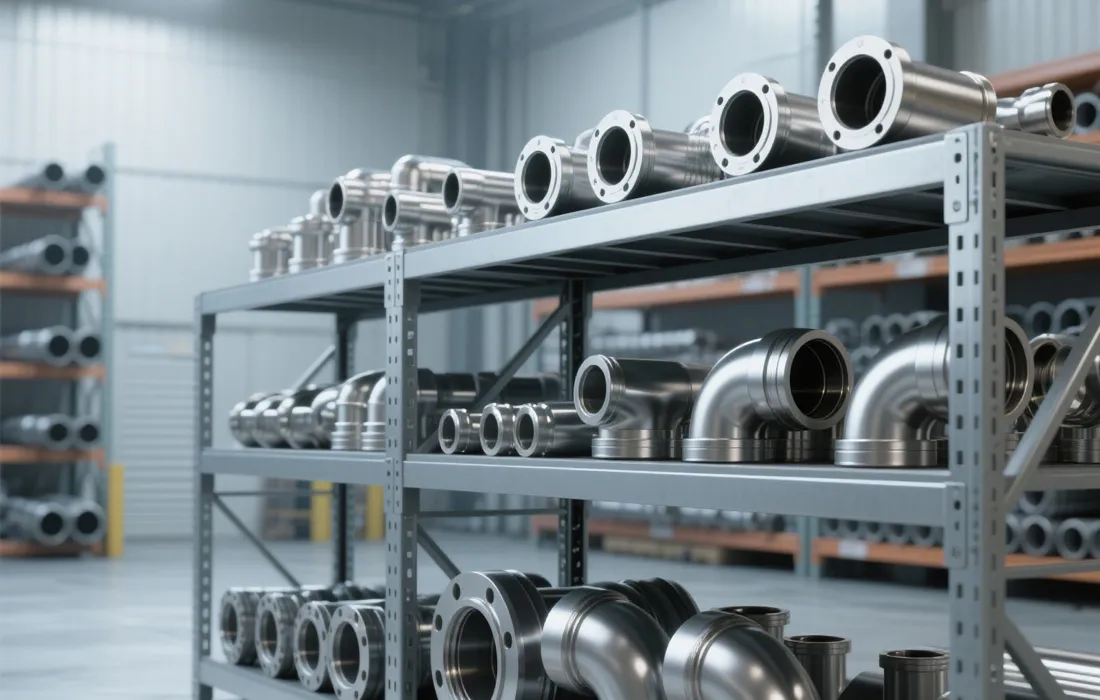
Galvanized steel structural pipe is a hollow structural steel section characterized by a protective zinc coating applied to a carbon steel substrate. It serves as a fundamental building block in diverse applications including construction, infrastructure, agricultural frameworks, and industrial scaffolding. Its primary function is to provide high strength and rigidity with exceptional corrosion resistance, extending service life in harsh environmental conditions. The galvanization process, typically hot-dip galvanizing, substantially mitigates the corrosive effects of moisture, salts, and atmospheric pollutants that would otherwise degrade unprotected steel. Within the industry chain, galvanized steel pipe occupies a critical position downstream from steel mills and galvanizing facilities, acting as a finished or semi-finished product directly integrated into larger structural systems. Core performance characteristics include yield strength, tensile strength, corrosion resistance (measured in coating thickness and salt spray exposure), dimensional accuracy, and weldability.
Material Science & Manufacturing
The base material for galvanized steel structural pipe is typically carbon steel, commonly ASTM A53 Grade B or A500 Grade B. These steels consist predominantly of iron, with controlled additions of carbon (typically 0.05% - 0.25%), manganese, silicon, and phosphorus. The carbon content dictates hardness and weldability; manganese enhances strength and toughness; silicon improves strength and deoxidizes the steel during production; and phosphorus influences machinability but can reduce ductility. The galvanizing process fundamentally relies on the electrochemical properties of zinc. Hot-dip galvanizing involves immersing the steel pipe in a molten zinc bath (98% pure zinc) maintained at approximately 450°C (842°F). A metallurgical reaction occurs, forming a series of zinc-iron alloy layers, culminating in an outer layer of pure zinc. Critical manufacturing parameters include steel surface preparation (pickling to remove mill scale, fluxing to promote adhesion), bath temperature control (affecting coating thickness and morphology), cooling rate (influencing alloy layer formation), and post-treatment (chromate conversion coating for enhanced corrosion resistance, although increasingly restricted due to environmental concerns). Welding, often using Shielded Metal Arc Welding (SMAW) or Gas Metal Arc Welding (GMAW), requires careful control of heat input and shielding gas to prevent zinc vaporization and maintain weld integrity. Forming processes like bending and rolling must account for the coating’s potential to crack if excessively deformed.
Performance & Engineering
The structural performance of galvanized steel pipe is governed by principles of mechanics and material science. Force analysis, including bending moment calculations, shear stress analysis, and buckling resistance assessments, is crucial in determining load-bearing capacity. Environmental resistance is paramount. The zinc coating provides cathodic protection, meaning it corrodes preferentially to the steel, even if the coating is scratched or damaged. However, the rate of zinc corrosion is influenced by environmental factors like humidity, salinity, and sulfur dioxide concentration. Compliance requirements stem from building codes (e.g., IBC, AISC) and industry standards. For example, seismic design requirements often necessitate specific connection details and material properties. Galvanized steel pipe used in pressure applications must adhere to ASME B31.1 or B31.3 standards, outlining wall thickness, weld procedures, and non-destructive testing (NDT) protocols. The functional implementation often involves connections via welding, threading, or mechanical couplings. Welding galvanized steel requires specialized techniques to manage zinc fumes and ensure adequate fusion. Threading can compromise the coating, necessitating touch-up coatings. Mechanical couplings must maintain a secure and watertight seal. Long-term performance is heavily influenced by the coating’s durability; zinc consumption rate dictates the service life under specific environmental conditions. Detailed finite element analysis (FEA) can predict stress concentrations and potential failure points under complex loading scenarios.
Technical Specifications
| Parameter | ASTM A53 Grade B | ASTM A500 Grade B | Typical Galvanization (Hot-Dip) |
|---|---|---|---|
| Yield Strength (MPa) | 250 | 250 | N/A (Dependent on Base Steel) |
| Tensile Strength (MPa) | 450 | 450 | N/A (Dependent on Base Steel) |
| Wall Thickness (mm) | Variable (e.g., 3.4, 4.5, 6.4) | Variable (e.g., 3.4, 4.5, 6.4) | N/A |
| Outer Diameter (mm) | Variable (e.g., 50.8, 76.2, 101.6) | Variable (e.g., 50.8, 76.2, 101.6) | N/A |
| Zinc Coating Thickness (µm) | N/A | N/A | 85-140 (Typical Range) |
| Minimum Salt Spray Resistance (Hours) | N/A | N/A | 480 (Typical) |
Failure Mode & Maintenance
Galvanized steel structural pipe, while durable, is susceptible to several failure modes. Uniform corrosion occurs over the entire exposed surface, albeit at a slow rate due to the zinc coating. Localized corrosion, including pitting corrosion (initiated by chloride ions) and crevice corrosion (in shielded areas), is more aggressive. White rust (zinc hydroxide) can form in humid environments, indicating the zinc is actively corroding. Hydrogen embrittlement can occur during the galvanizing process, especially with high-strength steels, leading to reduced ductility and potential cracking. Mechanical damage, such as denting or scratching, compromises the coating and exposes the underlying steel to corrosion. Fatigue cracking can develop under cyclical loading, particularly at weld points or areas of stress concentration. Delamination of the zinc coating can occur due to poor surface preparation or inadequate adhesion. Maintenance practices are crucial for extending service life. Regular inspection for signs of corrosion (rust spots, blistering, white rust) is essential. Damaged coatings should be repaired using zinc-rich paints or re-galvanization. Periodic cleaning to remove dirt, debris, and salt deposits minimizes corrosion potential. In marine environments, sacrificial anodes can be added to further enhance cathodic protection. For welded structures, regular inspection of welds for cracks or porosity is recommended. Periodic re-coating or painting with protective coatings can provide an additional barrier against corrosion.
Industry FAQ
Q: What is the impact of chloride exposure on the long-term performance of galvanized steel pipe?
A: Chloride ions, commonly found in marine environments or de-icing salts, accelerate localized corrosion, specifically pitting corrosion. Chlorides penetrate the zinc coating and disrupt the passive layer, leading to rapid metal loss. The severity of the impact depends on chloride concentration, exposure duration, and the presence of other corrosive agents. Regular inspection and maintenance, including the application of protective coatings, are crucial in chloride-rich environments.
Q: How does welding affect the corrosion resistance of galvanized steel pipe?
A: Welding burns off the zinc coating in the heat-affected zone, leaving the underlying steel exposed. Zinc fumes released during welding are also hazardous. Proper welding procedures, utilizing low heat input and appropriate shielding gases, are essential. Post-weld coating repair, using zinc-rich paints or re-galvanization, is necessary to restore corrosion protection.
Q: What are the limitations of hot-dip galvanizing for high-strength steels?
A: High-strength steels are susceptible to hydrogen embrittlement during the hot-dip galvanizing process. The hydrogen atoms generated during the reaction can diffuse into the steel, reducing its ductility and increasing its susceptibility to cracking. Stress relieving the steel before galvanizing and employing a post-galvanizing baking process to drive out the hydrogen are crucial mitigation strategies.
Q: Can galvanized steel pipe be used in contact with concrete?
A: Direct contact with concrete can lead to galvanic corrosion, particularly if the concrete is chloride-contaminated. The concrete acts as a cathode, accelerating the corrosion of the zinc. Using a non-conductive barrier between the steel and concrete, such as a polyethylene sleeve or coating, is essential to prevent galvanic corrosion.
Q: What is the expected service life of galvanized steel structural pipe in a typical atmospheric environment?
A: The expected service life varies significantly based on environmental conditions. In rural environments, a galvanized coating can provide protection for 50 years or more. In industrial or marine environments, the service life may be reduced to 20-30 years. Regular inspection and maintenance can significantly extend the service life.
Conclusion
Galvanized steel structural pipe represents a robust and cost-effective solution for a wide range of structural applications, offering a compelling balance of strength, rigidity, and corrosion resistance. The effectiveness of this material stems from the synergistic relationship between the mechanical properties of the steel substrate and the protective characteristics of the zinc coating, achieved through meticulously controlled manufacturing processes. Understanding the underlying material science, potential failure modes, and appropriate maintenance strategies is crucial for maximizing its longevity and ensuring structural integrity.
Future developments in galvanizing technology, such as advanced zinc alloys and improved coating application techniques, will further enhance the performance and durability of galvanized steel pipe. Increased emphasis on sustainable practices will drive the development of environmentally friendly galvanizing processes and alternative corrosion protection methods. Continued research and development in areas such as predictive modeling of corrosion rates and non-destructive evaluation techniques will play a critical role in optimizing the lifecycle management of galvanized steel structures.
