

Introduction
Galvanized structural pipe, typically manufactured from carbon steel, represents a critical component in diverse infrastructural applications ranging from building frameworks and scaffolding to water conveyance and agricultural irrigation systems. The ‘galvanization’ process, involving the application of a protective zinc coating, serves as the primary corrosion mitigation strategy, extending the service life of the steel substrate in aggressive environmental conditions. Its technical positioning within the industry chain resides between raw steel production and on-site construction/assembly. Core performance characteristics revolve around its load-bearing capacity, dimensional accuracy, weldability (depending on zinc coating type), and, crucially, its long-term resistance to rust and corrosion. A key industry pain point is balancing the cost of galvanization with the required level of protection; thinner coatings are less expensive but provide reduced corrosion resistance, while thicker coatings may introduce challenges during welding or fabrication. Another concern is the potential for localized coating breakdown in areas of mechanical stress or damage.
Material Science & Manufacturing
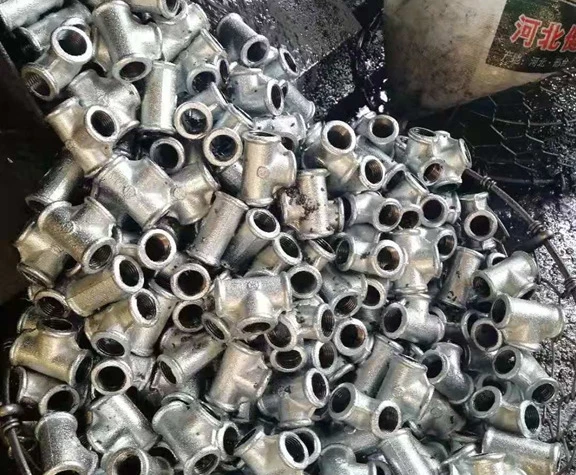
The base material for galvanized structural pipe is predominantly carbon steel, specified according to grades like ASTM A53 Grade B or ASTM A500. The steel’s composition dictates its tensile strength, yield strength, and ductility. Manufacturing begins with steel billet production followed by seamless or welded pipe formation. Seamless pipes are produced through processes like extrusion or piercing, resulting in a homogeneous structure. Welded pipes, formed by rolling steel plates and welding the seam, require rigorous non-destructive testing (NDT) – radiography or ultrasonic testing – to ensure weld integrity. Following pipe formation, surface preparation is critical for galvanization. This typically involves pickling (acid cleaning to remove mill scale), rinsing, and fluxing to promote zinc adhesion. The galvanization process itself is predominantly achieved through hot-dip galvanizing, where the steel pipe is immersed in a molten zinc bath. The zinc reacts with the steel, forming a series of zinc-iron alloy layers, culminating in an outer layer of pure zinc. Key parameters controlled during hot-dip galvanizing include bath temperature (around 450°C), immersion time, and cooling rate. Alternative galvanizing methods include electrogalvanizing and zinc spraying, each with varying coating thickness and adhesion properties. The metallurgical structure of the zinc-iron alloy layers provides a sacrificial protection mechanism, wherein the zinc corrodes preferentially, safeguarding the underlying steel. Chemical compatibility with construction materials such as concrete and aluminum must also be considered to prevent galvanic corrosion.
Performance & Engineering
The performance of galvanized structural pipe is heavily influenced by applied loads, environmental exposure, and the quality of the galvanization process. Force analysis, including tensile, compressive, and bending stress calculations, is vital during structural design, accounting for factors of safety. The zinc coating’s protective efficacy diminishes over time due to corrosion; the rate of corrosion depends on environmental factors (humidity, salinity, industrial pollutants) and the thickness of the zinc layer. Compliance requirements, dictated by building codes and industry standards (discussed later), dictate minimum coating thicknesses and acceptable levels of corrosion. Engineering considerations include weldability, which can be impacted by the zinc coating. Certain galvanizing processes may require special welding procedures to prevent zinc fume inhalation and ensure weld soundness. The coefficient of thermal expansion for galvanized steel differs slightly from bare steel, necessitating appropriate allowance in designs to prevent stress buildup due to temperature fluctuations. Furthermore, the potential for hydrogen embrittlement during the pickling process must be addressed through appropriate process control and post-treatment methods. Long-term performance is also influenced by the potential for ‘white rust’ (zinc hydroxide corrosion product) formation, especially in enclosed or poorly ventilated environments, necessitating preventative measures like the application of passivating coatings.
Technical Specifications
| Parameter | ASTM A53 Grade B | ASTM A500 Grade B | Typical Hot-Dip Galvanizing |
|---|---|---|---|
| Yield Strength (MPa) | 250 | 345 | N/A (Dependent on base steel) |
| Tensile Strength (MPa) | 370 | 450 | N/A (Dependent on base steel) |
| Zinc Coating Thickness (µm) | N/A | N/A | 55-140 (depending on diameter & process) |
| Minimum Coating Weight (g/m²) | N/A | N/A | 490-780 |
| Wall Thickness Range (mm) | 2-12 | 2-12 | N/A (Dependent on base pipe) |
| Outside Diameter Range (mm) | 1/2 – 8 | 1/2 – 12 | N/A (Dependent on base pipe) |
Failure Mode & Maintenance
Galvanized structural pipe can experience several failure modes. Uniform corrosion, resulting from the gradual depletion of the zinc layer, is the most common. However, localized corrosion, such as pitting corrosion (caused by chloride ions) and crevice corrosion (occurring in shielded areas), can accelerate failure. Mechanical damage, including impact, abrasion, and bending beyond the material’s yield strength, can compromise the zinc coating, exposing the underlying steel. Fatigue cracking can occur under cyclic loading, particularly at weld points or areas of stress concentration. Hydrogen embrittlement, stemming from the pickling process, can reduce ductility and promote cracking. Delamination of the zinc coating, due to poor surface preparation or incompatible coatings, diminishes its protective function. Maintenance strategies involve regular visual inspections for signs of corrosion, damage, or coating defects. Minor corrosion can be addressed with zinc-rich paints or coatings. Significant corrosion or structural damage necessitates repair or replacement. Preventive measures include applying protective coatings to damaged areas, implementing cathodic protection in aggressive environments, and ensuring proper drainage to minimize moisture accumulation. Periodic cleaning to remove dirt and debris also enhances the coating's longevity. Welded structures require inspection of weld integrity to detect cracks or porosity.
Industry FAQ
Q: What is the impact of hot-dip galvanizing on the weldability of structural pipe?
A: Hot-dip galvanizing can introduce zinc fumes during welding, posing health hazards and potentially affecting weld quality. Special welding procedures, including adequate ventilation and the use of zinc-free welding electrodes, are necessary. The zinc coating also needs to be removed from the weld zone to ensure proper fusion and prevent porosity. Preheating may also be required, depending on the steel grade and coating thickness.
Q: How does chloride exposure affect the corrosion rate of galvanized pipe?
A: Chloride ions are highly aggressive to galvanized coatings, accelerating corrosion by disrupting the passive zinc layer and promoting pitting corrosion. Environments with high chloride concentrations, such as coastal areas or those exposed to de-icing salts, require thicker zinc coatings or supplementary corrosion protection measures, such as epoxy coatings or cathodic protection.
Q: What is the difference between hot-dip galvanizing and electrogalvanizing?
A: Hot-dip galvanizing produces a thicker, more durable coating with superior corrosion resistance due to the diffusion of zinc into the steel substrate. Electrogalvanizing, on the other hand, provides a thinner, smoother coating, primarily used for cosmetic purposes or where tighter tolerances are required. Electrogalvanizing provides less sacrificial protection than hot-dip galvanizing.
Q: What are the limitations of relying solely on the zinc coating for corrosion protection?
A: The zinc coating provides sacrificial protection, but its effectiveness is limited by its thickness and the severity of the environment. Damage to the coating, such as scratches or abrasions, can expose the underlying steel. Furthermore, in highly corrosive environments, the zinc coating will eventually be depleted, requiring supplementary protection measures.
Q: How important is surface preparation before galvanizing, and what are the potential consequences of inadequate preparation?
A: Surface preparation is paramount for achieving proper zinc adhesion and corrosion protection. Inadequate cleaning, including residual mill scale, rust, or contaminants, will result in poor coating adhesion, leading to premature failure. The coating may flake off, exposing the steel to corrosion. Thorough pickling, rinsing, and fluxing are essential steps in the galvanizing process.
Conclusion
Galvanized structural pipe remains a cornerstone material in numerous construction and industrial applications due to its robust corrosion resistance and cost-effectiveness. The efficacy of this protection relies heavily on the interplay between base material properties, manufacturing precision (particularly the galvanization process), and environmental considerations. Understanding the potential failure modes – ranging from uniform corrosion to localized pitting and mechanical damage – is crucial for implementing effective maintenance strategies and ensuring long-term structural integrity.
Looking forward, advancements in galvanizing technology, such as the development of zinc-alloy coatings with enhanced corrosion resistance and self-healing capabilities, are likely to further extend the service life of galvanized structural pipe. Continued research into optimized surface preparation techniques and the implementation of rigorous quality control measures will be vital for maintaining the reliability and performance of this essential building material. The integration of smart monitoring systems capable of detecting early signs of corrosion will also contribute to proactive maintenance and reduced lifecycle costs.
