
Introduction
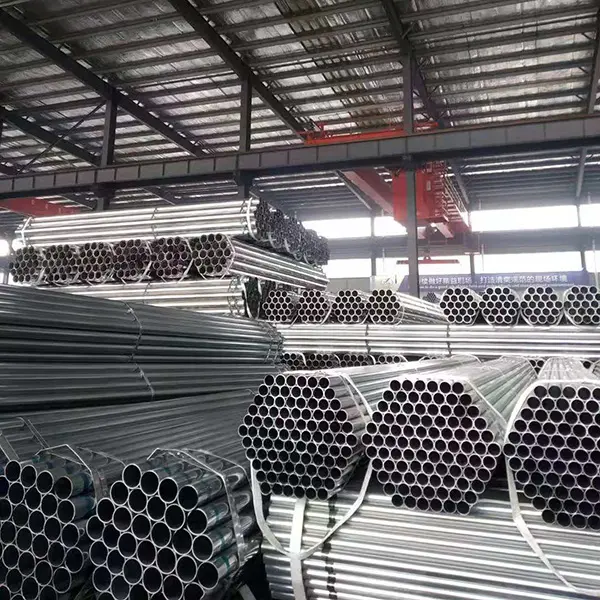
Galvanized tube pipe, specifically steel pipe coated with a layer of zinc, represents a critical component in numerous industrial applications, ranging from potable water systems and fire suppression to structural supports and oil & gas conveyance. Its position within the materials supply chain is foundational – serving as a cost-effective and corrosion-resistant alternative to bare steel, bridging the gap between purely aesthetic applications (e.g., decorative railing) and high-integrity, safety-critical systems. The core performance characteristic defining galvanized tube pipe is its enhanced resistance to corrosion, achieved through the sacrificial anodic protection provided by the zinc coating. This protection extends the lifespan of the steel substrate, minimizing maintenance and replacement costs, particularly in environments prone to moisture, salinity, or chemical exposure. However, understanding the nuances of galvanization processes, zinc coating quality, and potential failure mechanisms is paramount to ensuring optimal performance and longevity. This guide provides a comprehensive technical overview, encompassing material science, manufacturing techniques, performance engineering, failure analysis, and relevant industry standards.
Material Science & Manufacturing
The foundation of galvanized tube pipe lies in the interplay between the steel substrate and the zinc coating. Common steel grades used include carbon steel (ASTM A53, A106) and alloy steels, selected based on required strength, ductility, and weldability. These steels are primarily composed of iron, with varying amounts of carbon, manganese, silicon, and phosphorus. The mechanical properties are heavily influenced by heat treatment processes – normalizing, annealing, and quenching & tempering – affecting yield strength, tensile strength, and impact resistance. The zinc coating is typically applied via hot-dip galvanizing, although electrogalvanizing and sherardizing are also employed. Hot-dip galvanizing involves immersing the steel pipe in a molten zinc bath (typically 98% pure zinc) at temperatures around 450-460°C (842-860°F). This process forms a series of metallurgical layers: a zinc-iron alloy layer (zeta, eta, gamma, delta) bonded directly to the steel substrate, followed by a layer of pure zinc. The alloy layers contribute to superior adhesion, while the outer zinc layer provides sacrificial corrosion protection. Key manufacturing parameters include bath temperature control, immersion time, steel surface preparation (pickling and fluxing to remove oxides and contaminants), and cooling rate. Electrogalvanizing, conversely, utilizes an electrolytic process to deposit a zinc coating, offering greater control over coating thickness but generally providing less robust adhesion. Sherardizing involves tumbling steel components with zinc dust at elevated temperatures, resulting in a uniform coating, especially suited for threaded components. Chemical compatibility of the zinc coating with transported fluids is also crucial; acidic solutions can accelerate zinc dissolution, necessitating careful consideration of application requirements.
Performance & Engineering
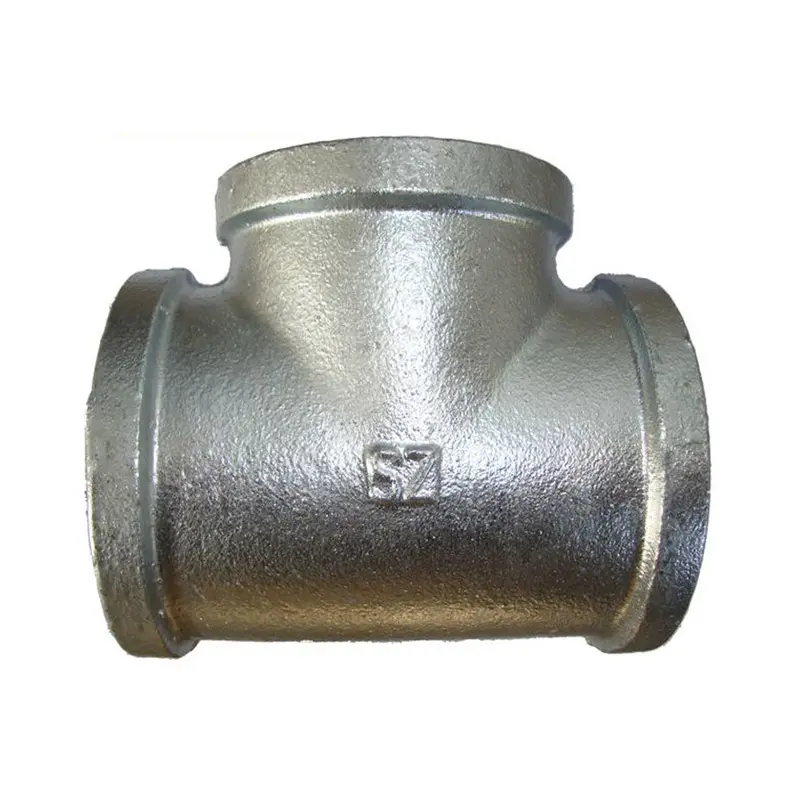
The structural integrity of galvanized tube pipe is dictated by several performance parameters. Force analysis, particularly for pressure-bearing applications, necessitates consideration of hoop stress, longitudinal stress, and burst pressure. These are calculated using formulas derived from thin-walled cylinder theory, accounting for pipe diameter, wall thickness, and internal pressure. Corrosion resistance, the primary performance driver, is assessed through salt spray testing (ASTM B117), cyclic corrosion testing (ASTM G45), and electrochemical impedance spectroscopy (EIS). These tests simulate exposure to harsh environments and quantify the rate of zinc corrosion. Galvanized pipe is also subject to mechanical loads (bending, torsion, axial tension/compression) depending on its application. Finite element analysis (FEA) is frequently employed to model stress distribution under these loads, ensuring structural adequacy. Environmental resistance extends beyond corrosion; UV exposure can degrade the zinc coating over time, reducing its protective effect. Coatings, such as chromate conversion coatings, are sometimes applied to enhance UV resistance. Compliance requirements vary depending on the application. Potable water systems must meet NSF/ANSI 61 standards to ensure that the pipe does not leach harmful contaminants into the water. Oil & gas applications require compliance with API 5L specifications, dictating steel grade, dimensional tolerances, and hydrostatic testing procedures. Threaded connections are particularly vulnerable to corrosion and require careful sealing to prevent leaks and ensure long-term integrity; thread sealants and proper torque specifications are critical.
Technical Specifications
| Parameter | ASTM A53 Grade B (Typical) | ASTM A106 Grade B (Typical) | Hot-Dip Galvanizing (Typical) | Electrogalvanizing (Typical) |
|---|---|---|---|---|
| Yield Strength (MPa) | 250 | 276 | N/A (dependent on steel grade) | N/A (dependent on steel grade) |
| Tensile Strength (MPa) | 400 | 414 | N/A (dependent on steel grade) | N/A (dependent on steel grade) |
| Zinc Coating Thickness (µm) | 85-115 | 85-115 | Typically 55-140 | Typically 5-25 |
| Minimum Coating Weight (g/m²) | 500 | 500 | Typically 500-800 | Typically 100-300 |
| Diameter Range (mm) | 1/2 - 12 | 1/2 - 12 | Variable | Variable |
| Wall Thickness (mm) | Sch 40, Sch 80 | Sch 40, Sch 80 | Variable | Variable |
Failure Mode & Maintenance
Galvanized tube pipe, despite its corrosion resistance, is susceptible to several failure modes. Uniform corrosion, while slowed by the zinc coating, eventually occurs as the zinc is consumed. Pitting corrosion, a localized form of corrosion, can initiate at surface defects or due to chloride ingress. White rust (zinc corrosion product) can form during storage or transportation in humid environments, reducing the available zinc for sacrificial protection. Galvanic corrosion can occur when galvanized pipe is directly connected to dissimilar metals (e.g., copper) in the presence of an electrolyte, accelerating corrosion of the more anodic metal. Hydrogen embrittlement, a phenomenon where hydrogen atoms diffuse into the steel, can reduce ductility and promote cracking, especially in high-strength steels. Fatigue cracking can occur under cyclical loading, particularly at weld joints or threaded connections. Maintenance strategies include regular visual inspections for signs of corrosion, rust, or damage. Periodic cleaning to remove dirt, debris, and contaminants is essential. For minor corrosion, wire brushing and application of a zinc-rich primer followed by a protective coating can extend service life. Damaged coatings should be repaired promptly. Insulating galvanized pipe from dissimilar metals is crucial to prevent galvanic corrosion. Hydrostatic testing should be performed periodically to verify the integrity of pressure-bearing systems. Proper drainage systems should be implemented to prevent water accumulation and promote drying, minimizing corrosion rates.
Industry FAQ
Q: What is the typical service life of galvanized tube pipe in a potable water application?
A: The service life is highly variable, dependent on water chemistry (pH, chloride content, dissolved oxygen), water temperature, and flow rate. Generally, a properly installed and maintained galvanized pipe system can last 40-70 years. However, aggressive water chemistries can significantly reduce this lifespan.
Q: How does the quality of the steel substrate affect the performance of the galvanization process?
A: Steel surface condition is paramount. The presence of mill scale, rust, or contaminants hinders zinc adhesion. Thorough pickling and fluxing are essential. Steel composition also matters; higher carbon content can increase susceptibility to hydrogen embrittlement during galvanizing.
Q: What are the advantages and disadvantages of hot-dip galvanizing versus electrogalvanizing?
A: Hot-dip galvanizing provides thicker coatings and superior adhesion, resulting in longer-term corrosion protection. Electrogalvanizing offers greater control over coating thickness and is suitable for complex geometries. However, electrogalvanized coatings are typically thinner and less durable.
Q: What should be considered when connecting galvanized pipe to other metal types?
A: Galvanic corrosion is a major concern. Using dielectric unions or insulating fittings is critical to break the electrical contact between dissimilar metals. Applying a corrosion-inhibiting compound at the connection point can also help mitigate corrosion.
Q: What are the common causes of leaks at threaded galvanized pipe connections?
A: Improper thread sealing, over-tightening or under-tightening of connections, corrosion of the threads, and damage to the threads during installation are common causes. Using appropriate thread sealants and adhering to recommended torque specifications are crucial.
Conclusion
Galvanized tube pipe remains a cost-effective and reliable solution for a diverse range of applications, providing a substantial improvement in corrosion resistance compared to unprotected steel. However, achieving optimal performance necessitates a thorough understanding of the underlying material science, manufacturing processes, and potential failure mechanisms. Careful selection of steel grade, adherence to proper surface preparation techniques, and diligent maintenance are essential for maximizing service life and ensuring the long-term integrity of galvanized piping systems.
Future advancements in coating technology, such as duplex systems combining galvanizing with organic coatings, offer the potential for further enhanced corrosion protection. Continued research into mitigating hydrogen embrittlement and improving the durability of zinc coatings will also play a crucial role in extending the lifespan and broadening the applications of galvanized tube pipe.
