
Introduction
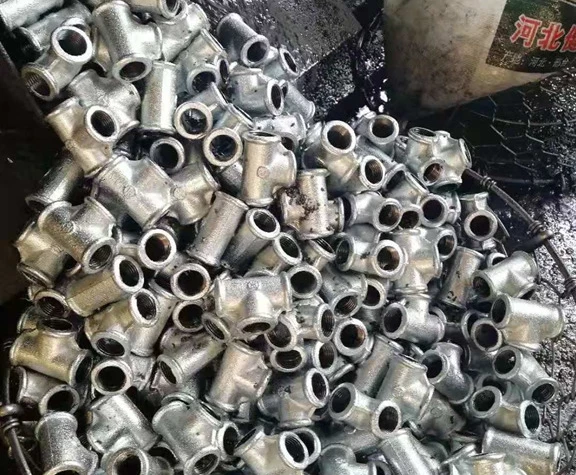
Galvanized waste pipe, typically manufactured from carbon steel, serves as a critical component in plumbing systems for the safe and efficient removal of wastewater. This guide details the technical specifications, manufacturing processes, performance characteristics, failure modes, and maintenance procedures associated with this essential building material. The galvanization process, involving the application of a zinc coating, provides crucial corrosion resistance, extending the service life of the pipe, particularly in environments exposed to moisture and corrosive substances. Its position within the construction industry chain is foundational, impacting both residential and commercial building projects, demanding adherence to stringent engineering standards and regulatory compliance. Core performance metrics include pressure capacity, corrosion resistance, and long-term structural integrity. Understanding these aspects is paramount for engineers, procurement managers, and maintenance personnel responsible for ensuring the reliable operation of drainage systems.
Material Science & Manufacturing
The primary material for galvanized waste pipe is low-carbon steel, commonly AISI 1018 or similar grades, selected for its formability and weldability. The steel’s composition typically includes iron, carbon (0.05-0.25%), manganese (0.3-0.9%), phosphorus (max 0.04%), and sulfur (max 0.05%). The galvanization process, almost universally hot-dip galvanizing, involves immersing the steel pipe in a molten zinc bath (typically 98% pure zinc) at approximately 450°C (842°F). This creates a metallurgical bond, forming layers of zinc-iron alloy and a final outer layer of pure zinc. The resulting coating thickness, commonly ranging from 60 to 80 μm (2.4 to 3.1 mils), is critical for corrosion protection. Manufacturing begins with steel strip or coil forming, utilizing processes like electric resistance welding (ERW) or spiral welding to create seamless or welded pipes. Key parameters controlled during manufacturing include welding speed, current, and pressure, ensuring weld integrity and dimensional accuracy. Post-welding, pipes undergo quality control checks, including hydrostatic testing to verify pressure resistance and coating thickness inspection to confirm galvanization standards. Surface preparation prior to galvanization is also vital; typically involving pickling (acid cleaning) to remove mill scale and rust, followed by fluxing to promote zinc adhesion.

Performance & Engineering
The performance of galvanized waste pipe is heavily influenced by hydrostatic pressure, tensile strength, and resistance to corrosive environments. Force analysis is crucial in determining the appropriate pipe diameter and wall thickness based on anticipated flow rates and pressures. The pipe’s ability to withstand external loads, such as soil pressure in underground applications, must also be considered. Galvanized steel exhibits a yield strength of approximately 250 MPa (36,000 psi) and tensile strength of around 400 MPa (58,000 psi). Environmental resistance is primarily governed by the zinc coating's sacrificial protection; zinc corrodes preferentially, protecting the underlying steel. However, in acidic environments or prolonged exposure to chlorides, the zinc layer can degrade, leading to localized corrosion. Compliance requirements vary by region but generally adhere to standards set by organizations like ASTM, ASME, and local building codes. Functional implementation considerations include proper jointing techniques (threaded, flanged, or solvent welded), adequate support spacing to prevent sagging or bending, and insulation to mitigate condensation and potential freeze damage. Furthermore, ventilation systems must be properly designed to prevent pressure imbalances that can affect drainage performance and potentially damage the piping.
Technical Specifications
| Nominal Pipe Size (inches) | Wall Thickness (mm) | Coating Thickness (μm) | Yield Strength (MPa) |
|---|---|---|---|
| 1.5 | 1.65 | 60-80 | 250 |
| 2 | 1.87 | 60-80 | 250 |
| 3 | 2.37 | 60-80 | 250 |
| 4 | 2.77 | 60-80 | 250 |
| 6 | 3.25 | 60-80 | 250 |
| 8 | 3.91 | 60-80 | 250 |
Failure Mode & Maintenance
Galvanized waste pipe is susceptible to several failure modes. Corrosion, particularly localized corrosion due to galvanic action (contact with dissimilar metals), is a common issue. Fatigue cracking can occur under cyclical loading, especially at threaded connections. Hydrogen embrittlement, a phenomenon where hydrogen diffuses into the steel, leading to reduced ductility and increased susceptibility to cracking, can occur during the pickling process if not properly controlled. Delamination of the zinc coating, caused by poor surface preparation or inadequate fluxing, compromises corrosion protection. Threaded joints are prone to leaks due to corrosion, improper tightening, or damage. Maintenance involves regular visual inspections for signs of corrosion, leaks, or physical damage. Periodic cleaning to remove debris and buildup is recommended. For minor corrosion, application of a zinc-rich coating can provide localized protection. Damaged threads should be replaced or repaired. In cases of extensive corrosion or structural damage, pipe sections should be replaced entirely. Preventive maintenance includes ensuring proper ventilation, avoiding contact with corrosive chemicals, and implementing a cathodic protection system in highly corrosive environments. Regular hydrostatic testing can also identify potential weaknesses before catastrophic failure occurs.
Industry FAQ
Q: What is the typical lifespan of a galvanized waste pipe system?
A: The lifespan is highly variable, dependent on environmental conditions and maintenance practices. Typically, a properly maintained system can last 50-70 years. However, in highly corrosive environments, particularly those with high chloride concentrations, the lifespan can be significantly reduced.
Q: Is galvanized pipe still permitted for potable water systems?
A: Regulations vary significantly by jurisdiction. While historically common, the use of galvanized pipe for potable water is increasingly restricted due to concerns about lead content in some galvanized coatings and potential for leaching of zinc. Many building codes now favor alternative materials like PEX or copper.
Q: How does the pH of wastewater affect the corrosion rate of galvanized pipe?
A: Low pH (acidic) wastewater accelerates the corrosion rate of galvanized pipe, as the acid attacks the zinc coating. High pH (alkaline) wastewater can also contribute to corrosion, though generally at a slower rate. Maintaining a neutral pH is optimal for maximizing the pipe’s lifespan.
Q: What are the best practices for joining galvanized pipe to dissimilar metals?
A: When connecting galvanized pipe to dissimilar metals (e.g., copper), a dielectric union must be used to prevent galvanic corrosion. This union electrically isolates the two metals, preventing the flow of electrons and reducing the corrosion rate. Proper sealing compounds should also be used to prevent crevice corrosion.
Q: Can galvanized pipe be used for underground drainage?
A: Yes, galvanized pipe can be used for underground drainage, but requires careful consideration. The soil’s corrosivity must be assessed, and appropriate protective measures, such as a polyethylene sleeve or cathodic protection, may be necessary to prevent premature failure. Adequate bedding and backfill material are also crucial for supporting the pipe and preventing stress.
Conclusion
Galvanized waste pipe remains a viable, cost-effective solution for drainage systems when properly specified, installed, and maintained. The hot-dip galvanization process provides substantial corrosion resistance, extending the service life of the pipe. However, understanding the material’s limitations, particularly its susceptibility to corrosion in specific environments and the potential for failure modes like fatigue cracking and hydrogen embrittlement, is crucial for ensuring long-term reliability.
Future developments in protective coatings, such as advanced zinc alloys and polymeric coatings, may further enhance the performance of steel waste pipe systems. Proactive maintenance programs, incorporating regular inspections and preventive measures, are essential for maximizing the lifespan and minimizing the risk of costly failures. The ongoing evolution of building codes and environmental regulations will continue to influence the selection and application of galvanized waste pipe in construction projects.
