
Introduction
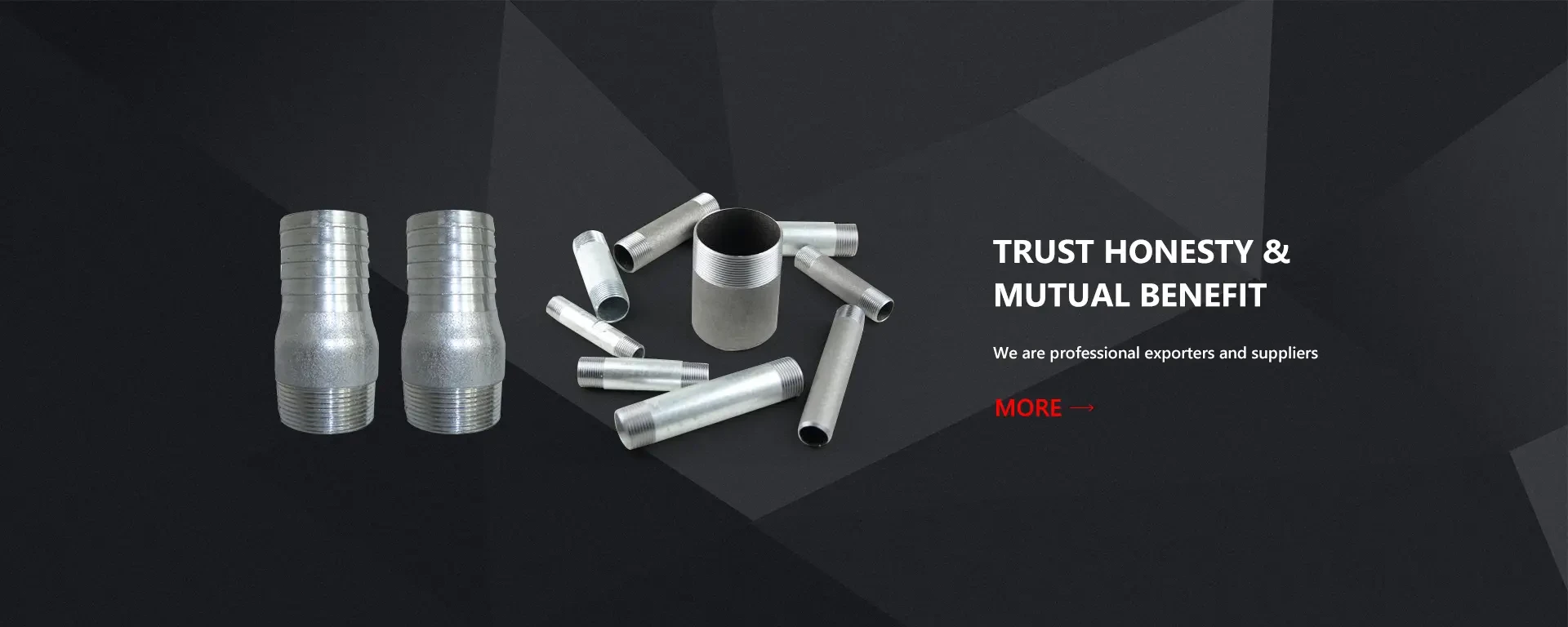
Galvanized well drive pipe is a critical component in the construction of water wells, primarily serving as the casing for borehole excavations. Positioned within the industry chain between raw steel production and potable water infrastructure, it facilitates access to groundwater resources. These pipes are typically manufactured from carbon steel and coated with a layer of zinc through galvanization – either hot-dip galvanizing or electrogalvanizing – to provide corrosion resistance. The core performance characteristics revolve around structural integrity under substantial earth loads, resistance to groundwater corrosion, and ensuring the long-term purity of the extracted water. Common diameters range from 2 inches to 12 inches, with wall thicknesses varying based on the anticipated depth of the well and the geological conditions. A key pain point in the industry is balancing cost-effectiveness with longevity, particularly in aggressive soil environments where corrosion rates are accelerated. Ensuring consistent zinc coating quality and preventing damage during installation are also prominent challenges.
Material Science & Manufacturing
The base material for galvanized well drive pipe is typically ASTM A53 Grade B carbon steel, chosen for its weldability and tensile strength. The steel composition consists primarily of iron, with controlled amounts of carbon, manganese, phosphorus, and sulfur. Manufacturing begins with steel coil or plate, which is formed into pipe via processes such as Electric Resistance Welding (ERW) or seamless extrusion. ERW involves forming steel strips into a cylindrical shape and welding the seam using electrical resistance. Seamless pipes are produced by piercing a solid billet of steel and then expanding it to the desired dimensions. Following pipe formation, surface preparation is critical for galvanization. This typically includes pickling (removal of mill scale using acid solutions), rinsing, and fluxing. Hot-dip galvanization involves immersing the prepared pipe in a molten zinc bath, creating a metallurgically bonded zinc coating. The thickness of this coating is dependent on the steel's surface condition, immersion time, and zinc bath composition. Electrogalvanizing utilizes an electrolytic process to deposit a zinc coating onto the steel surface. Critical parameters during manufacturing include maintaining precise weld parameters (for ERW), controlling steel chemistry to ensure weldability, and managing the zinc bath temperature and composition during hot-dip galvanizing to achieve a uniform and adherent coating. The zinc coating's microstructure consists of various layers – Gamma, Zeta, Delta, and Eta – each with distinct zinc-iron alloy compositions, impacting corrosion resistance. Chemical compatibility between the zinc coating and the surrounding soil is paramount; chlorides, sulfates, and acidic conditions can accelerate corrosion.
Performance & Engineering
The primary engineering concern for galvanized well drive pipe is its ability to withstand external hydrostatic pressure and axial loads from the weight of the soil and overlying structures. Force analysis requires consideration of the pipe's diameter, wall thickness, and the depth of installation. Hydrostatic pressure increases linearly with depth, requiring sufficient pipe wall thickness to prevent collapse. Buckling analysis is also crucial, especially during the driving process, where localized stresses can occur. Environmental resistance is governed by the zinc coating’s ability to act as a barrier against corrosion. The rate of zinc corrosion is dependent on soil pH, resistivity, moisture content, and the presence of aggressive ions like chlorides and sulfates. Galvanic corrosion can also occur if the pipe is in contact with dissimilar metals. Compliance requirements vary by region, but generally adhere to standards set by organizations like the American Water Works Association (AWWA) and local environmental regulations. These regulations specify acceptable levels of leachable metals (zinc, iron) and ensure the pipe does not contaminate the groundwater. Furthermore, the pipe's structural design must account for seismic activity in regions prone to earthquakes. Proper installation techniques, including proper alignment and driving procedures, are vital to preventing damage to the zinc coating and ensuring long-term performance. Sacrificial anodes are often used in conjunction with galvanized pipe in highly corrosive environments to provide additional cathodic protection.
Technical Specifications
| Parameter | Unit | Typical Value (Standard Grade) | Typical Value (Heavy-Duty Grade) |
|---|---|---|---|
| Outside Diameter | inches | 4.5 | 6.625 |
| Wall Thickness | inches | 0.154 | 0.218 |
| Zinc Coating Weight | oz/ft2 | 1.25 | 2.0 |
| Minimum Yield Strength (Steel) | psi | 36,000 | 50,000 |
| Minimum Tensile Strength (Steel) | psi | 58,000 | 65,000 |
| Corrosion Resistance (Salt Spray Test) | hours | 240 | 500 |
Failure Mode & Maintenance
Galvanized well drive pipe is susceptible to several failure modes. Corrosion is the most prevalent, manifesting as rust formation and eventual perforation of the pipe wall. Uniform corrosion occurs across the entire surface, while pitting corrosion concentrates at localized defects in the zinc coating. Crevice corrosion can occur under seals or at joints. Mechanical damage during installation – denting, bending, or scratching of the zinc coating – significantly accelerates corrosion. Fatigue cracking can occur due to cyclic loading from groundwater flow and soil settlement. Hydrogen embrittlement, while less common, can occur in high-strength steel exposed to corrosive environments, leading to brittle fracture. Delamination of the zinc coating can also occur due to poor surface preparation or inadequate bonding. Maintenance primarily involves periodic inspections to identify areas of corrosion or damage. Small areas of corrosion can be addressed with zinc-rich paint or coatings. Significant corrosion or mechanical damage necessitates pipe replacement. Cathodic protection systems, such as sacrificial anodes or impressed current systems, can be implemented to mitigate corrosion. Regular monitoring of water quality can help detect zinc leaching and assess the effectiveness of corrosion control measures. Preventative measures during installation include careful handling, proper alignment, and the use of protective coatings on damaged areas of the zinc coating.
Industry FAQ
Q: What is the typical lifespan of a galvanized well drive pipe?
A: The lifespan is highly variable, depending on soil conditions. In benign soils, a lifespan of 50-75 years is achievable. However, in aggressive environments (high chloride/sulfate content, acidic pH), the lifespan can be reduced to 20-30 years or even less. Regular inspections are crucial to assess remaining service life.
Q: How does electrogalvanizing compare to hot-dip galvanizing in terms of corrosion protection?
A: Hot-dip galvanizing generally provides thicker and more durable zinc coatings, offering superior corrosion resistance. However, electrogalvanizing allows for better control over coating thickness and uniformity, and can be more cost-effective for smaller diameter pipes. The choice depends on the specific application and environmental conditions.
Q: What are the risks associated with using dissimilar metals in contact with galvanized pipe?
A: Contact with dissimilar metals (e.g., copper) can cause galvanic corrosion, where the galvanized pipe acts as the anode and corrodes preferentially. Using dielectric unions or insulating materials to separate dissimilar metals is essential to prevent this.
Q: What is the impact of soil resistivity on corrosion rates?
A: Lower soil resistivity generally indicates higher moisture content and ion concentration, leading to increased corrosion rates. Higher resistivity soils provide better corrosion protection. Soil testing to determine resistivity is a valuable step in assessing potential corrosion risks.
Q: Are there alternatives to galvanized steel for well drive pipe, and what are their advantages/disadvantages?
A: Alternatives include PVC, HDPE, and stainless steel. PVC and HDPE are corrosion-resistant but have lower strength and can be susceptible to damage from sharp objects. Stainless steel offers excellent corrosion resistance and strength but is significantly more expensive than galvanized steel.
Conclusion
Galvanized well drive pipe remains a prevalent and cost-effective solution for well casing applications, providing a balance between structural integrity and corrosion resistance. The efficacy of this system, however, is profoundly influenced by meticulous manufacturing processes, ensuring a consistently high-quality zinc coating, and a thorough understanding of the specific geochemical environment in which the pipe is installed.
Future developments will likely focus on enhancing coating technologies – exploring zinc alloys with improved corrosion resistance – and implementing advanced monitoring techniques to predict pipe degradation and optimize maintenance schedules. The integration of smart sensors into the pipe structure could provide real-time data on corrosion rates and stress levels, allowing for proactive interventions and extending the service life of these critical infrastructure components.
