
Introduction
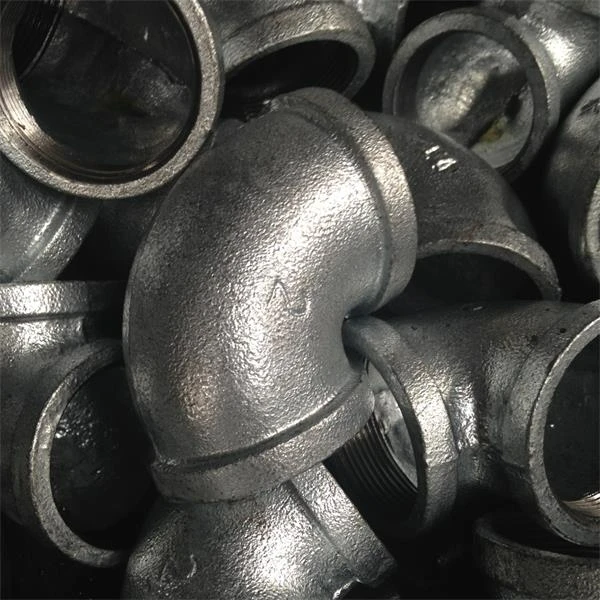
Galvanized Iron (GI) pipe, specifically the 1 1/2 inch diameter variant, represents a critical component within fluid and gas conveyance systems across numerous industrial and construction applications. GI pipe refers to carbon steel pipe that has been hot-dip galvanized – a process of coating steel with zinc – to provide corrosion resistance. Its position in the industrial chain is as a finished product derived from steel manufacturing, zinc refining, and specialized pipe production facilities. The ‘1 1/2’ designation refers to the nominal pipe size (NPS), indicating the approximate inside diameter. Core performance characteristics include pressure handling capability, resistance to internal corrosion, structural integrity under load, and suitability for threaded connections. Pricing of GI pipe, particularly the 1 1/2 inch size, is significantly influenced by steel prices, zinc costs, manufacturing volume, and regional demand. Understanding the material science, manufacturing processes, and potential failure modes is essential for ensuring optimal system performance and lifespan, justifying a detailed technical analysis.
Material Science & Manufacturing
The primary raw material for 1 1/2 inch GI pipe is carbon steel, typically ASTM A53 Grade B or similar. This steel possesses a specific chemical composition, primarily iron with controlled percentages of carbon, manganese, sulfur, and phosphorus. The carbon content generally ranges from 0.05% to 0.25% by weight, impacting weldability and ductility. Zinc, with a purity of 98% or greater, is the coating material. Manufacturing begins with the production of seamless or welded steel pipe. Seamless pipe is created through extrusion or piercing processes, providing superior strength and pressure resistance. Welded pipe is manufactured by rolling steel plates and welding the seam, typically using Electric Resistance Welding (ERW) or Double Submerged Arc Welding (DSAW). Following pipe formation, the hot-dip galvanizing process occurs. This involves cleaning the steel surface (pickling and fluxing) to remove mill scale and contaminants, followed by immersion in a molten zinc bath. The zinc metallurgically bonds with the steel, forming a series of zinc-iron alloy layers and an outer layer of pure zinc. Key parameters controlled during galvanizing include bath temperature (typically 450-460°C), immersion time, and cooling rate. Post-galvanizing processes include inspection for coating thickness and adherence, threading, and application of protective coatings (e.g., chromate conversion coating for improved corrosion resistance, though its use is decreasing due to environmental concerns). The thickness of the zinc coating is critical, often specified in terms of coating weight (e.g., G90, representing 0.90 ounces of zinc per square foot of surface area).
Performance & Engineering
The performance of 1 1/2 inch GI pipe is dictated by several engineering factors. Tensile strength, yield strength, and elongation are critical mechanical properties of the underlying steel, influencing the pipe’s ability to withstand internal pressure and external loads. Tensile strength typically ranges from 480-570 MPa, while yield strength is around 240-300 MPa. The zinc coating provides cathodic protection, meaning the zinc corrodes preferentially to the steel, preventing rust. The effectiveness of this protection relies on maintaining coating integrity. Force analysis includes consideration of hoop stress (due to internal pressure), longitudinal stress (due to axial loads), and bending moments (due to weight or external forces). Environmental resistance is crucial; GI pipe performs well in moderately corrosive environments, but performance degrades in highly acidic or alkaline conditions, or in the presence of chlorides. Compliance requirements are driven by industry standards (detailed in the footer) and regional building codes. For potable water systems, the zinc coating must meet specific lead content limits. Functional implementation involves proper joining techniques – typically threaded connections using tapered threads compliant with ANSI/ASME B1.20.1. Correct thread sealant application is vital to prevent leaks and galvanic corrosion between dissimilar metals.
Technical Specifications
| Parameter | Typical Value (1 1/2" GI Pipe) | Testing Standard | Units |
|---|---|---|---|
| Nominal Pipe Size (NPS) | 1.5 inches | ANSI/ASME B36.10M | inches |
| Outside Diameter | 1.90 inches | ANSI/ASME B36.10M | inches |
| Wall Thickness (Schedule 40) | 0.154 inches | ANSI/ASME B36.10M | inches |
| Minimum Yield Strength (Steel) | 240 MPa | ASTM A53 | MPa |
| Minimum Tensile Strength (Steel) | 480 MPa | ASTM A53 | MPa |
| Zinc Coating Weight | G90 (0.90 oz/ft²) | ASTM A123 | oz/ft² |
| Maximum Operating Pressure (Schedule 40) | 600 psi | ANSI/ASME B36.10M | psi |
Failure Mode & Maintenance
Several failure modes can affect 1 1/2 inch GI pipe. Uniform corrosion, while slowed by the zinc coating, eventually occurs, especially in harsh environments. Pitting corrosion, localized attack due to imperfections in the coating or chloride exposure, is also common. Galvanic corrosion can occur when GI pipe is connected to dissimilar metals without proper insulation. Thread damage, resulting from improper installation or over-tightening, leads to leaks. Fatigue cracking can occur under cyclic loading, particularly at weld seams (in welded pipe). Hydrogen embrittlement, a less common but potentially catastrophic failure, can occur if the pipe is exposed to atomic hydrogen during certain industrial processes. Maintenance involves regular visual inspection for signs of corrosion, leaks, or damage. Protective coatings (paint, epoxy) can extend the lifespan. Damaged coatings should be repaired promptly. For systems exposed to corrosive fluids, cathodic protection systems (sacrificial anodes or impressed current) may be necessary. Proper joint lubrication and torque control during installation are crucial. Periodic hydrostatic testing can verify the integrity of the pipe. Replacement is necessary when corrosion is severe, or when cracks or significant damage are detected.
Industry FAQ
Q: What is the expected lifespan of 1 1/2 inch GI pipe in a typical potable water distribution system?
A: The lifespan varies considerably based on water chemistry, soil conditions (for buried pipes), and maintenance practices. Typically, a well-maintained GI pipe in a potable water system can last 40-70 years, but aggressive water can significantly reduce this lifespan. Regular monitoring of water quality and periodic inspections are essential.
Q: How does the zinc coating protect the steel pipe from corrosion?
A: The zinc coating provides cathodic protection. Zinc is more electrochemically active than steel, meaning it corrodes preferentially. This sacrificial corrosion protects the underlying steel even if the coating is scratched or damaged. The zinc forms a passive layer of zinc oxides and carbonates, further inhibiting corrosion.
Q: Can GI pipe be used for natural gas distribution?
A: While historically used, the use of GI pipe for natural gas distribution is increasingly restricted by codes and regulations. Polyethylene (PE) pipe is now the preferred material due to its superior resistance to corrosion and cracking in gas environments. If GI pipe is used, it must meet stringent requirements for leak testing and corrosion monitoring.
Q: What are the advantages and disadvantages of using threaded connections versus welded connections for GI pipe?
A: Threaded connections are easier and faster to install, requiring less specialized equipment. However, they are more prone to leaks and galvanic corrosion. Welded connections provide a stronger, more leak-proof joint but require skilled welders and are more time-consuming. The choice depends on the application and criticality of the system.
Q: How do chlorides in the environment affect the corrosion rate of GI pipe?
A: Chlorides accelerate corrosion of both the zinc coating and the underlying steel. Chlorides penetrate the zinc coating, disrupting the protective layer and initiating pitting corrosion. High chloride concentrations, such as those found in marine environments or areas using de-icing salts, significantly reduce the lifespan of GI pipe.
Conclusion
The 1 1/2 inch Galvanized Iron pipe remains a widely used material in various piping applications due to its relatively low cost and adequate corrosion resistance. However, its performance is intrinsically linked to the quality of the steel, the consistency of the galvanizing process, and the environmental conditions to which it's exposed. Understanding the material science, manufacturing parameters, and potential failure modes is critical for engineers and procurement professionals to ensure long-term system reliability and minimize lifecycle costs.
Future developments will likely focus on improved zinc alloy coatings, enhanced corrosion inhibitors, and alternative coating technologies to extend the lifespan of GI pipe and reduce its environmental impact. The increasing adoption of polyethylene and other non-metallic piping materials will also continue to challenge the dominance of GI pipe in certain applications. A thorough technical and economic evaluation is essential when selecting piping materials for any project.
