
Introduction
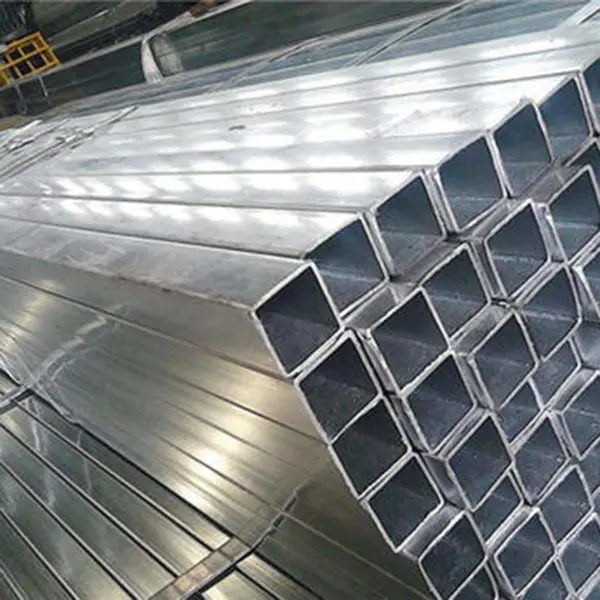
Galvanized Iron (GI) pipe, defined as carbon steel pipe coated with a layer of zinc, represents a crucial component in fluid and gas conveyance systems across numerous industries, including construction, agriculture, and water treatment. Its cost, typically expressed per kilogram, is a function of raw material prices (steel and zinc), manufacturing processes, pipe dimensions (diameter and wall thickness), and market demand. Understanding the factors influencing GI pipe cost per kg is critical for accurate project budgeting, material sourcing, and lifecycle cost analysis. This guide provides an in-depth examination of the material science, manufacturing, performance characteristics, potential failure modes, and relevant industry standards associated with GI pipe, with a specific focus on understanding the cost drivers and optimization strategies. The increasing emphasis on corrosion resistance and long-term durability makes a thorough understanding of GI pipe cost, beyond simply the initial purchase price, paramount for engineering professionals and procurement managers.
Material Science & Manufacturing
GI pipe production begins with carbon steel, typically grades such as ASTM A53 or EN 10255, chosen for their weldability and mechanical properties. The steel's composition, specifically the carbon content and presence of alloying elements like manganese and silicon, directly impacts its strength and susceptibility to corrosion. The galvanizing process, the core of GI pipe manufacturing, involves immersing the steel pipe in a molten zinc bath. The resulting metallurgical reaction forms layers of zinc-iron alloy and a final outer layer of pure zinc. This process follows several stages: steel pickling (to remove surface oxides), fluxing (to promote zinc adhesion), galvanizing (immersion in molten zinc, typically 98% pure), and finishing (cooling, inspection, and coating). Critical process parameters include zinc bath temperature (typically 450-460°C), immersion time, and cooling rate. Variations in these parameters affect the thickness and uniformity of the zinc coating, which directly impact corrosion resistance and, consequently, the pipe’s service life. Modern manufacturing techniques also include continuous galvanizing lines for high-volume production. Chemical composition of the steel substrate significantly influences the adherence of the zinc coating. The presence of lead, for instance, can improve the zinc-steel bond but is increasingly restricted due to environmental regulations. Post-galvanization coatings, such as chromate conversion coatings, were historically used to enhance corrosion protection but are being phased out in favor of environmentally friendly alternatives.
Performance & Engineering
The performance of GI pipe is primarily characterized by its corrosion resistance, mechanical strength, and pressure handling capacity. The zinc coating provides cathodic protection to the underlying steel, sacrificing itself to corrosion before the steel is affected. However, the rate of zinc consumption depends on environmental factors such as humidity, salinity, and exposure to acidic or alkaline substances. Engineering calculations for GI pipe systems must consider the pipe’s yield strength, tensile strength, and allowable stress. These properties are dictated by the steel grade and the pipe’s dimensions. Burst pressure calculations are crucial for ensuring the system's safety and reliability, particularly in high-pressure applications. Finite Element Analysis (FEA) is often employed to model stress distribution and identify potential failure points. Furthermore, GI pipe systems must be designed to accommodate thermal expansion and contraction to prevent stress buildup and potential leaks. Soil conditions, in buried pipeline applications, play a critical role in corrosion rates. Highly corrosive soils necessitate enhanced corrosion protection measures, such as increased zinc coating thickness or the application of external coatings like epoxy or polyethylene. Galvanic corrosion, where GI pipe is connected to dissimilar metals, must also be addressed through proper grounding and insulation techniques. Standard dimensional ratios (SDR) dictate the pressure-bearing capacity of the pipe.
Technical Specifications
| Parameter | ASTM A53 Grade B | EN 10255 (S235JR) | Typical Zinc Coating Thickness |
|---|---|---|---|
| Yield Strength (MPa) | 250 | 235 | 85 μm (for 1/2" pipe) |
| Tensile Strength (MPa) | 400-550 | 360-510 | 150 μm (for 2" pipe) |
| Zinc Coating Weight (g/m²) | N/A | N/A | 450-600 |
| Corrosion Resistance (Salt Spray Test, hours) | 100-200 | 120-240 | Up to 1000 (with pre-treatment) |
| Operating Temperature Range (°C) | -40 to 200 | -20 to 200 | N/A |
| Typical Cost per kg (USD) | 0.80 - 1.20 | 0.90 - 1.30 | Variable (depends on coating process) |
Failure Mode & Maintenance
GI pipe, despite its corrosion resistance, is susceptible to various failure modes. Uniform corrosion, where the zinc coating gradually erodes, is the most common. However, localized corrosion, such as pitting corrosion (caused by chloride ions) and crevice corrosion (occurring in shielded areas), can accelerate failure. Hydrogen embrittlement, a phenomenon where hydrogen atoms diffuse into the steel, leading to cracking, can occur in acidic environments. Mechanical damage, including dents, scratches, and weld defects, can compromise the integrity of the coating and expose the steel to corrosion. Fatigue cracking, induced by cyclical stress, can occur in applications involving vibrations or frequent pressure fluctuations. Maintenance strategies include regular visual inspections for signs of corrosion, applying protective coatings to damaged areas, and implementing cathodic protection systems in critical applications. Periodic hydrostatic testing can identify leaks and assess the pipe’s structural integrity. Proper jointing techniques (threading, welding, or flanging) are crucial for preventing leaks and ensuring long-term reliability. Internal inspection using pipeline inspection gauges (PIGs) can detect internal corrosion and blockages. For severely corroded sections, localized replacement or repair is often the most cost-effective solution. Failure analysis should always be conducted to identify the root cause of failures and prevent recurrence.
Industry FAQ
Q: What is the impact of zinc alloy composition on the lifespan of GI pipe?
A: The zinc alloy composition, specifically the presence of aluminum or other alloying elements, can significantly impact the corrosion resistance and lifespan of GI pipe. Aluminum-zinc alloys (Galvalume) generally exhibit superior corrosion resistance compared to pure zinc coatings, particularly in harsh environments. The addition of aluminum creates a protective barrier layer that inhibits the diffusion of corrosive agents to the steel substrate.
Q: How does the wall thickness of GI pipe affect its cost per kg and pressure handling capability?
A: Increasing the wall thickness of GI pipe directly increases its weight per unit length, thereby raising the cost per kg. However, a thicker wall also significantly enhances the pipe’s pressure handling capability and resistance to mechanical damage. The relationship between wall thickness and pressure capacity is governed by Barlow's formula and is a crucial consideration in engineering design.
Q: What are the environmental regulations concerning the galvanizing process and the disposal of zinc-containing waste?
A: The galvanizing process is subject to stringent environmental regulations concerning air emissions (zinc fumes) and wastewater discharge (containing zinc and other heavy metals). Regulations such as the Clean Air Act and the Clean Water Act impose limits on pollutant levels. Zinc-containing waste must be properly collected, treated, and disposed of in accordance with hazardous waste regulations. Increasingly, galvanizing plants are adopting closed-loop systems to minimize waste generation and recover zinc for reuse.
Q: What alternatives to traditional hot-dip galvanizing are available for corrosion protection of steel pipes?
A: Alternatives to hot-dip galvanizing include electrogalvanizing, sherardizing, zinc spraying (metallizing), and the application of organic coatings (epoxy, polyurethane, polyethylene). Electrogalvanizing offers a smoother, more uniform coating but typically provides lower corrosion resistance than hot-dip galvanizing. Sherardizing, a diffusion coating process, provides excellent corrosion protection in small components. Zinc spraying is suitable for large structures or field applications. Organic coatings can provide excellent corrosion protection but require careful surface preparation and may be susceptible to mechanical damage.
Q: How can cathodic protection be effectively integrated with GI pipe systems to extend their service life?
A: Cathodic protection (CP) can be effectively integrated with GI pipe systems, particularly in buried applications, to significantly extend their service life. Sacrificial anode CP involves attaching more active metals (e.g., magnesium, zinc, aluminum) to the pipeline, which corrode preferentially, protecting the steel. Impressed current CP uses an external power source to supply a protective current. Proper design and monitoring of the CP system are crucial for ensuring its effectiveness. The potential difference between the pipe and the surrounding environment must be maintained within the optimal range.
Conclusion
The cost of GI pipe per kg is a multifaceted parameter influenced by raw material fluctuations, manufacturing intricacies, coating quality, and environmental factors. A thorough understanding of the material science underpinning GI pipe – from steel composition to zinc adhesion – is critical for making informed sourcing decisions. Effective engineering design, incorporating proper stress analysis, corrosion mitigation strategies, and adherence to relevant industry standards, maximizes the lifespan and reliability of GI pipe systems, ultimately lowering lifecycle costs.
Looking ahead, the industry is witnessing a move toward more sustainable galvanizing processes, utilizing lower-zinc content coatings and closed-loop recycling systems. Furthermore, the development of advanced corrosion monitoring technologies and predictive maintenance strategies will play an increasingly important role in optimizing the performance and extending the service life of GI pipe infrastructure, refining cost estimations and contributing to more resilient and environmentally responsible engineering practices.
