
Introduction
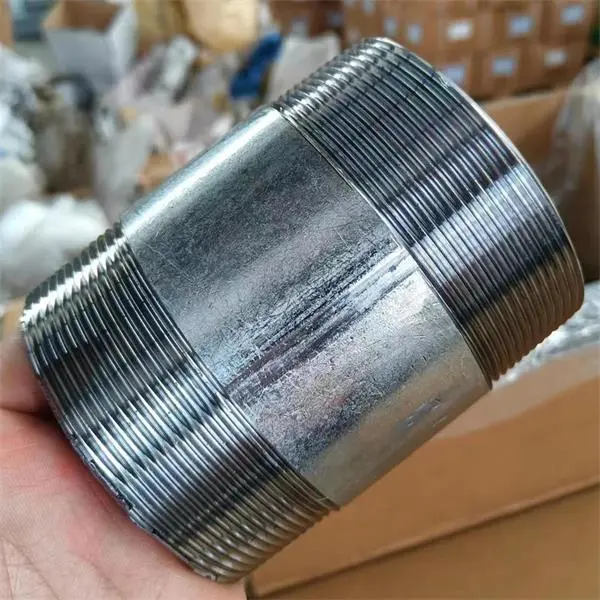
Galvanized Iron (GI) pipe, priced per kilogram, represents a fundamental component in fluid and gas conveyance systems across numerous industries including construction, water supply, irrigation, and fire protection. It’s a steel pipe coated with a protective layer of zinc, providing corrosion resistance. This guide details the material science, manufacturing processes, performance characteristics, failure modes, and relevant standards governing GI pipe, providing a comprehensive technical overview for procurement professionals and engineers. The kg price is a crucial metric, directly correlating to material costs and project budgeting, however, understanding the underlying quality and specifications is paramount. GI pipe’s position within the industry chain is as a semi-finished product, transitioning from steel mills and galvanizing facilities to construction sites and end-user applications. Core performance metrics revolve around pressure handling capability, corrosion resistance, and weldability, directly influencing the longevity and safety of infrastructure projects.
Material Science & Manufacturing
GI pipe begins with carbon steel, typically grades like ASTM A53 Grade B, characterized by a specific chemical composition containing iron, carbon, manganese, silicon, and phosphorus. The steel’s tensile strength (typically 415-530 MPa) and yield strength (typically 240-300 MPa) are critical for pressure containment. Manufacturing commences with steel billet production, followed by seamless or welded pipe formation. Seamless pipes are created through piercing and rolling processes, offering superior strength and pressure resistance. Welded pipes, produced via Electric Resistance Welding (ERW) or Double Submerged Arc Welding (DSAW), are more cost-effective. The galvanizing process, the defining characteristic of GI pipe, involves immersing the steel pipe in molten zinc. This creates a metallurgical bond, forming layers of zinc-iron alloy and pure zinc. Key parameters controlled during galvanizing include zinc bath temperature (450-460°C), immersion time, and steel surface preparation (pickling and fluxing to remove oxides). Zinc coating thickness, typically ranging from 50-300 μm, dictates corrosion protection levels, often classified based on zinc coating weight (e.g., Z275, Z400 – referencing grams of zinc per square meter). The manufacturing process is subject to strict quality control, including hydrostatic testing to verify pressure integrity and coating thickness verification using non-destructive testing (NDT) methods like magnetic induction.
Performance & Engineering
The performance of GI pipe is fundamentally governed by its ability to withstand internal pressure and external loads while resisting corrosion. Force analysis, considering hoop stress and longitudinal stress, is essential for determining appropriate wall thickness based on operating pressure. The Barlow’s formula (P = 2St/D, where P=pressure, S=tensile strength, t=wall thickness, D=diameter) is a primary tool in this assessment. Environmental resistance is directly linked to the zinc coating. While zinc provides sacrificial protection, preventing corrosion of the underlying steel, the rate of zinc consumption is affected by factors like humidity, salinity, and atmospheric pollutants. GI pipe’s performance also hinges on its weldability. Welding reduces the zinc coating at the weld zone, requiring immediate post-weld zinc coating repair (e.g., zinc-rich paint or hot-dip galvanizing) to restore corrosion protection. Compliance requirements are dictated by industry standards (detailed in the footer) and project specifications. Specifically, hydrostatic testing per ASTM A106/A53 ensures leak-tightness and structural integrity. Furthermore, cathodic protection systems can be integrated to enhance corrosion resistance in particularly aggressive environments. Proper installation practices, including adequate support and avoiding stress concentrations, are crucial for maximizing service life.
Technical Specifications
| Parameter | Unit | ASTM A53 Grade B (Typical) | EN 10255 (Typical) |
|---|---|---|---|
| Outer Diameter | mm | 1/2" - 12" (13.7 - 304.8) | 1/2" - 12" (13.7 - 304.8) |
| Wall Thickness | mm | 2.0 - 12.7 | 2.0 - 12.7 |
| Yield Strength | MPa | 240-300 | 235-345 |
| Tensile Strength | MPa | 415-530 | 360-485 |
| Zinc Coating Thickness | μm | 50-300 | 45-150 |
| Hydrostatic Test Pressure | MPa | Variable, based on diameter and wall thickness | Variable, based on diameter and wall thickness |
Failure Mode & Maintenance
GI pipe can experience several failure modes. Uniform corrosion, resulting from the gradual consumption of the zinc coating and subsequent corrosion of the steel, is common in exposed environments. Pitting corrosion, localized attack due to imperfections in the zinc coating or chloride contamination, can accelerate failure. Crevice corrosion occurs in shielded areas with limited oxygen access. Hydrogen embrittlement, a consequence of electrochemical reactions, can lead to cracking, particularly in high-strength steel. Mechanical damage, such as denting or gouging during handling, can compromise the coating and initiate corrosion. Fatigue cracking can develop under cyclical loading. Maintenance strategies involve regular inspection for coating damage, corrosion products, and mechanical defects. Repair of damaged coatings with zinc-rich paints is crucial. Cathodic protection, using sacrificial anodes or impressed current systems, provides long-term corrosion mitigation. Periodic hydrostatic testing can verify pipe integrity. Internal cleaning to remove scale and debris is also recommended, especially in water supply systems. Proper joint preparation and welding techniques are vital to prevent localized corrosion and failures at weld points. Addressing leaks promptly and implementing corrosion monitoring programs are essential for extending service life.
Industry FAQ
Q: What is the impact of saltwater exposure on the lifespan of GI pipe?
A: Saltwater significantly accelerates the corrosion rate of galvanized iron. Chloride ions penetrate the zinc coating, promoting localized corrosion and reducing its protective effect. In marine environments, the lifespan of GI pipe can be drastically reduced without supplemental corrosion protection like coatings or cathodic protection. Frequent inspection and protective measures are paramount.
Q: Can GI pipe be used for high-pressure gas lines?
A: While GI pipe can be used for gas lines, it’s subject to stringent regulations and limitations. Wall thickness calculations must account for the gas pressure and operating temperature. Regulations often specify maximum allowable working pressure (MAWP) and require periodic testing. Seamless GI pipe is generally preferred for higher pressure applications due to its superior strength. Compliance with local gas codes is mandatory.
Q: How does the manufacturing process (welded vs. seamless) affect the price of GI pipe?
A: Welded GI pipe is typically less expensive to manufacture than seamless pipe. The seamless manufacturing process is more complex and requires greater precision. However, seamless pipe offers higher strength and is preferred for critical applications demanding superior pressure resistance and reliability, justifying the higher price point.
Q: What are the advantages and disadvantages of hot-dip galvanizing compared to electrogalvanizing?
A: Hot-dip galvanizing provides a thicker, more durable zinc coating with better metallurgical bonding to the steel substrate, resulting in superior corrosion resistance. Electrogalvanizing produces a thinner, more uniform coating but offers lower corrosion protection. Hot-dip galvanizing is generally preferred for outdoor applications and harsh environments. Electrogalvanizing is often used for applications requiring a smoother surface finish.
Q: How do different zinc coating classifications (e.g., Z275, Z400) impact the price per kilogram of GI pipe?
A: Higher zinc coating classifications (e.g., Z400) translate to a thicker zinc layer and enhanced corrosion protection, consequently increasing the material cost and, therefore, the price per kilogram. The choice of zinc coating classification should be based on the intended application environment and required service life, balancing cost against performance.
Conclusion
Galvanized Iron (GI) pipe remains a cost-effective and reliable material for numerous fluid and gas conveyance applications. However, informed selection requires a comprehensive understanding of its material properties, manufacturing processes, performance characteristics, and potential failure modes. The kg price serves as a baseline metric, but should be evaluated alongside the specified zinc coating thickness, steel grade, and manufacturing method to ensure the pipe meets the demands of the intended application.
Future trends may see increased adoption of alternative corrosion protection technologies and the development of higher-strength GI pipe alloys. Implementing robust inspection and maintenance programs, coupled with adherence to relevant industry standards, is paramount to maximizing the lifespan and ensuring the safety and reliability of GI pipe infrastructure.
