
Introduction
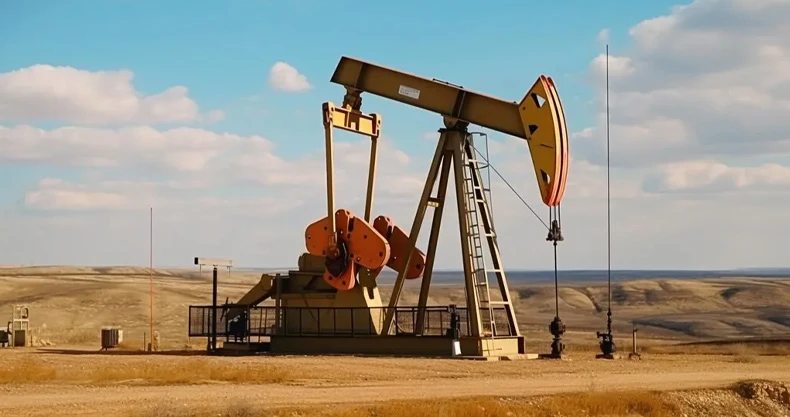
Hot rolled seamless pipe is a fundamental component in numerous industrial applications, including oil and gas transmission, structural engineering, and fluid conveyance systems. Distinguished by its manufacturing process – extruded or pierced from solid billets without a weld seam – it offers superior strength, pressure resistance, and reliability compared to welded alternatives. Its position within the industry chain resides between steelmaking and finished product fabrication, serving as a critical intermediary for downstream industries. Core performance characteristics revolve around its ability to withstand high pressure, temperature variations, and corrosive environments, directly impacting the safety and longevity of critical infrastructure. The absence of a weld seam mitigates potential failure points, making it the preferred choice for demanding applications where material integrity is paramount. This guide provides a comprehensive technical analysis of hot rolled seamless pipe, covering material science, manufacturing processes, performance characteristics, failure modes, and relevant industry standards.
Material Science & Manufacturing
The predominant material for hot rolled seamless pipe is carbon steel, specifically grades like A53, A106 (Gr. B, C), and API 5L (X42, X52, X60, X70). Alloy steels, including those containing chromium, molybdenum, and nickel, are employed for enhanced strength, corrosion resistance, and high-temperature performance. The raw material's chemical composition directly influences mechanical properties such as yield strength, tensile strength, and ductility. Manufacturing begins with heating solid steel billets to high temperatures (typically 1200-1300°C). This billet is then either pierced with a mandrel to create a hollow tube (the piercing process) or extruded through a die. Critical parameters during hot rolling include temperature control, reduction ratio (the amount of thickness reduction per pass), and rolling speed. These parameters influence grain structure, mechanical properties, and dimensional accuracy. Post-rolling processes encompass normalizing, pickling, and oiling to refine the microstructure, remove surface scale, and protect against corrosion. Non-destructive testing (NDT), including ultrasonic testing (UT) and radiographic testing (RT), is crucial to identify internal and surface defects. The resulting microstructure, typically a ferrite-pearlite matrix in carbon steels, dictates the pipe’s susceptibility to brittle fracture and corrosion. Maintaining tight control over chemical composition and processing parameters ensures consistent material properties and compliance with industry specifications.
Performance & Engineering
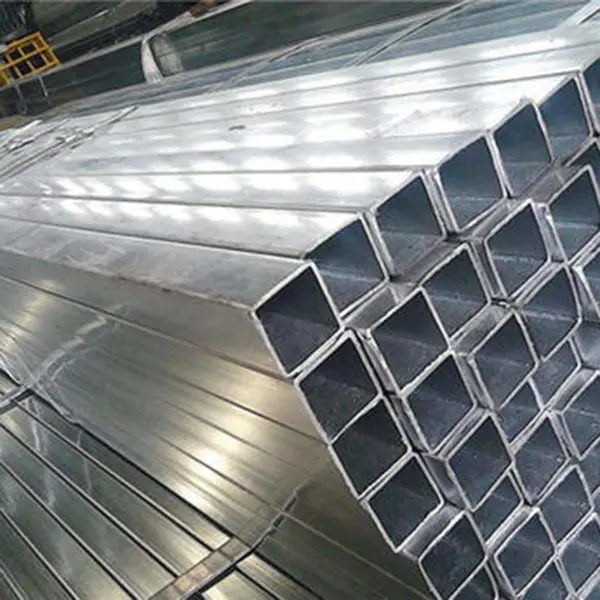
The performance of hot rolled seamless pipe is heavily reliant on its ability to withstand internal and external pressures, as well as stresses induced by thermal expansion, bending, and axial loading. Force analysis typically employs finite element analysis (FEA) to model stress distribution under various loading conditions. The hoop stress (σh = PD/2t, where P is pressure, D is diameter, and t is wall thickness) is a critical parameter in pressure vessel design. Environmental resistance is paramount, particularly in corrosive environments. Corrosion mechanisms include general corrosion, pitting corrosion, crevice corrosion, and stress corrosion cracking (SCC). Material selection and the application of protective coatings (epoxy, polyurethane, galvanized coatings) mitigate corrosion risks. Compliance requirements stem from standards like ASME B31.3 (Process Piping) and API 5L (Line Pipe), dictating design factors, material specifications, and testing protocols. Functional implementation demands careful consideration of fluid flow characteristics, heat transfer rates (in high-temperature applications), and compatibility with conveyed fluids. For example, transporting sour gas requires materials with low hydrogen sulfide (H2S) induced cracking susceptibility. Understanding the yield strength, tensile strength, elongation, and impact toughness of the pipe material is critical for ensuring structural integrity and preventing catastrophic failure. Fatigue analysis is also essential for applications involving cyclic loading.
Technical Specifications
| Parameter | ASTM A53 Grade B | API 5L X52 | ASTM A106 Grade C |
|---|---|---|---|
| Yield Strength (MPa) | 250 | 345 | 276 |
| Tensile Strength (MPa) | 400 | 485 | 414 |
| Elongation (%) | 23 | 22 | 20 |
| Wall Thickness Range (mm) | 2-25 | 6.4-25.4 | 3.4-19.1 |
| Outside Diameter Range (mm) | 21.3-660.4 | 33.7-1219.2 | 19.4-660.4 |
| Charpy V-Notch Impact Energy (J @ -20°C) | 27 | 27 | 27 |
Failure Mode & Maintenance
Common failure modes in hot rolled seamless pipe include corrosion-induced cracking, fatigue cracking, ductile fracture, and erosion. Corrosion, particularly pitting and SCC, initiates at surface defects or stress concentrations. Fatigue cracking occurs under cyclic loading, often at weld seams (if repairs are made) or geometric discontinuities. Ductile fracture results from exceeding the material’s tensile strength, typically due to overpressure or excessive bending. Erosion, prevalent in abrasive fluid transport, gradually removes material, reducing wall thickness. Failure analysis techniques include fractography (examining fracture surfaces), chemical composition analysis, and non-destructive testing (NDT). Preventative maintenance strategies encompass regular inspections (visual, UT, RT), corrosion monitoring, and cathodic protection. Internal inspections using intelligent pigging technology can detect corrosion, cracks, and debris buildup. External coating maintenance is crucial for preventing atmospheric corrosion. Repair procedures involve grinding out defects, welding repairs (following qualified procedures and NDT verification), and applying protective coatings. Replacement is necessary when wall thickness falls below minimum specified values or significant cracking is detected. Proper material selection, rigorous quality control during manufacturing, and diligent maintenance are essential for maximizing the service life and ensuring the safe operation of hot rolled seamless pipe systems.
Industry FAQ
Q: What is the primary advantage of seamless pipe over welded pipe in high-pressure applications?
A: Seamless pipe lacks a weld seam, eliminating a potential point of failure and providing superior strength and resistance to pressure-induced cracking. Welded seams, even with rigorous quality control, represent a structural discontinuity that can compromise the pipe’s integrity under high stress.
Q: How does the chemical composition of the steel impact its corrosion resistance?
A: The addition of alloying elements like chromium, nickel, and molybdenum significantly enhances corrosion resistance. Chromium forms a passive oxide layer protecting the underlying steel from corrosion. Nickel improves resistance to pitting and crevice corrosion. Molybdenum enhances resistance to chloride stress corrosion cracking.
Q: What is the significance of Charpy V-Notch impact testing, and how are the results interpreted?
A: Charpy V-Notch impact testing measures the energy absorbed by a notched specimen during fracture. It assesses the material's ductility and resistance to brittle fracture, especially at low temperatures. Higher impact energy values indicate greater toughness and resistance to cracking in cold environments.
Q: What are the key considerations when selecting a protective coating for hot rolled seamless pipe?
A: Coating selection depends on the operating environment, fluid conveyed, temperature, and abrasive conditions. Factors to consider include adhesion, chemical resistance, abrasion resistance, flexibility, and cost. Common coatings include epoxy, polyurethane, and galvanizing.
Q: What is intelligent pigging, and how is it used for pipeline inspection?
A: Intelligent pigging involves inserting a sophisticated device ("pig") into the pipeline to inspect the internal condition. These pigs utilize technologies like ultrasonic testing (UT), magnetic flux leakage (MFL), and eddy current testing (ECT) to detect corrosion, cracks, dents, and other anomalies without requiring excavation or pipeline shutdown.
Conclusion
Hot rolled seamless pipe remains a critical material in a wide range of industrial sectors due to its inherent strength, reliability, and resistance to failure. Its manufacturing process, demanding precise control of temperature, reduction ratios, and chemical composition, ensures consistent material properties and compliance with stringent industry standards. Understanding the interplay between material science, engineering principles, and potential failure modes is paramount for ensuring the long-term integrity and safe operation of pipeline systems.
Continued advancements in NDT techniques, corrosion-resistant alloys, and coating technologies will further enhance the performance and lifespan of hot rolled seamless pipe. Proactive maintenance strategies, including regular inspections and preventative measures, are vital for mitigating risks and maximizing return on investment. As industries increasingly demand higher levels of safety and reliability, the role of hot rolled seamless pipe will remain central to critical infrastructure projects worldwide.
