
In high-pressure marine environments, class 300 pipe fittings serve as essential pressure boundary components. Marine piping architectures operate under extreme conditions characterized by salt spray exposure, continuous mechanical vibration, and rapid fluid pressure surges. Failure at a single threaded junction can result in fluid leaks, system pressure loss, or catastrophic operational downtime in critical offshore operations.
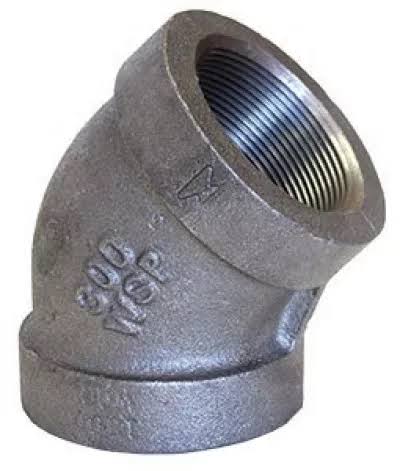
To withstand these severe operational dynamics, naval architects and industrial piping engineers prioritize material ductility, corrosion resistance, and precise thread geometry. Malleable iron and high-grade bronze alloys represent the benchmark materials for pressure-containing fittings where high tensile strength and impact absorption are essential requirements.
Metallurgical Properties and Mechanical Resiliency under Stress
Malleable iron fittings are manufactured through a controlled annealing heat-treatment process that converts brittle white iron into a matrix containing nodular graphite. This metallurgical transformation imparts superior tensile strength and elongation characteristics, allowing the fittings to deform slightly under thermal expansion or structural shock without cracking. This mechanical ductility is crucial in marine and industrial processing plants where piping networks undergo continuous expansion and contraction cycles.
Furthermore, surface treatment plays a pivotal role in prolonging component service life. Hot-dipped galvanizing creates a multi-layered zinc-iron alloy coating that provides both barrier protection and sacrificial anodic protection against aggressive marine environments. When combined with rigorous thread inspection standards, galvanized malleable iron fittings maintain reliable seals over decades of continuous duty.
Standardization and Interoperability across Global Fleet Infrastructure
Global shipping and international industrial projects require complete standardization to ensure seamless repair and component replacement. Thread profiles compliant with ANSI B 16.3, NPT, and BSP standards guarantee tight mechanical engagement and prevent thread stripping under heavy torque. Standardized dimensions allow engineering teams to execute routine maintenance swiftly without custom machining delays.
Quality assurance standards such as UL, FM, and ISO 9001 certifications provide non-negotiable benchmarks for pressure rating compliance. Ensuring that every fitting undergoes hydrostatic and dimensional verification guarantees that system pressure parameters remain fully safeguarded during peak hydraulic demand cycles.
Integrating Premium Components into Global Supply Chains
Maintaining uninterrupted production in complex industrial facilities requires an established supply network capable of providing standardized, high-performance components. Industrial contractors routinely depend on a beaded malleable iron pipe fitting selection to reinforce high-stress junctions across fluid distribution networks, ensuring high mechanical safety margins.
Working alongside an advanced supplier equips engineering teams with automated DISA production precision, uniform thread pitch alignment, and high-volume delivery capacity. This technical coordination between material foundry innovation and site installation standards ensures robust, leak-free performance across critical marine and heavy industry infrastructure.
Long-Term System Performance and Preventative Maintenance Strategy
Implementing strict quality criteria during initial component procurement drastically lowers long-term operational expenditures. By combining high-grade ductile materials with appropriate thread sealants and routine ultrasonic corrosion testing, plant managers can safeguard pressure systems against environmental degradation, preserving plant safety and system efficiency.
