
Introduction
Metal carport square tubing represents a critical structural component in the rapidly expanding prefabricated shelter and outdoor living market. Typically manufactured from steel – including carbon steel, galvanized steel, and increasingly, higher-strength low-alloy steels – it provides the load-bearing framework for carports, RV covers, sheds, and agricultural structures. Its prevalence stems from a combination of cost-effectiveness, ease of fabrication, and high strength-to-weight ratio. The tubing’s square profile optimizes material utilization and simplifies connections using welding, bolting, or specialized joining techniques. A primary industry pain point revolves around balancing structural integrity with corrosion resistance, particularly in environments exposed to de-icing salts, humidity, and industrial pollutants. Furthermore, ensuring consistent dimensional accuracy and weld quality across large-scale manufacturing runs presents a persistent challenge. This guide provides a comprehensive technical overview of metal carport square tubing, covering material science, manufacturing processes, performance characteristics, failure modes, and relevant industry standards.
Material Science & Manufacturing
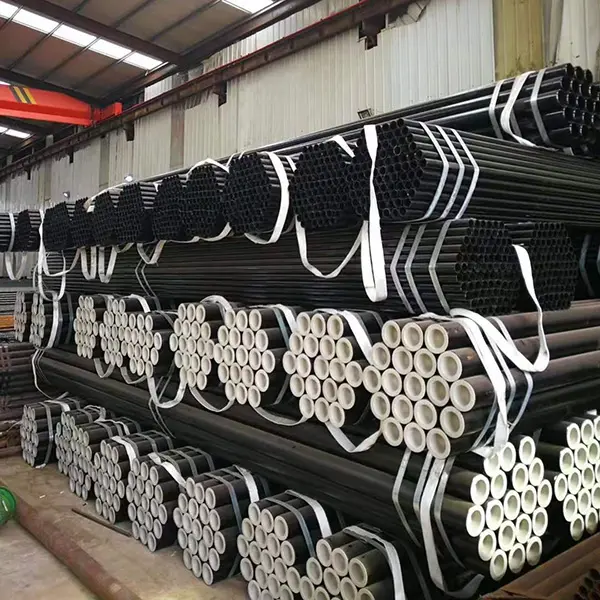
The predominant material for metal carport square tubing is carbon steel, commonly specified in grades like A36, Q235, or equivalent. These steels offer acceptable weldability and formability, alongside moderate strength. Galvanized steel tubing, produced through hot-dip galvanization, significantly enhances corrosion resistance by applying a protective zinc coating. The zinc acts as a sacrificial anode, corroding preferentially to the underlying steel. More advanced options incorporate weathering steels (ASTM A588), which develop a protective rust patina over time, eliminating the need for painting. Low-alloy steels containing elements like manganese, vanadium, or niobium are increasingly used to achieve higher yield and tensile strengths, reducing material thickness and overall weight. The manufacturing process typically begins with steel coil or billet, which is formed into square tubing using cold-forming or hot-rolling techniques. Cold-forming is preferred for tighter dimensional tolerances and smoother surface finishes, while hot-rolling is more cost-effective for larger production volumes. Key parameters during manufacturing include wall thickness control (critical for buckling resistance), squareness and straightness (affecting structural integrity and aesthetics), and weld quality (ensured through non-destructive testing methods like ultrasonic testing and radiographic inspection). Surface preparation is crucial prior to galvanization or painting, involving cleaning, pickling, and fluxing to ensure adequate coating adhesion. Powder coating is also a common finishing option, providing enhanced corrosion protection and aesthetic appeal.
Performance & Engineering
The structural performance of metal carport square tubing is primarily dictated by its section modulus (S), moment of inertia (I), and yield strength (σy). These properties determine the tubing’s resistance to bending, buckling, and axial loads. Engineers employ finite element analysis (FEA) to model the structural behavior of carports under various load scenarios, including wind loads, snow loads, and live loads (vehicle weight). Buckling is a critical failure mode, particularly for thin-walled tubing subjected to compressive forces. The buckling resistance is directly related to the wall thickness and the tubing’s cross-sectional shape. Connections between tubing members are often the weakest link in a carport structure. Welding is a common joining method, requiring careful control of welding parameters (current, voltage, travel speed) to ensure complete fusion and minimize residual stresses. Bolted connections, utilizing high-strength bolts and properly designed gusset plates, provide an alternative that simplifies assembly and disassembly. Compliance with local building codes and industry standards is paramount. These codes typically specify minimum load requirements, wind resistance factors, and snow load calculations. Corrosion resistance is another crucial performance parameter. Galvanization provides a level of protection, but its effectiveness can be reduced in harsh environments. Applying protective coatings, such as epoxy primers or polyurethane topcoats, further enhances corrosion resistance. Environmental resistance considerations also include UV exposure, which can degrade paint and coating films over time, and thermal expansion/contraction, which can induce stresses in connections.
Technical Specifications
| Parameter | Units | Typical Value (Carbon Steel A36) | Typical Value (Galvanized Steel) |
|---|---|---|---|
| Yield Strength | MPa | 250 | 250 |
| Tensile Strength | MPa | 400 | 400 |
| Wall Thickness | mm | 1.5 – 3.0 | 1.5 – 3.0 |
| Outside Dimension | mm | 50x50 – 100x100 | 50x50 – 100x100 |
| Zinc Coating Thickness (Galvanized) | µm | N/A | 80 – 120 |
| Weight per Meter | kg/m | 2.5 – 8.0 (dependent on dimensions) | 2.6 – 8.2 (dependent on dimensions) |
Failure Mode & Maintenance
Common failure modes in metal carport square tubing include corrosion-induced section loss, fatigue cracking at welded connections, buckling due to excessive loads, and localized yielding. Corrosion is accelerated by the presence of chlorides (from de-icing salts) and moisture. Fatigue cracking typically initiates at stress concentrations, such as weld toes or sharp corners. Buckling is more prevalent in thin-walled tubing subjected to compressive loads. Maintenance strategies should focus on regular inspections to identify signs of corrosion, cracking, or deformation. Protective coatings should be reapplied as needed to maintain corrosion resistance. Welded connections should be periodically inspected for cracks using visual inspection or non-destructive testing methods. Promptly address any signs of rust or corrosion by cleaning the affected area and applying a corrosion inhibitor or fresh coating. Tighten any loose bolts or fasteners. Avoid overloading the carport structure, as this can accelerate fatigue damage and increase the risk of buckling. For galvanized steel, consider periodic application of a zinc-rich coating to repair damaged galvanization layers. Regular washing, especially in coastal or industrial environments, can remove corrosive contaminants and extend the lifespan of the structure. Finally, document all maintenance activities and inspections to track the condition of the carport over time.
Industry FAQ
Q: What is the primary difference between using A36 and galvanized steel for carport framing, and when would I choose one over the other?
A: A36 carbon steel is more cost-effective and offers good weldability, but is susceptible to corrosion. Galvanized steel provides superior corrosion resistance due to the zinc coating. Choose A36 when the carport is in a dry, sheltered environment and will be regularly painted or treated for corrosion. Galvanized steel is preferred for coastal areas, regions with heavy rainfall, or where minimal maintenance is desired. The initial cost of galvanized steel is higher, but the long-term cost of ownership may be lower due to reduced maintenance.
Q: How does wall thickness affect the load-bearing capacity of square tubing, and what’s the minimum recommended thickness for a carport in a high-wind zone?
A: Load-bearing capacity increases exponentially with wall thickness. A thicker wall provides greater resistance to bending and buckling. For a high-wind zone (e.g., exceeding 90 mph), a minimum wall thickness of 2.0mm is generally recommended, although this should be verified by a qualified structural engineer based on specific site conditions and building codes.
Q: What are the key considerations when welding galvanized steel square tubing to ensure the weld’s integrity and prevent corrosion?
A: Welding galvanized steel releases zinc fumes that are harmful to health and can embrittle the weld. Use proper ventilation and respiratory protection. Degrease and clean the galvanization from the weld area before welding. Employ a welding process suitable for galvanized steel, such as MIG or flux-cored arc welding. Apply a zinc-rich primer or coating to the weld area after welding to restore the protective zinc layer.
Q: What type of coating offers the best long-term corrosion protection for a carport frame, and what’s the expected lifespan of a well-maintained coated frame?
A: A multi-layer coating system consisting of an epoxy primer followed by a polyurethane topcoat offers excellent long-term corrosion protection. Powder coating is also a very durable option. With proper application and regular maintenance (re-coating as needed), a well-maintained coated frame can have a lifespan of 20-30 years or more.
Q: What non-destructive testing methods are commonly used to ensure the quality of welds on carport square tubing?
A: The most common non-destructive testing methods include visual inspection (VT) for surface defects, ultrasonic testing (UT) to detect internal flaws, and radiographic testing (RT) – using X-rays – for a more comprehensive assessment of weld integrity. Liquid penetrant testing (PT) can also be used to identify surface cracks.
Conclusion
Metal carport square tubing serves as a foundational element in modern outdoor shelter construction, demanding a thorough understanding of its material properties, manufacturing processes, and performance characteristics. The selection of appropriate steel grades, galvanization techniques, and protective coatings is critical to achieving long-term durability and structural integrity. Adhering to relevant building codes and industry standards is paramount, alongside meticulous attention to weld quality and connection design.
Looking forward, advancements in high-strength low-alloy steels and innovative coating technologies will likely drive further improvements in carport design and performance. The increasing adoption of prefabrication and modular construction techniques will necessitate tighter dimensional tolerances and streamlined joining methods. Continued research into corrosion mitigation strategies and fatigue resistance will be essential for ensuring the longevity and cost-effectiveness of metal carport structures.
