
Introduction
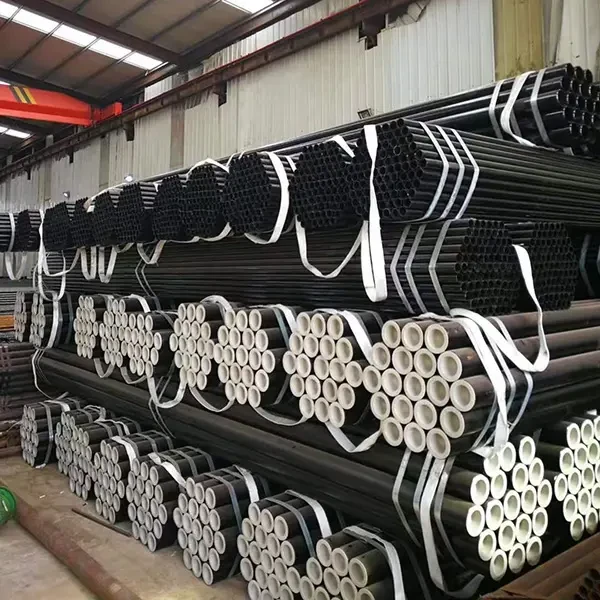
Pre-galvanized square steel pipe is a fabricated structural component produced by hot-rolling or cold-forming steel into a square cross-section, followed by a galvanization process applied before any fabrication such as welding or cutting. This distinguishes it from after-fabrication galvanization. Its primary position within the construction and industrial supply chain is as a cost-effective and corrosion-resistant alternative to solid steel sections and other hollow structural sections (HSS). Core performance characteristics center around its strength-to-weight ratio, ease of welding and bolting (though pre-galvanization impacts weld integrity, as detailed later), and, critically, its protective zinc coating which provides a barrier against atmospheric corrosion. The selection of pre-galvanized pipe over other forms hinges on initial cost, project timelines (avoiding the delays associated with post-fabrication galvanization), and anticipated environmental exposure. It’s vital to understand its limitations regarding coating damage during fabrication and potential for localized corrosion at cut edges.
Material Science & Manufacturing
The base material for pre-galvanized square steel pipe is typically carbon steel, often conforming to ASTM A500 Grade B or similar standards. The chemical composition predominantly comprises iron (Fe), with varying amounts of carbon (C), manganese (Mn), silicon (Si), phosphorus (P), and sulfur (S). The carbon content is crucial, influencing weldability and ductility; higher carbon content increases strength but reduces weldability. Manufacturing begins with the production of flat steel coils. These coils are then formed into the square profile using either a roll-forming or press-braking process. Roll-forming progressively bends the steel through a series of rollers to achieve the desired shape, ideal for large production runs. Press-braking utilizes a die to bend the steel, suitable for smaller batches and tighter tolerances. Following forming, the pipes undergo the galvanization process. This typically involves hot-dip galvanizing – immersing the steel in a bath of molten zinc. The zinc metallurgically bonds with the steel surface, creating a protective layer. Critical parameters during galvanization include bath temperature (around 450-460°C), immersion time, and steel surface preparation (cleaning to remove mill scale and contaminants). Proper surface preparation is paramount; incomplete cleaning results in a non-uniform zinc coating, diminishing corrosion resistance. The thickness of the zinc coating is usually specified in terms of coating weight (e.g., G90, indicating 0.90 ounces of zinc per square foot of steel surface) and conforms to ASTM A653 standards.
Performance & Engineering
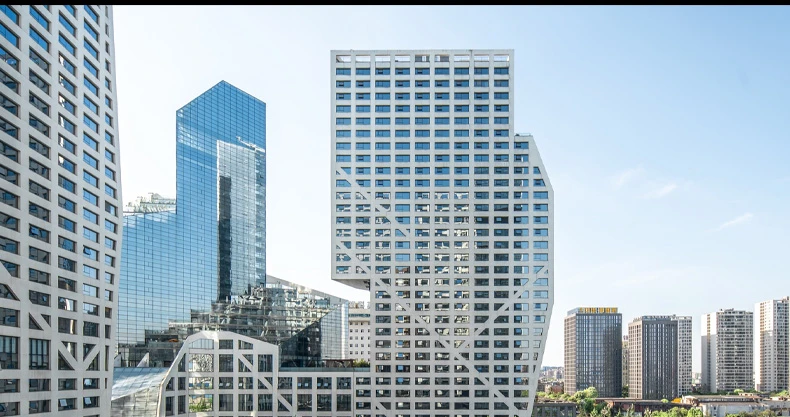
The structural performance of pre-galvanized square steel pipe is dictated by its section modulus (S), moment of inertia (I), and yield strength (σy). These parameters determine its resistance to bending and buckling under load. Force analysis considers axial loads, bending moments, shear forces, and torsional stresses. Environmental resistance is primarily provided by the zinc coating. However, the effectiveness of this coating is significantly impacted by the environment. In marine environments, chloride ions accelerate corrosion, potentially leading to localized pitting corrosion, especially at scratches or weld areas. Industrial environments containing sulfur dioxide or other pollutants can also degrade the zinc coating. Galvanic corrosion can occur if the steel pipe is in contact with dissimilar metals in a conductive environment. Compliance requirements are stringent, often dictated by building codes (IBC, UBC) and industry standards (AISC). For example, structural applications require adherence to load-bearing capacity calculations and safety factors defined in these codes. The galvanization process itself must comply with standards such as ASTM A123 to ensure coating quality and adherence. The weldability of pre-galvanized steel is reduced due to the zinc coating; the zinc vaporizes during welding, creating fumes harmful to human health and potentially weakening the weld. Specialized welding procedures, such as using low-hydrogen electrodes and maintaining adequate ventilation, are essential.
Technical Specifications
| Parameter | Unit | ASTM A500 Grade B (Typical) | ASTM A653 G90 (Typical Galvanization) |
|---|---|---|---|
| Yield Strength | MPa | 250 | N/A |
| Tensile Strength | MPa | 345 | N/A |
| Zinc Coating Weight | oz/ft² | N/A | 0.90 |
| Minimum Wall Thickness | mm | Variable (dependent on size) | N/A |
| Typical Size Range | inches | 0.5” – 8” | N/A |
| Chemical Composition (Max. Carbon) | % | 0.25 | N/A |
Failure Mode & Maintenance
Failure modes in pre-galvanized square steel pipe are diverse. Corrosion is the most common, manifesting as uniform corrosion, pitting corrosion (especially in chloride-rich environments), and crevice corrosion (at joints and connections). Fatigue cracking can occur under cyclic loading, particularly at weld points or areas of stress concentration. Yielding and buckling occur when the applied load exceeds the material's capacity. Coating degradation happens through abrasion, impact damage (during handling or installation), and chemical attack. Hydrogen embrittlement is a less frequent, but critical failure mode, especially during welding. The zinc coating can react with moisture, producing hydrogen which diffuses into the steel, reducing ductility and promoting cracking. Maintenance primarily focuses on preventative measures. Regular inspection for corrosion, especially in harsh environments, is crucial. Damaged coatings should be repaired using zinc-rich paints or re-galvanization. If welding is required, ensure proper pre- and post-weld treatment, including thorough cleaning to remove flux residue and the application of a protective coating to the weld area. Avoid using abrasive cleaning methods that can remove the galvanization. For long-term protection, consider applying a duplex coating system – a combination of galvanizing and a paint coating for enhanced barrier protection. Routine cleaning to remove dirt, debris, and corrosive substances will prolong the service life.
Industry FAQ
Q: What are the limitations of using pre-galvanized pipe for welded structures compared to using bare steel and hot-dip galvanizing after welding?
A: The primary limitation is weldability. The zinc coating produces fumes during welding that are hazardous and can affect weld quality. The zinc also hinders proper fusion, potentially creating weak welds. While specialized welding procedures can mitigate these issues, they add cost and complexity. Post-fabrication galvanizing offers a more uniform and complete coating, ensuring better corrosion protection for the entire welded structure.
Q: How does the thickness of the zinc coating (e.g., G90 vs. G60) impact the long-term corrosion resistance?
A: A thicker zinc coating (G90) provides a longer sacrificial barrier against corrosion compared to a thinner coating (G60). The zinc corrodes preferentially, protecting the underlying steel. A thicker coating takes longer to be consumed, extending the pipe's service life, particularly in aggressive environments. However, thicker coatings also increase cost.
Q: What is the recommended procedure for cutting pre-galvanized pipe without compromising corrosion protection?
A: Cutting pre-galvanized pipe inevitably exposes the steel substrate. Immediately after cutting, the exposed edges must be treated with a zinc-rich paint or a cold galvanizing compound to restore the protective coating. Avoid using abrasive cutting methods that create excessive heat and damage the surrounding galvanization. Band saws or shearing are preferred methods.
Q: How does temperature affect the performance of a galvanized coating?
A: Elevated temperatures (above approximately 200°C or 392°F) can alter the metallurgical structure of the zinc coating, potentially reducing its adhesion and corrosion resistance. Prolonged exposure to high temperatures can lead to the formation of brittle intermetallic layers. In fire situations, the zinc coating will melt, but it can provide a limited degree of initial thermal protection.
Q: What are the key considerations when specifying pre-galvanized square steel pipe for outdoor applications in coastal environments?
A: Coastal environments are highly corrosive due to the presence of salt spray. In these applications, specify a thicker zinc coating (G100 or higher). Consider using a duplex coating system (galvanizing plus a paint coating). Proper design to avoid water pooling and crevices is also essential. Regular inspection and maintenance are critical to identify and address any signs of corrosion early on.
Conclusion
Pre-galvanized square steel pipe offers a viable solution for numerous structural applications where cost-effectiveness and corrosion resistance are paramount. Its manufacturing process, while efficient, necessitates a thorough understanding of the limitations imposed by the pre-application of the zinc coating, particularly concerning weldability and potential for localized corrosion. Careful material selection based on environmental conditions and anticipated loads, coupled with proper fabrication and maintenance practices, are crucial to maximizing its service life and ensuring structural integrity.
Moving forward, advancements in coating technology, such as the development of improved zinc alloy coatings and more robust duplex systems, are likely to enhance the performance and longevity of pre-galvanized steel products. Furthermore, increasingly stringent environmental regulations will continue to drive demand for corrosion-resistant materials like pre-galvanized steel, particularly in infrastructure projects and marine applications. Proper engineering design, focusing on minimizing stress concentrations and facilitating easy inspection and maintenance, remains the cornerstone of successful implementation.
