
Partnering with a high quality socket weld elbow company is an absolute engineering necessity for naval architects and marine engineers designing fluid systems for ocean-going vessels. In the highly demanding sectors of deep-sea shipbuilding, offshore oil rig construction, and heavy aerospace manufacturing, piping networks are subjected to some of the most brutal environmental and mechanical conditions on the planet. These connection points—whether they are heavy-duty flanges, forged elbows, or reinforced tees—must constantly battle extreme internal hydrostatic pressures, violent thermal expansion, continuous heavy mechanical vibration, and relentless high-salinity corrosive atmospheres. In these mission-critical environments, precision engineering is the only barrier between safe operation and catastrophic failure.
The Menace of High-Frequency Mechanical Vibration
Inside the confined engine room of a massive cargo ship or deep-water drilling platform, the environment is dominated by the deafening roar and intense vibration of massive marine diesel engines, turbines, and heavy-duty centrifugal pumps. This high-frequency mechanical vibration is the ultimate enemy of pipeline integrity.
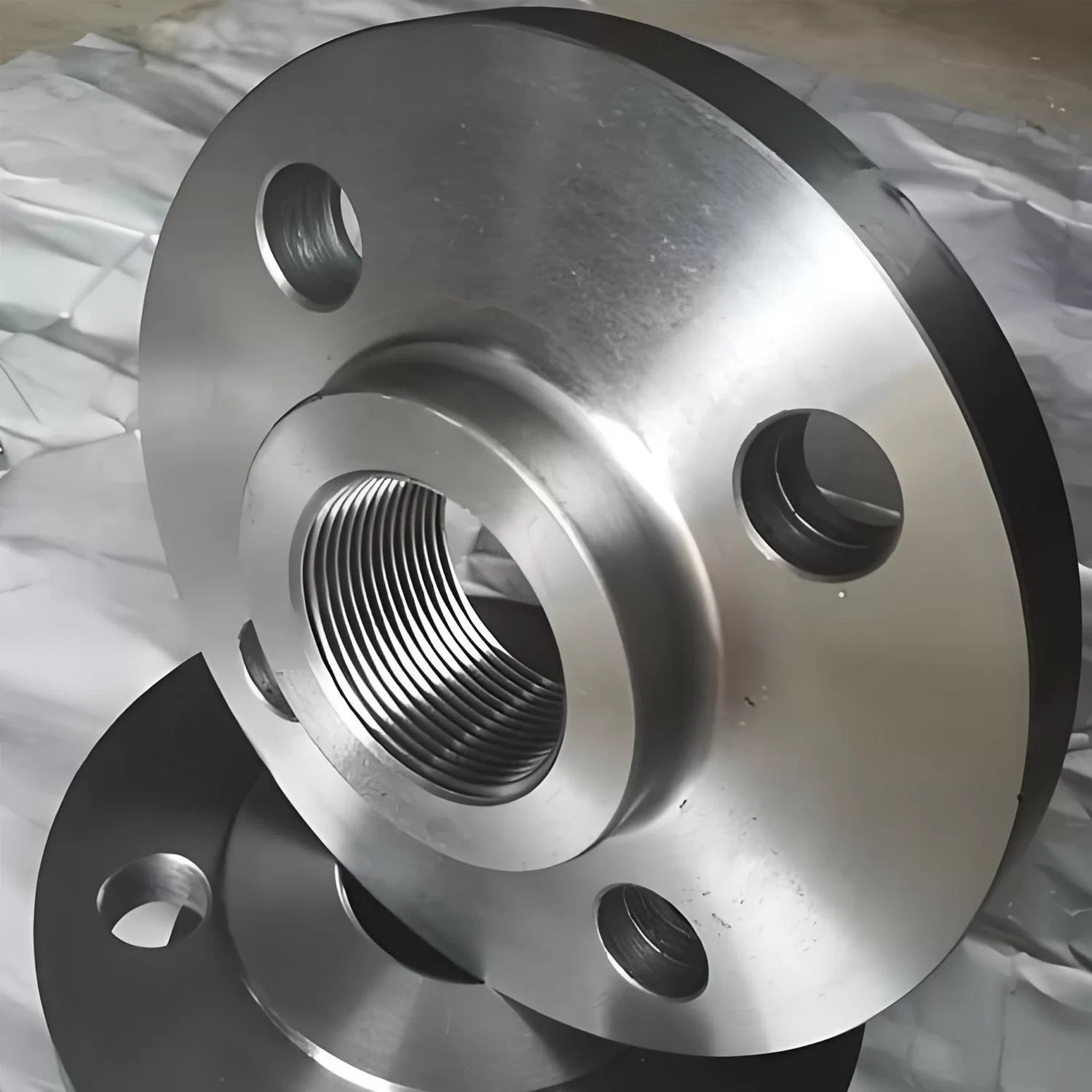
Historically, some utility lines utilized threaded flanges for their ease of maintenance in tight spaces. However, the maritime industry has learned through harsh experience that threaded connections are exceptionally vulnerable to vibration. The constant micro-movements gradually back the threads out, destroying the gasket's sealing force. Furthermore, the sharp roots of the internal threads act as massive stress concentration zones, where vibrational fatigue rapidly initiates microscopic cracks. In the highly corrosive marine atmosphere, these cracks propagate with terrifying speed, leading to sudden, pressurized leaks of volatile marine diesel or super-heated steam.
The Superiority of Socket Welded Architectures
To completely neutralize the threat of vibration-induced fatigue in small-diameter, high-pressure piping (typically NPS 2" and smaller), marine engineers strictly mandate the use of socket-welded fittings. When a shipbuilder procures components from a high quality socket welded tee factory, they are investing in ultimate joint rigidity.
During installation, the pipe is inserted deep into the recessed area (the socket) of the forged fitting. A highly skilled welder then applies a heavy, continuous fillet weld around the exterior junction. This design creates a joint with exceptional structural integrity, vastly superior fatigue resistance, and absolute leak-proof characteristics. The socket design also ensures perfect self-alignment of the pipe during welding, preventing the creation of internal weld spatter (icicles) that could break off and destroy sensitive downstream turbines or high-pressure hydraulic valves.
Metallurgy and Corrosion Resistance
Beyond mechanical strength, heavy industrial applications demand elite metallurgy. Saltwater and marine atmospheres rapidly destroy standard carbon steel. Advanced marine piping systems heavily utilize specialized alloys such as 316L Stainless Steel, Cupro-Nickel, or Super Duplex alloys. The fittings must perfectly match the pipe's metallurgy to prevent galvanic corrosion at the weld zone.
Elevating the Global Supply Chain
For shipyards and offshore EPC contractors, supply chain reliability is just as important as the engineering itself. When sourcing the thousands of heavy-duty fittings currently for sale for a massive marine project, buyers cannot afford to gamble on unverified manufacturers. Relying on elite global Suppliers is mandatory. An advanced supplier, operating as a premium manufacturer, guarantees that every single forged elbow, tee, and flange is accompanied by rigorous MTCs (Mill Test Certificates) and conforms strictly to ASME B16.11 standards. By integrating uncompromising metallurgical quality with vibration-proof socket-welded designs, heavy industry can construct marine vessels and offshore platforms capable of conquering the most hostile environments on earth safely and efficiently.
