
Introduction
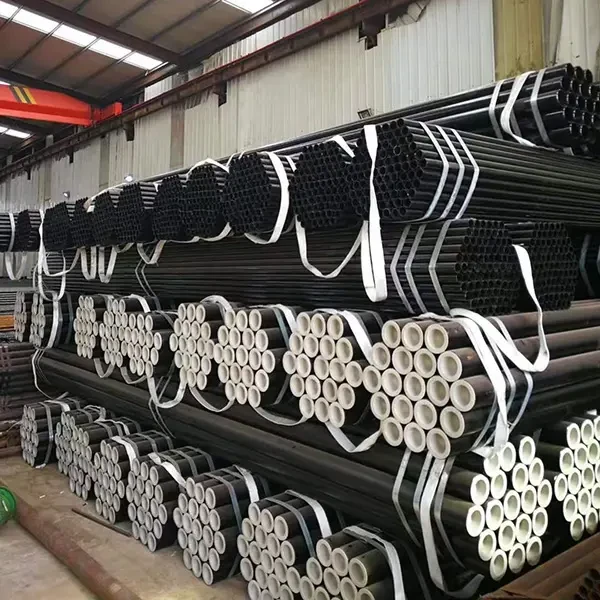
Square pipe cutting is a fundamental operation in numerous industrial applications, spanning structural fabrication, mechanical engineering, architectural construction, and fluid transport systems. This guide provides a comprehensive technical overview of the process, encompassing material science, manufacturing considerations, performance parameters, failure analysis, and applicable industry standards. The precision and quality of a square pipe cut directly impacts the structural integrity, functionality, and longevity of the final product. Common challenges include achieving squareness, minimizing burr formation, managing heat-affected zones, and ensuring dimensional accuracy across varying material thicknesses and alloy compositions. This document will address these pain points through detailed analysis and practical guidance, positioning itself as a definitive resource for engineers, fabricators, and procurement professionals.
Material Science & Manufacturing
Square pipes are typically manufactured from carbon steel (ASTM A500, EN 10210), stainless steel (ASTM A312, EN 10216), aluminum alloys (ASTM B429, EN 1070), and occasionally, high-strength low-alloy (HSLA) steels. The material's composition dictates its machinability, weldability, and susceptibility to corrosion. Carbon steel, being the most common, necessitates careful control of carbon equivalent (CE) to minimize hardening during cutting and subsequent welding operations. Stainless steels, particularly austenitic grades (304, 316), exhibit excellent corrosion resistance but can work-harden rapidly, requiring specialized cutting parameters. Aluminum alloys, known for their lightweight properties, demand precise lubrication and cooling to prevent tool wear and workpiece deformation.
Cutting methods employed include sawing (bandsaw, circular saw), abrasive cutting (cutoff wheels), plasma cutting, laser cutting, and waterjet cutting. Bandsaws are suitable for thick materials and large-volume production, offering relatively slow cutting speeds but minimal heat input. Circular saws provide faster cutting but generate more burr and heat. Abrasive cutting is versatile and cost-effective, but results in significant material loss and produces hazardous dust. Plasma cutting is efficient for thicker sections, but introduces a heat-affected zone and potential distortion. Laser cutting offers high precision and minimal heat input, making it ideal for intricate geometries, but is limited by material thickness and reflectivity. Waterjet cutting, utilizing abrasive water jets, provides exceptional precision and avoids heat-affected zones, but is relatively slow and expensive. Key manufacturing parameters include cutting speed, feed rate, blade/electrode material, coolant application, and clamping pressure. Proper parameter selection optimizes cut quality, minimizes distortion, and extends tool life.
Performance & Engineering
The performance of a square pipe cut is assessed based on several critical parameters: squareness (perpendicularity of the cut face to the pipe axis), dimensional accuracy (compliance with specified length tolerances), surface finish (roughness and burr formation), and the integrity of the heat-affected zone (HAZ). Squareness is paramount for ensuring proper fit-up in assembled structures. Dimensional accuracy is critical in applications requiring precise component dimensions. Surface finish impacts aesthetic appearance and corrosion resistance, with excessive burr potentially causing injury or interfering with downstream processes.
Force analysis during cutting reveals significant shear stresses concentrated at the cutting interface. These stresses, coupled with frictional heating, induce plastic deformation and material removal. Environmental resistance is a key consideration, particularly in corrosive environments. Cutting introduces potential sites for localized corrosion, especially if the HAZ is not properly treated. Compliance requirements vary depending on the application. Structural applications demand adherence to building codes (IBC, Eurocode) and material specifications (AWS, ASME). Fluid transport systems require compliance with pressure vessel standards (ASME Section VIII, EN 13445). Functional implementation necessitates careful consideration of load distribution, stress concentrations, and fatigue resistance at the cut edges.
Technical Specifications
| Parameter | Carbon Steel (A500 Grade B) | Stainless Steel (304/304L) | Aluminum Alloy (6061-T6) | Waterjet Cutting |
|---|---|---|---|---|
| Typical Cutting Speed (m/min) | 20-50 (Bandsaw) | 10-30 (Bandsaw) | 30-60 (Bandsaw) | 5-15 |
| Surface Roughness (Ra, μm) | 3.2-6.3 | 6.3-12.7 | 1.6-3.2 | 1.6-3.2 |
| Squareness Tolerance (degrees) | ±0.5 | ±0.3 | ±0.2 | ±0.1 |
| Heat Affected Zone (HAZ) Width (mm) | 0.5-2.0 (Plasma) | 0.2-0.8 (Plasma) | Negligible (Waterjet) | Negligible |
| Burr Height (mm) | 0.5-1.5 | 0.3-0.8 | 0.1-0.3 | Minimal |
| Dimensional Tolerance (mm) | ±1.0 | ±0.5 | ±0.2 | ±0.1 |
Failure Mode & Maintenance
Common failure modes in square pipe cuts include fatigue cracking at the cut edges, corrosion initiation at the HAZ, dimensional instability due to thermal distortion, and premature failure due to stress concentrations caused by burrs or imperfections. Fatigue cracking is exacerbated by cyclic loading and the presence of surface defects. Corrosion is accelerated by the galvanic coupling between the base material and the HAZ, particularly in chloride-containing environments. Thermal distortion can lead to misalignment and reduced structural integrity. Burrs act as stress raisers and can cause localized wear and fretting.
Preventative maintenance includes regular inspection of cutting tools, proper lubrication and cooling, and implementation of stress-relieving procedures for heat-affected materials. Sharpening or replacing worn blades/electrodes minimizes cutting forces and improves cut quality. Applying appropriate coolants reduces thermal distortion and extends tool life. Post-cut operations, such as deburring, grinding, and passivation, remove surface imperfections and enhance corrosion resistance. Non-destructive testing (NDT) methods, such as visual inspection, ultrasonic testing, and radiographic testing, can detect subsurface defects and ensure structural integrity. Periodic inspection of welded joints adjacent to cut edges is crucial to identify potential crack initiation sites.
Industry FAQ
Q: What is the optimal cutting method for thick-walled stainless steel square pipe intended for offshore applications?
A: For thick-walled stainless steel in offshore applications, waterjet cutting is generally preferred despite its slower speed. It minimizes the heat-affected zone, preserving the corrosion resistance of the stainless steel. Plasma cutting can be considered for cost savings, but requires meticulous post-weld heat treatment to restore the material’s properties and mitigate corrosion susceptibility. Rigorous inspection for intergranular corrosion is essential after plasma cutting.
Q: How does the cutting process impact the weldability of square pipe?
A: The cutting process can significantly impact weldability. Plasma and abrasive cutting introduce a HAZ with altered metallurgical properties, potentially reducing weld strength and ductility. Laser cutting, with its minimal HAZ, generally results in better weldability. Proper cut preparation, including grinding to remove burrs and oxides, is crucial for achieving sound welds.
Q: What are the key considerations when selecting a cutting fluid for aluminum alloy square pipe?
A: Cutting fluids for aluminum alloys must provide excellent lubrication and cooling to prevent tool wear and workpiece deformation. Water-based fluids with extreme pressure (EP) additives are commonly used. The fluid must be compatible with the aluminum alloy and free of chlorides, which can cause corrosion. Proper filtration is essential to remove aluminum chips and maintain fluid cleanliness.
Q: What is the acceptable squareness tolerance for square pipe used in structural building frameworks?
A: Acceptable squareness tolerances for structural building frameworks are typically governed by building codes (IBC, Eurocode). Generally, a tolerance of ±0.5 degrees is acceptable, but tighter tolerances may be required for critical connections or load-bearing elements. Precise measurements and adjustments during assembly are essential.
Q: How can I minimize burr formation during square pipe cutting?
A: Minimizing burr formation involves optimizing cutting parameters such as cutting speed, feed rate, and blade sharpness. Using a high-quality blade designed for the specific material is crucial. Applying a coolant or lubricant reduces friction and heat generation. Post-cut deburring operations, such as grinding or filing, can remove any remaining burrs.
Conclusion
The successful execution of square pipe cutting demands a comprehensive understanding of material science, manufacturing processes, and performance parameters. Selecting the appropriate cutting method, optimizing process parameters, and implementing robust quality control measures are critical for achieving desired cut quality, ensuring structural integrity, and minimizing potential failure modes. Prioritizing dimensional accuracy, squareness, and minimizing heat-affected zones are paramount concerns across diverse industrial applications.
Future advancements in cutting technology, such as adaptive laser cutting and robotic waterjet systems, promise further improvements in precision, efficiency, and automation. Continued research into novel cutting fluids and surface treatment techniques will enhance corrosion resistance and extend the service life of cut components. A proactive approach to maintenance and inspection will ensure long-term reliability and safety in critical infrastructure and engineering applications.
