
Introduction
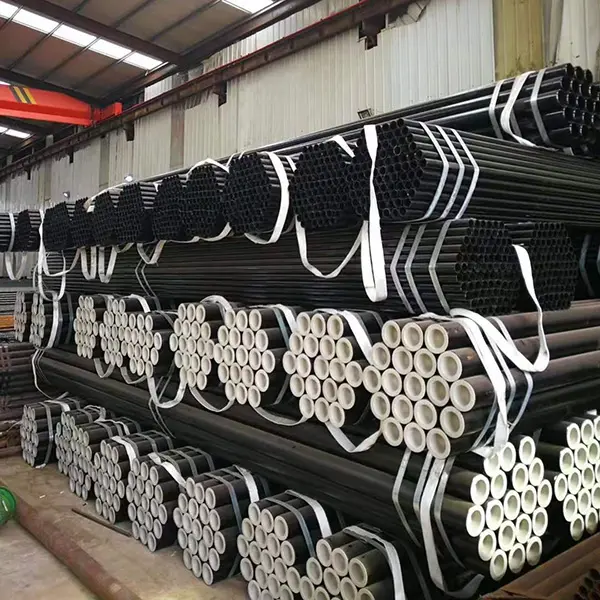
Square soil pipe, a prevalent conveyance solution in subterranean infrastructure, is a manufactured section of hollow, typically steel or high-density polyethylene (HDPE), possessing a square cross-section. Its primary function is the efficient and reliable transport of wastewater, stormwater, and other effluent materials. Within the construction and civil engineering industry chain, square soil pipe occupies a critical position, directly impacting drainage system performance and long-term infrastructure integrity. Core performance characteristics include hydraulic capacity, load bearing strength (resistance to soil overburden and vehicular traffic), corrosion resistance, and joint integrity, directly influencing system lifespan and maintenance requirements. The increasing adoption of square configurations is driven by enhanced stability in challenging soil conditions and optimized material utilization compared to traditional circular designs, particularly for shallow burial depths.
Material Science & Manufacturing
Square soil pipe materials commonly include carbon steel (ASTM A53 Grade B, A576), stainless steel (304, 316L), and HDPE (High-Density Polyethylene). Steel pipes rely on the inherent strength and ductility of iron alloys, with varying carbon content influencing weldability and corrosion susceptibility. Manufacturing processes involve longitudinal seam welding (ERW, SAW) or spiral welding, demanding precise control of welding parameters (current, voltage, travel speed) to achieve consistent weld penetration and minimize defects. Stainless steel provides superior corrosion resistance due to chromium content, forming a passive oxide layer. HDPE, a thermoplastic polymer, is manufactured via extrusion molding. Critical parameters include melt temperature, die pressure, and cooling rate, impacting pipe dimensions and material crystallinity. HDPE benefits from inherent chemical resistance, but UV degradation necessitates the incorporation of carbon black or UV stabilizers. The material selection process hinges on the specific application, considering soil corrosivity, expected loads, and budget constraints. Surface preparation, including cleaning and coating (epoxy, polyethylene), significantly extends the lifespan of steel pipes, mitigating corrosion risks. HDPE pipe joining typically employs butt fusion or electrofusion welding, requiring skilled technicians and adherence to stringent quality control procedures to ensure watertight seals.
Performance & Engineering
Performance of square soil pipe is heavily influenced by external load resistance and hydraulic efficiency. External loads encompass soil overburden, surface traffic, and hydrostatic pressure. Finite Element Analysis (FEA) is crucial for modeling structural behavior, identifying stress concentrations, and optimizing pipe wall thickness. Buckling stability is a primary concern, particularly for larger diameter pipes and shallow burial depths. The square profile, while offering stability, introduces potential buckling modes requiring careful consideration during design. Hydraulic performance is assessed through Manning’s equation, factoring in pipe roughness, slope, and flow velocity. The square shape, compared to circular, can create flow turbulence and localized pressure drops if not appropriately engineered. Compliance requirements, dictated by local building codes and environmental regulations (e.g., EPA regulations concerning stormwater runoff), necessitate consideration of material leachability and long-term structural integrity. Joint design and installation are paramount, ensuring watertight connections capable of resisting soil movement and differential settlement. Load distribution calculations must account for soil properties (bearing capacity, shear strength) and potential groundwater influence. The use of engineered bedding materials (gravel, sand) is critical for uniform load support and preventing pipe distortion.
Technical Specifications
| Parameter | Steel (A53 Grade B) | Stainless Steel (316L) | HDPE |
|---|---|---|---|
| Outside Dimension (mm) | 300x300 | 300x300 | 300x300 |
| Wall Thickness (mm) | 6.35 | 6.35 | 9.5 |
| Tensile Strength (MPa) | 485 | 585 | 26 |
| Yield Strength (MPa) | 345 | 275 | N/A (Flexible Material) |
| Corrosion Resistance | Low (Requires Coating) | High | Excellent |
| Operating Temperature (°C) | -30 to 150 | -200 to 300 | -40 to 60 |
Failure Mode & Maintenance
Square soil pipe failures typically manifest as corrosion, cracking, joint separation, and deformation. Steel pipes are susceptible to uniform and pitting corrosion, accelerated by chloride ingress in saline environments or acidic soil conditions. Corrosion leads to wall thinning and eventual perforation. Fatigue cracking can occur under cyclic loading from traffic or soil settlement, especially near welds. Joint failures arise from improper installation, gasket degradation, or differential movement. HDPE pipes can experience slow crack growth (SCG) due to environmental stress cracking, particularly in the presence of detergents or solvents. Deformation results from excessive external loads exceeding the pipe’s buckling capacity. Preventative maintenance includes regular visual inspections for corrosion, cracks, and joint leaks. Cathodic protection (sacrificial anodes or impressed current) is effective in mitigating steel pipe corrosion. Joints should be periodically inspected for tightness and sealant integrity. Cleaning debris and vegetation buildup prevents blockage and maintains hydraulic capacity. For HDPE, avoid exposure to incompatible chemicals and ensure proper bedding support. Repair options range from localized patching for minor defects to full pipe replacement for severe damage. Non-destructive testing (NDT) methods, such as ultrasonic testing and radiographic inspection, are employed to assess weld quality and detect subsurface flaws.
Industry FAQ
Q: What is the impact of soil corrosivity on the lifespan of steel square soil pipe?
A: Soil corrosivity significantly reduces the lifespan of steel square soil pipe. High chloride content, low pH (acidic soil), and the presence of sulfates accelerate corrosion rates. Without adequate corrosion protection (e.g., epoxy coating, cathodic protection), the pipe wall can thin to the point of failure within a relatively short timeframe (5-10 years) in aggressive environments. Soil testing is crucial to determine corrosivity levels and select appropriate protection measures.
Q: How does the square profile affect hydraulic capacity compared to a circular pipe of the same cross-sectional area?
A: A square profile generally exhibits slightly lower hydraulic capacity than a circular pipe with the same cross-sectional area. The corners of the square create flow separation and increased turbulence, leading to higher head loss. However, the difference is often minimal, and the square shape's advantages in stability and installation can outweigh this minor hydraulic disadvantage, especially in shallow burial applications.
Q: What are the key considerations for joining HDPE square soil pipe sections?
A: Joining HDPE sections requires either butt fusion or electrofusion welding. Butt fusion involves heating the pipe ends and pressing them together, while electrofusion uses an internal heating element. Proper surface preparation (cleaning and drying) is essential. Strict adherence to welding parameters (temperature, pressure, cooling time) is critical to achieve a strong, leak-proof joint. Certified welders and appropriate welding equipment are necessary.
Q: What bedding materials are recommended for square soil pipe installation to ensure long-term stability?
A: Bedding materials should provide uniform support and prevent pipe distortion. Granular materials like gravel or sand are commonly used, compacted in layers to the specified density. The bedding material should be non-organic and free from sharp objects that could damage the pipe. Proper bedding minimizes stress on the pipe and prevents differential settlement, enhancing long-term stability and preventing joint failures.
Q: What non-destructive testing (NDT) methods are used to assess the integrity of welded steel square soil pipe?
A: Common NDT methods include visual inspection (VT) for surface defects, ultrasonic testing (UT) to detect subsurface flaws, radiographic inspection (RT) for weld penetration and porosity, and magnetic particle inspection (MT) to identify surface and near-surface cracks. These methods provide a non-invasive assessment of weld quality and structural integrity without damaging the pipe.
Conclusion
Square soil pipe presents a robust and versatile solution for subterranean drainage systems. The choice of material – steel, stainless steel, or HDPE – is dictated by the specific application requirements, including soil corrosivity, load bearing capacity, and budgetary constraints. Proper manufacturing processes, stringent quality control, and adherence to relevant industry standards are paramount to ensuring long-term performance and minimizing the risk of failure.
Continued advancements in materials science and manufacturing techniques, coupled with the increasing adoption of advanced analytical tools like FEA, will further optimize the design and performance of square soil pipe systems. Emphasis on preventative maintenance, including regular inspections and appropriate corrosion protection, will be crucial for maximizing infrastructure lifespan and minimizing lifecycle costs.
