Introduction
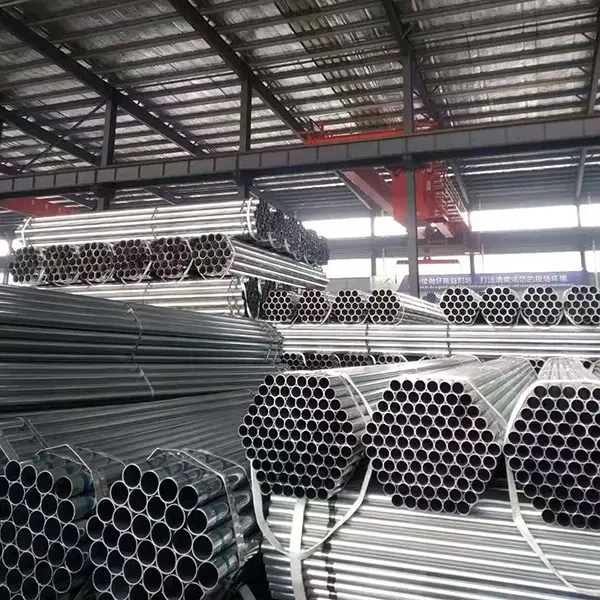
Square tube 30x30x3, constructed from steel, represents a fundamental building block across diverse industrial applications. Defined by its 30mm side length and 3mm wall thickness, this hollow structural section (HSS) provides a high strength-to-weight ratio, making it a cost-effective alternative to solid sections in numerous engineering designs. Within the industrial chain, it positions itself as a semi-finished product, directly stemming from steel production (hot-rolling or cold-forming) and serving as a raw material for fabrication, construction, and manufacturing. Core performance characteristics include load-bearing capacity, torsional rigidity, and weldability. Addressing a critical industry pain point – the need for standardized, readily available structural elements – 30x30x3 square tubing offers predictable mechanical properties, simplifying design and reducing material waste. Its consistent dimensions facilitate integration into pre-engineered systems and modular constructions, addressing a growing demand for efficient build processes.
Material Science & Manufacturing
The predominant material for 30x30x3 square tubing is carbon steel, typically grades like Q235 (Chinese standard), A36 (ASTM), or S235JR (EN). These steels are characterized by a primary composition of iron, with varying percentages of carbon (typically 0.05-0.25%), manganese, silicon, and phosphorus. The carbon content dictates hardness and strength – higher carbon generally yields greater strength but reduced ductility. Manufacturing commonly employs either hot-rolled or cold-formed processes. Hot-rolling involves heating a steel billet to high temperatures (typically 1200°C) and passing it through a series of rollers to achieve the desired square shape. Critical parameters include roller speed, temperature control (to prevent oxidation and ensure uniform deformation), and reduction ratio per pass. Cold-forming, conversely, uses steel strip at room temperature, passed through forming dies to create the square profile. This process generally offers tighter dimensional tolerances and a smoother surface finish. Key control parameters for cold-forming include die geometry, lubrication, and drawing speed. Post-formation, tubes undergo welding (typically ERW – Electric Resistance Welding) to create a seamless structure. Weld quality is paramount, requiring precise control of welding current, voltage, and speed to ensure complete fusion and minimize defects like porosity and inclusions. Surface treatment, such as galvanizing or painting, is applied to enhance corrosion resistance.
Performance & Engineering
The performance of 30x30x3 square tubing is heavily influenced by its section modulus (resistance to bending) and torsional rigidity. The section modulus, directly related to the moment of inertia, determines the tube’s ability to withstand bending loads without permanent deformation. Force analysis calculations, following principles of beam theory, are critical in determining suitable load capacities for specific applications. Environmental resistance is a significant consideration. Carbon steel is susceptible to corrosion, particularly in humid or saline environments. Protective coatings – galvanizing (zinc coating), painting, or powder coating – are essential to mitigate corrosion. Galvanizing provides sacrificial protection, while paints and powder coatings act as barriers. Compliance requirements vary based on intended use. For structural applications, adherence to building codes (e.g., IBC in the US, Eurocodes in Europe) is mandatory, dictating allowable stress levels, weld inspection procedures, and material certifications. In applications involving fluid transport, pressure testing and compliance with relevant ASME standards may be required. Functional implementation often involves welding, bolting, or adhesive bonding. Welding procedures must be carefully controlled to maintain the material’s integrity and avoid heat-affected zone (HAZ) weakening.
Technical Specifications
| Parameter | Unit | Typical Value (Q235 Steel) | Tolerance |
|---|---|---|---|
| Outer Dimension (Side) | mm | 30 | ±0.5 |
| Wall Thickness | mm | 3 | ±0.3 |
| Yield Strength | MPa | 235 | N/A |
| Tensile Strength | MPa | 375-530 | N/A |
| Elongation | % | 21 | N/A |
| Weight per Meter | kg/m | 2.75 | ±0.1 |
Failure Mode & Maintenance
Common failure modes for 30x30x3 square tubing include corrosion-induced degradation, fatigue cracking (under cyclic loading), and weld failure. Corrosion manifests as rust formation, weakening the material and reducing its load-bearing capacity. Fatigue cracking initiates at stress concentrations (e.g., weld points, sharp corners) and propagates under repeated loading, eventually leading to catastrophic failure. Weld failures can occur due to insufficient penetration, porosity, or cracking in the weld metal. Delamination, although less common, can occur in coated tubes due to poor adhesion between the coating and the substrate. Maintenance strategies include regular inspection for corrosion, protective coating repair, and periodic non-destructive testing (NDT) such as ultrasonic testing or radiographic inspection to detect cracks or internal defects. For heavily loaded applications, stress analysis and fatigue life prediction are recommended. Preventative measures include proper surface preparation before coating, careful welding procedure control, and avoiding exposure to corrosive environments where possible. Should cracking be detected, immediate repair or replacement is crucial to prevent further propagation and ensure structural integrity. Regular cleaning to remove contaminants (salt, dirt, chemicals) can significantly prolong the service life of the tubing.
Industry FAQ
Q: What is the typical surface finish achievable with cold-formed 30x30x3 square tubing?
A: Cold-formed tubing generally exhibits a smoother surface finish compared to hot-rolled tubing. Typical surface roughness (Ra) values range from 1.6 to 3.2 μm, depending on the die polishing and lubrication used during the forming process. This smoothness is advantageous for applications requiring aesthetic appeal or minimal friction.
Q: How does the welding process affect the mechanical properties of the HAZ in ERW tubing?
A: The welding process introduces a Heat Affected Zone (HAZ) where the material's microstructure is altered. This can result in a slight reduction in yield strength and tensile strength within the HAZ compared to the base metal. Careful control of welding parameters – current, voltage, speed, and heat input – is crucial to minimize the HAZ's impact and maintain structural integrity. Post-weld heat treatment can also be employed to restore the original mechanical properties.
Q: What galvanizing standards apply to 30x30x3 square tubing used in construction?
A: Typically, ASTM A653 (Standard Specification for Steel Sheet, Zinc-Coated (Galvanized) by the Hot-Dip Process) is the governing standard for galvanized steel tubing used in construction. This standard specifies requirements for coating thickness, coating adhesion, and metallographic characteristics of the galvanized layer. The required coating thickness depends on the expected exposure environment.
Q: Can 30x30x3 square tubing be used in applications involving hydrostatic pressure?
A: Yes, but careful consideration must be given to the tube’s wall thickness and the expected pressure levels. Hydrostatic testing should be performed to verify the tube’s ability to withstand the pressure without buckling or leaking. The applicable standards for pressure vessel design (e.g., ASME Boiler and Pressure Vessel Code) may need to be consulted, depending on the specific application and pressure rating.
Q: What is the impact of bending radius on the structural integrity of 30x30x3 square tubing?
A: Bending radius significantly impacts structural integrity. A smaller bending radius introduces higher stresses and can lead to localized yielding or cracking. A generally accepted minimum bending radius is 2.5 times the outer diameter (75mm in this case), but this depends on the steel grade and forming method. Using a larger bending radius is always preferable to minimize stress concentrations and maintain the tube’s structural properties.
Conclusion
The 30x30x3 square tube, as a versatile hollow structural section, remains a cornerstone material in diverse industries due to its favorable strength-to-weight ratio and cost-effectiveness. Its manufacturing processes, whether hot-rolled or cold-formed, demand precise parameter control to ensure dimensional accuracy and weld quality. Understanding its performance characteristics, including section modulus, torsional rigidity, and corrosion susceptibility, is crucial for engineers and designers to select and implement it effectively in various applications.
The longevity and reliability of 30x30x3 square tubing are inextricably linked to proper maintenance and adherence to relevant industry standards. Implementing preventative measures such as corrosion protection, regular inspection, and appropriate welding procedures are essential for mitigating failure modes and maximizing service life. Continued advancements in steel alloys and coating technologies will further enhance the performance and durability of this fundamental building block, ensuring its continued relevance in modern engineering designs.
