
Introduction
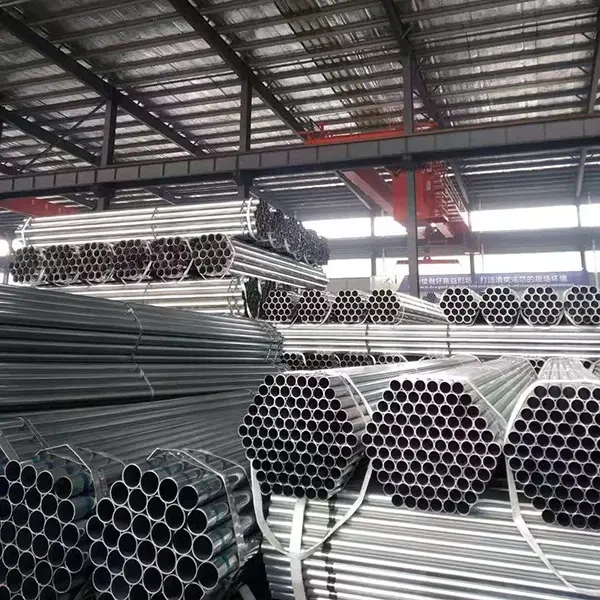
Steel box section, also known as hollow structural sections (HSS), represents a fundamental building block in modern construction and engineering. These sections, characterized by their closed, rectangular or square profiles, offer superior strength-to-weight ratios compared to traditional open sections like I-beams or channels. Their primary role within the industry chain is to provide structural support in a wide array of applications, from building frameworks and bridges to industrial equipment and transportation vehicles. Core performance characteristics include high bending and torsional rigidity, excellent compressive strength, and predictable buckling behavior. The demand for steel box section is heavily influenced by infrastructure development, manufacturing output, and the ongoing need for lighter, stronger, and more durable structural components. Understanding the nuances of material grades, manufacturing processes, and performance limitations is critical for engineers and procurement professionals alike, especially when addressing concerns regarding cost-effectiveness and long-term structural integrity.
Material Science & Manufacturing
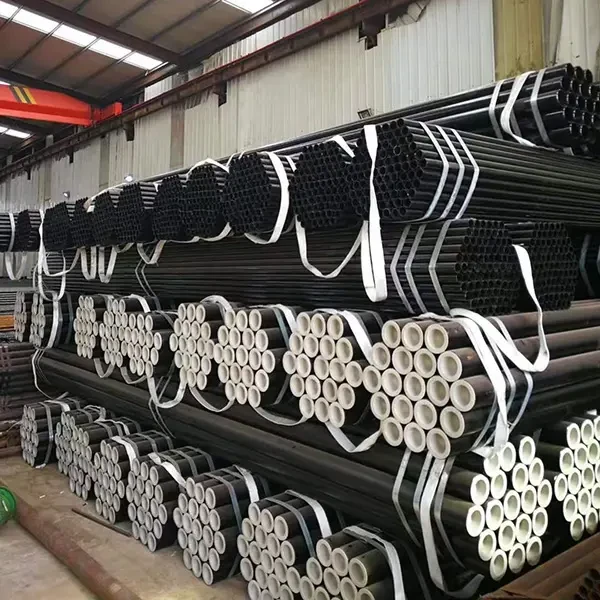
The foundation of steel box section lies in its constituent material – carbon steel, typically conforming to ASTM A500 or EN 10210 standards. The primary raw material is steel billets or coils, with carbon content ranging from low (0.15%) to medium (0.30%) depending on the required yield strength and weldability. The manufacturing process begins with forming the steel into the desired rectangular or square shape. This is most commonly achieved through cold-forming, where the steel is passed through a series of rollers to progressively shape it. Hot-forming is also employed, particularly for thicker sections and higher strength steels, utilizing heated steel to facilitate bending and shaping. Key parameters during forming include roll profile accuracy, reduction ratios (the amount of deformation per pass), and lubrication to minimize friction and prevent surface defects. Following forming, the sections are welded longitudinally to create the closed box profile. Submerged Arc Welding (SAW) is prevalent due to its high deposition rates and deep penetration, ensuring a strong, consistent weld. Welding parameters – voltage, current, travel speed, and shielding gas composition – are meticulously controlled to prevent porosity, cracking, and incomplete fusion. Post-weld, sections undergo quality control, including non-destructive testing (NDT) such as ultrasonic testing (UT) and magnetic particle inspection (MPI) to verify weld integrity and dimensional accuracy. Chemical compatibility with coatings (zinc, epoxy, polyurethane) is critical for corrosion resistance; surface preparation – blast cleaning to achieve a Sa2.5 standard – is essential for optimal adhesion.
Performance & Engineering
The performance of steel box section is fundamentally governed by its geometric properties (moment of inertia, section modulus) and the material’s mechanical properties (yield strength, tensile strength, modulus of elasticity). Force analysis during structural design centers around calculating bending moments, shear forces, and axial loads that the section will encounter. Buckling is a primary concern, especially for thin-walled sections under compression. Local buckling (distortion of the flat walls) and global buckling (bending of the entire section) must be addressed through appropriate section sizing and stiffener placement. Environmental resistance is paramount; corrosion is mitigated through galvanizing, painting, or the use of weathering steel. Cyclic loading, common in structures like bridges and cranes, necessitates fatigue analysis to predict the section’s lifespan under repeated stress. Compliance with building codes (e.g., AISC 360, Eurocode 3) and industry standards dictates minimum safety factors and design methodologies. Functional implementation also considers connection details; welding, bolting, and adhesive bonding are common methods, each requiring careful consideration of stress concentrations and load transfer mechanisms. The structural integrity is also dictated by the weld’s penetration depth and the angle of the weld toe, which needs to comply with AWS D1.1 standards. Furthermore, the section’s susceptibility to impact damage and fire resistance needs assessment based on the application’s specific exposure profile.
Technical Specifications
| Steel Grade | Yield Strength (MPa) | Tensile Strength (MPa) | Wall Thickness (mm) |
|---|---|---|---|
| ASTM A500 Grade B | 345 | 450 | 3.0 |
| ASTM A500 Grade C | 345 | 550 | 4.0 |
| EN 10210 S235JR | 235 | 360-525 | 2.0 |
| EN 10210 S355JR | 355 | 490-630 | 3.0 |
| Q345B (GB/T 8162) | 345 | 490-630 | 4.5 |
| Q235B (GB/T 700) | 235 | 375-530 | 2.5 |
Failure Mode & Maintenance
Steel box sections are susceptible to several failure modes under operational conditions. Fatigue cracking, initiated by cyclic loading at weld toes or stress concentrations, is a common concern, particularly in high-stress applications. Corrosion, if not adequately addressed, can lead to section loss and reduced load-carrying capacity. Local buckling, as previously discussed, can occur under compressive loads, especially in thin-walled sections. Delamination of coatings (paint, galvanizing) exposes the underlying steel to corrosion, accelerating degradation. Oxidation, particularly at elevated temperatures, weakens the steel and reduces its ductility. Maintenance strategies include regular visual inspections for signs of corrosion, cracks, or coating damage. Protective coatings should be periodically renewed to maintain corrosion resistance. Weld inspections, utilizing NDT methods, can detect early-stage cracking. For structures subjected to cyclic loading, stress monitoring and periodic fatigue assessments are recommended. In cases of localized damage, repair welding may be feasible, but must adhere to stringent welding procedures and quality control standards. Proper drainage and ventilation are essential to minimize moisture exposure and prevent corrosion. Preventative maintenance programs, incorporating scheduled inspections and coating renewals, are crucial for extending the service life of steel box section structures.
Industry FAQ
Q: What is the primary difference between hot-formed and cold-formed steel box sections in terms of mechanical properties?
A: Hot-formed sections generally exhibit higher yield and tensile strengths due to strain hardening during the heating and forming process. However, cold-formed sections often have superior dimensional accuracy and surface finish. The choice depends on the application's specific strength and aesthetic requirements.
Q: How does the wall thickness of a steel box section impact its buckling resistance?
A: Buckling resistance is directly proportional to the cube of the wall thickness. Increasing the wall thickness significantly enhances the section's ability to withstand compressive loads without buckling. However, it also increases the material cost and weight.
Q: What are the key considerations when specifying a coating system for steel box sections used in a marine environment?
A: Marine environments demand highly corrosion-resistant coatings. Multi-layer systems incorporating epoxy primers, polyurethane topcoats, and potentially thermal spray aluminum are recommended. Surface preparation to a Sa2.5 blast cleaning standard is crucial for optimal coating adhesion and longevity. Regular inspection and maintenance are essential to address coating damage promptly.
Q: What non-destructive testing (NDT) methods are most commonly used to inspect welded steel box sections?
A: Ultrasonic testing (UT) is the most prevalent method for detecting subsurface weld defects, such as porosity and cracking. Magnetic particle inspection (MPI) is effective for identifying surface and near-surface defects. Radiographic testing (RT) provides a visual image of the weld's internal structure but is less commonly used due to safety concerns and cost.
Q: What is the significance of the ‘A500’ designation when specifying steel box section?
A: ASTM A500 is a widely recognized standard that specifies the requirements for cold-formed welded steel structural tubing. It defines minimum yield strength, tensile strength, and weld quality criteria, ensuring a consistent and reliable product. Different grades within A500 (e.g., Grade B, Grade C) offer varying strength levels.
Conclusion
Steel box section remains a cornerstone material in a diverse range of engineering applications, offering a compelling combination of strength, stiffness, and cost-effectiveness. A thorough understanding of its material science, manufacturing processes, and performance characteristics is essential for optimizing structural designs and ensuring long-term durability. Addressing potential failure modes – fatigue, corrosion, and buckling – through careful design, material selection, and preventative maintenance practices is paramount for maximizing the lifespan and reliability of structures incorporating this versatile material.
Future trends will likely focus on the development of higher-strength steels, improved coating technologies for enhanced corrosion resistance, and more sophisticated modeling techniques for predicting structural behavior under complex loading conditions. Furthermore, increased emphasis on sustainability will drive demand for steel box section manufactured from recycled materials and designed for ease of disassembly and reuse, reducing environmental impact and promoting a circular economy.
