
Introduction
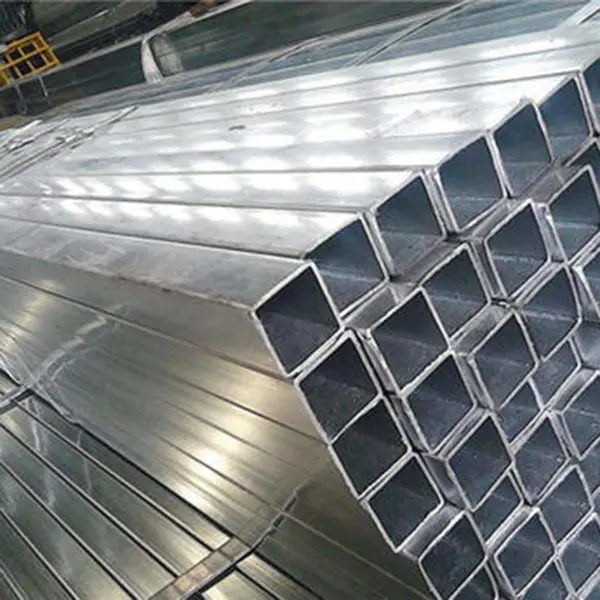
Union galvanized steel refers to steel pipe fittings utilizing a threaded union joint and protected by a zinc coating applied through hot-dip galvanization. It serves as a crucial component in fluid and gas conveyance systems across various industries, including plumbing, fire protection, and industrial processing. Its primary function is to provide a reliable, leak-proof connection between pipe sections, allowing for easy disassembly and maintenance without disrupting the entire pipeline. The galvanized coating is paramount, offering corrosion resistance that significantly extends service life, particularly in harsh environmental conditions. Understanding the material science, manufacturing processes, performance characteristics, and potential failure modes of union galvanized steel is vital for engineers, procurement managers, and maintenance personnel seeking to optimize system integrity and minimize lifecycle costs. This guide provides an in-depth exploration of these facets.
Material Science & Manufacturing
The base material for union galvanized steel is typically carbon steel, commonly ASTM A53 Grade B or equivalent. This steel is selected for its adequate strength, ductility, and weldability. The chemical composition usually includes carbon (0.05-0.25%), manganese (0.05-1.35%), phosphorus (max 0.04%), sulfur (max 0.03%), and silicon (max 0.31%), balanced with iron. These compositions are critical for achieving the desired mechanical properties. The manufacturing process begins with steel billet production followed by seamless or welded pipe forming. For welded pipes, Electric Resistance Welding (ERW) or Double Submerged Arc Welding (DSAW) are common methods. Post-forming, the steel undergoes cleaning, pickling (removal of mill scale), and fluxing to prepare the surface for galvanization. Hot-dip galvanization, the prevailing method, involves immersing the steel in a molten zinc bath (typically 98% pure zinc) at approximately 450°C (842°F). This creates a metallurgical bond, forming layers of zinc-iron alloys (zeta, delta, gamma, and alpha phases) and an outer layer of pure zinc. Precise control of immersion time, zinc bath composition, and cooling rate are essential for achieving a uniform, durable coating. Union fitting components are typically manufactured using hot forging or machining from solid bar stock. Threading operations, crucial for creating the union joint, require precise tooling and adherence to standards like ANSI/ASME B1.20.1 to ensure proper fit and sealing.
Performance & Engineering
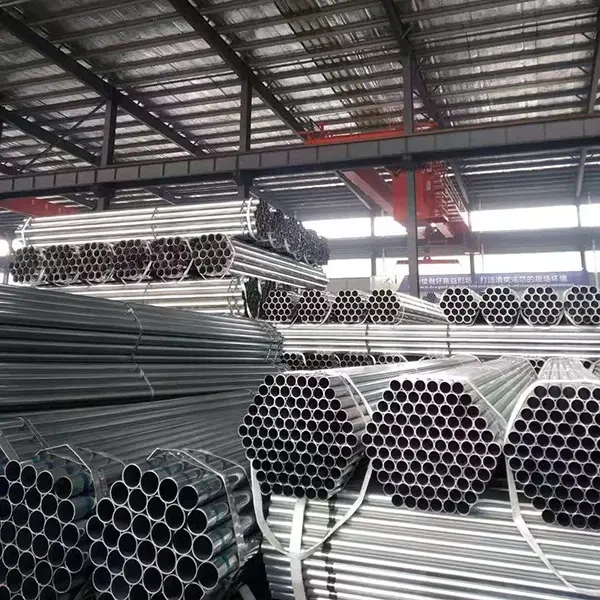
The performance of union galvanized steel is dictated by both the steel's mechanical properties and the effectiveness of the zinc coating. Key mechanical properties include tensile strength (typically >415 MPa), yield strength (typically >240 MPa), and elongation (typically >20%). These properties are determined by the steel grade and manufacturing process. The union joint itself is subject to significant stress during operation, particularly pressure fluctuations and thermal expansion/contraction. Force analysis must account for the internal pressure, applied torque during tightening, and potential bending moments due to pipe misalignment. The galvanized coating provides cathodic protection, meaning the zinc corrodes preferentially, protecting the underlying steel even if the coating is scratched or damaged. However, the corrosion resistance depends on the coating thickness (typically 85-150 μm) and the environmental conditions (humidity, salinity, exposure to chemicals). Compliance requirements vary by region and application. For potable water systems, NSF/ANSI 61 certification is essential to ensure the material does not leach harmful substances into the water. Fire protection systems often require UL FM approval to verify performance under fire conditions. Furthermore, standards like ASTM A123/A123M (Standard Specification for Zinc (Hot-Dip Galvanized) Coatings on Iron and Steel Products) dictate coating quality and testing procedures.
Technical Specifications
| Parameter | Unit | ASTM A53 Grade B (Typical) | Hot-Dip Galvanizing (Typical) |
|---|---|---|---|
| Tensile Strength | MPa | 415-550 | No significant change |
| Yield Strength | MPa | 240-310 | No significant change |
| Elongation | % | >20 | No significant change |
| Coating Thickness (Zinc) | μm | N/A | 85-150 |
| Zinc Coating Adhesion | MPa | N/A | >69 |
| Operating Temperature (Max) | °C | Varies with pressure | Zinc coating degradation above 200°C |
Failure Mode & Maintenance
Union galvanized steel can experience several failure modes. Corrosion, despite the galvanization, remains a primary concern, especially in highly corrosive environments. Localized corrosion, such as pitting and crevice corrosion, can occur due to defects in the coating or exposure to chlorides. Another common failure mode is thread stripping, resulting from over-tightening, improper installation, or repeated disassembly. Fatigue cracking can develop in the union joint due to cyclic loading and stress concentration. Delamination of the zinc coating, caused by inadequate surface preparation prior to galvanization or mechanical damage, reduces corrosion protection. Hydrogen embrittlement, a less frequent but potentially catastrophic failure, can occur during the pickling process if excessive hydrogen is absorbed into the steel. Maintenance strategies include regular visual inspections for signs of corrosion, thread damage, or leaks. Periodic application of a zinc-rich paint or coating to damaged areas can provide supplementary corrosion protection. Proper tightening torque, guided by manufacturer specifications, is critical during installation and reassembly. Avoid using excessive force, which can lead to thread stripping. In severely corroded environments, consider using alternative materials or cathodic protection systems. Replace components exhibiting signs of significant corrosion or structural damage immediately.
Industry FAQ
Q: What is the impact of water pH on the lifespan of galvanized steel piping?
A: Lower pH (acidic water) accelerates the corrosion rate of galvanized steel. Acidic water dissolves the protective zinc coating more rapidly, exposing the underlying steel to corrosion. Conversely, higher pH (alkaline water) generally enhances the coating's protective properties. Maintaining a neutral pH (around 7) is optimal for maximizing the lifespan of galvanized steel piping. Regular water testing and pH adjustment are recommended, especially in areas with naturally acidic water.
Q: How does the presence of chlorides in the environment affect galvanized steel unions?
A: Chlorides are particularly detrimental to galvanized steel. They penetrate the zinc coating and disrupt the passive layer, leading to pitting corrosion. This is especially problematic in coastal environments or areas where de-icing salts are used. Consider using alternative materials like stainless steel or specialized coatings in high-chloride environments.
Q: What are the best practices for storing union galvanized steel fittings prior to installation?
A: Fittings should be stored in a dry, indoor environment, protected from moisture and direct sunlight. Stacking should be done carefully to avoid damaging the threads or coating. Covering the fittings with a protective material, such as plastic sheeting, can provide additional protection. Avoid storing fittings directly on the ground.
Q: Can galvanized steel unions be used with dissimilar metals? If so, what precautions should be taken?
A: Using galvanized steel with dissimilar metals (e.g., copper, aluminum) can lead to galvanic corrosion. The more noble metal (e.g., copper) will corrode preferentially. To mitigate this, use dielectric unions or couplings to electrically isolate the dissimilar metals. Alternatively, apply a corrosion-inhibiting compound to the joint.
Q: What is the typical service life expectancy of a properly installed and maintained union galvanized steel fitting in a standard indoor plumbing application?
A: In a standard indoor plumbing application with potable water and minimal exposure to corrosive substances, a properly installed and maintained union galvanized steel fitting can have a service life of 40-70 years. However, this is highly dependent on water quality, temperature, and maintenance practices. Regular inspections and proactive maintenance can significantly extend the service life.
Conclusion
Union galvanized steel remains a widely utilized material in piping systems due to its cost-effectiveness, adequate strength, and inherent corrosion resistance provided by the zinc coating. Understanding the underlying material science—the interplay between the steel's composition and the galvanization process—is crucial for predicting performance and preventing premature failure. The longevity of these fittings, however, is contingent upon meticulous manufacturing control, proper installation, and consistent maintenance, particularly in challenging environmental conditions.
Future advancements in coating technology, such as the development of enhanced zinc alloys and duplex coating systems, may further improve the corrosion resistance and lifespan of galvanized steel unions. Furthermore, increasingly stringent environmental regulations are driving the search for more sustainable alternatives to traditional galvanization, potentially leading to innovative coating methods with reduced environmental impact. Continuous monitoring of performance data and adherence to industry best practices will remain essential for optimizing the reliability and cost-effectiveness of union galvanized steel piping systems.
