
Introduction
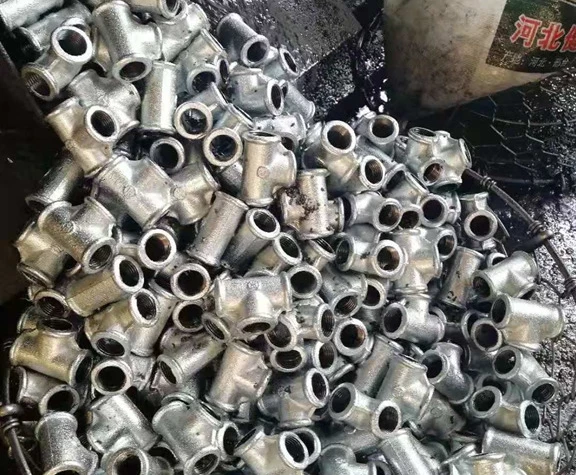
Zinc pipe, fundamentally a conduit for fluid and gas transport, occupies a critical position within the infrastructure of construction, plumbing, and industrial process systems. Its prominence stems from a confluence of factors – cost-effectiveness, ease of installation, and, crucially, its inherent corrosion resistance. However, the ‘zinc pipe price’ is not a monolithic figure. It's a dynamic value heavily influenced by zinc metal market fluctuations, manufacturing processes (hot-dip galvanization vs. electrogalvanization), pipe dimensions (diameter, wall thickness, and length), regional supply chains, and adherence to stringent industry standards. The core performance characteristics defining zinc pipe utility are its pressure-bearing capacity, resistance to electrochemical corrosion, and compatibility with various transported media. This guide provides an in-depth technical exploration of zinc pipes, encompassing material science, manufacturing techniques, performance analysis, potential failure modes, and relevant industry benchmarks.
Material Science & Manufacturing
The primary material of construction for zinc pipes is carbon steel, typically AISI 1018 or similar low-carbon grades. The crucial attribute is the zinc coating, applied to impart corrosion protection. Two dominant galvanization processes prevail: hot-dip galvanization and electrogalvanization. Hot-dip galvanization involves immersing the steel pipe in a molten zinc bath (typically 98% pure zinc), creating a metallurgical bond forming a series of zinc-iron alloy layers, culminating in an outer layer of pure zinc. This process yields a thicker, more robust coating offering superior long-term corrosion resistance. Electrogalvanization employs an electrolytic process, depositing zinc ions onto the steel surface. This method allows for tighter control over coating thickness and uniformity, but generally results in a thinner coating compared to hot-dip galvanization. The zinc utilized for both processes must meet ASTM B117 specifications for salt spray resistance. The manufacturing process begins with steel strip forming and welding (ERW - Electric Resistance Welding), followed by quality control assessments including hydrostatic testing to verify pressure integrity. Critical parameters during galvanization include bath temperature, immersion time, zinc bath chemistry (aluminum, lead, and iron content), and cooling rate. Deviation from optimal parameters can lead to coating defects like spangling, fluxing, or uneven coverage.

Performance & Engineering
Zinc pipe performance is dictated by its ability to withstand internal pressure and external loads while maintaining long-term corrosion resistance. Force analysis involves considerations of hoop stress (determined by the Barlow formula: σ = PD/2t, where σ is hoop stress, P is internal pressure, D is pipe diameter, and t is wall thickness) and longitudinal stress. These stresses must remain below the yield strength of the steel substrate. Environmental resistance is paramount, specifically against corrosion induced by chlorides, sulfates, and atmospheric exposure. The galvanizing layer acts as a sacrificial anode, corroding preferentially to the steel. The rate of zinc corrosion is influenced by pH, temperature, and humidity. Zinc pipe used in potable water systems must adhere to NSF/ANSI 61 standards to ensure no harmful contaminants leach into the water. Furthermore, threaded connections require proper sealing using Teflon tape or pipe dope to prevent leaks. Compliance requirements are also dictated by building codes (e.g., IPC – International Plumbing Code, UPC – Uniform Plumbing Code) which specify permissible applications, installation procedures, and support spacing.
Technical Specifications
| Parameter | Schedule 40 (Typical) | Schedule 80 (Typical) | ASTM B366 - Coating Class | Yield Strength (Steel Substrate) |
|---|---|---|---|---|
| Nominal Pipe Size (inches) | 1/2 - 4 | 1/2 - 4 | Hot-Dip Galvanized (HDG) | ≥250 MPa |
| Wall Thickness (inches) | 0.083 - 0.154 | 0.109 - 0.180 | Electrogalvanized (EG) | ≥260 MPa |
| Outer Diameter (inches) | 0.625 - 4.5 | 0.75 - 4.5 | G90 (90g/m²) | Dependent on Steel Grade |
| Minimum Coating Thickness (µm) | 85-120 (HDG) | 85-120 (HDG) | G60 (60g/m²) | N/A |
| Tensile Strength (Steel Substrate) | ≥400 MPa | ≥400 MPa | Zinc Content (%) | ≥98% |
| Hydrostatic Test Pressure (psi) | 500 (Minimum) | 750 (Minimum) | Salt Spray Resistance (hours) | ≥240 (HDG) / ≥100 (EG) |
Failure Mode & Maintenance
Zinc pipe failure modes encompass corrosion-related degradation, mechanical damage, and connection failures. Uniform corrosion occurs when the entire zinc coating corrodes at a relatively constant rate. However, localized corrosion – pitting and crevice corrosion – is more common, initiating at imperfections in the coating or areas with restricted access to oxygen. Galvanic corrosion can occur when zinc pipe is directly connected to dissimilar metals (e.g., copper) in the presence of an electrolyte, accelerating corrosion of the zinc. Mechanical damage can arise from impacts during handling, transportation, or installation leading to coating cracking or denting. Threaded connection failures result from improper installation (over-tightening or under-tightening), corrosion of threads, or stripping of threads. Maintenance involves regular visual inspection for corrosion signs (white rust, red rust), damage to the coating, and leaks at connections. Damaged coatings should be repaired using zinc-rich paint or metallic spray. Periodic cleaning to remove debris and contaminants is also recommended. For heavily corroded sections, replacement is often the most practical solution. Avoid using abrasive cleaners or steel wool, which can damage the zinc coating.
Industry FAQ
Q: What is the primary difference in cost between Schedule 40 and Schedule 80 zinc pipe, and does that cost difference justify the increased pressure rating for my application?
A: Schedule 80 pipe is more expensive due to its thicker wall, requiring more material. While Schedule 80 offers a higher pressure rating, justifying the cost depends on the application. If your system operates at lower pressures well below Schedule 40’s capabilities, the extra expense of Schedule 80 may be unnecessary. A thorough pressure analysis considering safety factors and potential surge pressures is crucial to determine the appropriate schedule.
Q: How does the zinc coating thickness (G60 vs. G90) affect the long-term lifespan of the pipe, particularly in corrosive environments like coastal regions?
A: G90 (90g/m²) coating provides a significantly thicker zinc layer than G60 (60g/m²), resulting in extended corrosion protection. In highly corrosive environments, G90 is strongly recommended. The thicker coating provides a larger sacrificial anode, delaying the onset of steel corrosion. The initial cost increase for G90 is often offset by reduced maintenance and replacement costs over the lifespan of the system.
Q: Is it acceptable to connect zinc pipe directly to copper pipe without dielectric unions, and what are the potential consequences?
A: Connecting zinc to copper directly is not recommended. The electrochemical potential difference between zinc and copper creates a galvanic cell, accelerating corrosion of the zinc at the connection point. Dielectric unions, utilizing a non-conductive material, must be used to electrically isolate the two metals and prevent galvanic corrosion. Failure to do so will result in rapid failure of the zinc pipe at the interface.
Q: What are the typical lead times for zinc pipe orders, and how are they currently being affected by global supply chain disruptions?
A: Typical lead times historically ranged from 2-6 weeks. However, current global supply chain disruptions, particularly related to zinc metal availability and steel production capacity, have extended lead times significantly, often to 8-12 weeks or longer. This is coupled with price volatility; securing firm quotes and planning well in advance is essential.
Q: What specific testing and certification should I request from a supplier to verify the quality and compliance of the zinc pipe?
A: Request Mill Test Reports (MTRs) verifying compliance with ASTM B366 for coating specifications, and ASTM A53 or A120 for steel substrate properties. Also, request hydrostatic test reports demonstrating pressure integrity. Look for NSF/ANSI 61 certification for potable water applications. Third-party inspection reports from a reputable testing laboratory provide an additional layer of assurance.
Conclusion
Zinc pipe, despite the emergence of alternative materials like CPVC and PEX, remains a viable and cost-effective solution for various plumbing and industrial applications. Its longevity and reliability are intrinsically linked to the quality of the zinc coating, the integrity of the manufacturing process, and adherence to industry standards. The ‘zinc pipe price’ is a complex variable, influenced by multiple factors beyond just the base material cost, including coating type, schedule, and current market dynamics. Understanding these nuances is vital for informed procurement decisions.
Looking forward, innovations in galvanizing techniques (e.g., zinc-nickel alloys offering enhanced corrosion resistance) and advancements in coating application methods may further extend the service life of zinc pipes and address the challenges posed by increasingly aggressive environmental conditions. Proactive maintenance, rigorous quality control, and meticulous installation practices remain critical for maximizing the return on investment in zinc pipe systems.
