
Introduction
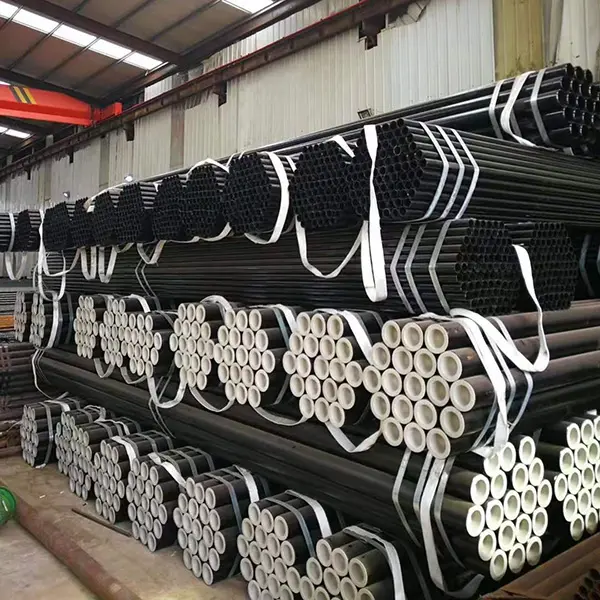
1 ½ inch stainless steel pipe represents a critical component in numerous industrial applications, ranging from process piping in chemical plants to fluid transfer systems in food and beverage production. Its selection is dictated by a complex interplay of factors including corrosion resistance, mechanical strength, and cost. This guide provides an in-depth technical overview of 1 ½ inch stainless steel pipe, encompassing its material science, manufacturing processes, performance characteristics, potential failure modes, and relevant industry standards. The "price" component is highly dependent on alloy grade, schedule (wall thickness), quantity ordered, and current market conditions, but understanding the underlying technical attributes is paramount to informed procurement and long-term operational reliability. The prevalent stainless steel grades used for 1 ½ inch pipe include 304/304L, 316/316L, and occasionally duplex stainless steels, each offering varying degrees of corrosion resistance and mechanical properties. This document aims to equip engineers, procurement managers, and maintenance personnel with the necessary knowledge to make optimal decisions regarding the selection, installation, and maintenance of this vital piping component.
Material Science & Manufacturing
The core material for 1 ½ inch stainless steel pipe is typically austenitic stainless steel, with grades 304/304L and 316/316L being the most common. 304 stainless steel possesses approximately 18% chromium and 8% nickel, providing excellent corrosion resistance in a wide range of environments. The “L” designation (304L, 316L) indicates a lower carbon content, minimizing carbide precipitation during welding, thereby enhancing weldability and reducing the risk of intergranular corrosion. 316 stainless steel incorporates molybdenum (2-3%), improving resistance to chloride-induced pitting corrosion, making it ideal for marine environments and applications involving highly corrosive chemicals. The raw material begins as stainless steel billet, which undergoes hot rolling to form a seamless pipe or is used as strip for welded pipe production. Seamless pipe is manufactured through processes like extrusion and rotary piercing, resulting in a superior strength and pressure rating. Welded pipe, typically produced via Electric Resistance Welding (ERW) or Laser Welded processes, offers cost advantages but may exhibit localized heat-affected zones. Critical manufacturing parameters include controlled cooling rates to maintain desired metallurgical structures, precise dimensional control to meet specified tolerances (OD, ID, wall thickness), and rigorous non-destructive testing (NDT) such as hydrostatic testing, radiography, and ultrasonic testing to detect defects. Surface finishing, including pickling and passivation, is crucial for maximizing corrosion resistance by removing surface contaminants and forming a protective chromium oxide layer.
Performance & Engineering
The performance of 1 ½ inch stainless steel pipe is governed by several engineering considerations. Firstly, pressure rating is determined by Barlow’s formula (P = 2St/D, where P is pressure, S is tensile strength, t is wall thickness, and D is outer diameter) and is directly proportional to tensile strength and inversely proportional to diameter and wall thickness. Pipe schedule (e.g., 40, 80, 160) dictates wall thickness and, consequently, pressure handling capability. Secondly, stress analysis is crucial, particularly in systems subjected to thermal expansion and contraction, vibration, or external loads. Finite Element Analysis (FEA) is often employed to model stress concentrations and ensure structural integrity. Thirdly, corrosion resistance must be evaluated based on the specific application environment. Chloride exposure, temperature, and pH all influence corrosion rates. Galvanic corrosion, occurring when dissimilar metals are in contact, should be mitigated through proper material selection and insulation. Furthermore, the pipe’s susceptibility to erosion-corrosion in high-velocity fluid streams must be considered. Compliance with industry standards, such as ASME B31.3 (Process Piping) and ANSI B16.5 (Flanges), is essential for ensuring safe and reliable operation. The material's coefficient of thermal expansion (approximately 13.3 x 10⁻⁶/°C for 304 stainless steel) needs to be factored into piping system design to prevent excessive stress and potential failure.
Technical Specifications
| Specification | 304/304L | 316/316L | Duplex Stainless Steel (e.g., 2205) |
|---|---|---|---|
| Tensile Strength (MPa) | 517 – 724 | 517 – 724 | 700 – 900 |
| Yield Strength (MPa) | 205 – 276 | 205 – 276 | 345 – 483 |
| Elongation (%) | 30 – 50 | 30 – 50 | 25-35 |
| Corrosion Resistance | Good (general purpose) | Excellent (chloride environments) | Superior (pitting, crevice corrosion) |
| Typical Wall Thickness (Schedule 40, inches) | 0.154 | 0.154 | 0.154 |
| Outer Diameter (inches) | 1.900 | 1.900 | 1.900 |
Failure Mode & Maintenance
1 ½ inch stainless steel pipe is susceptible to several failure modes. Corrosion, as previously discussed, is a primary concern, particularly pitting and crevice corrosion in chloride-containing environments. Fatigue cracking can occur under cyclic loading, especially at weld joints or areas of stress concentration. Erosion-corrosion accelerates material loss in high-velocity fluid streams. Intergranular corrosion, arising from carbide precipitation, can weaken welds. Stress corrosion cracking (SCC) can occur under tensile stress in specific corrosive environments. Maintenance procedures should include regular visual inspections for signs of corrosion, pitting, or cracking. Non-destructive testing (NDT), such as ultrasonic thickness testing, can monitor wall thinning. Hydrostatic testing can verify the integrity of the piping system. Proper cleaning and passivation treatments can restore the protective chromium oxide layer. Weld inspections should be conducted according to ASME Section IX standards. For duplex stainless steels, hydrogen embrittlement during welding is a concern, requiring careful control of welding parameters. Replacement of corroded or damaged pipe sections is crucial to prevent catastrophic failure. Implementing a preventative maintenance schedule based on operating conditions and risk assessment is essential for maximizing service life and ensuring system reliability.
Industry FAQ
Q: What is the primary difference between 304L and 316L stainless steel pipe in terms of cost and application?
A: 304L is generally less expensive than 316L due to the absence of molybdenum. 304L is suitable for general-purpose applications with moderate corrosion concerns. 316L’s molybdenum content provides superior resistance to chloride pitting and crevice corrosion, making it preferred for marine environments, chemical processing, and pharmaceutical applications where higher corrosion resistance is critical, justifying the higher cost.
Q: How does pipe schedule (e.g., 40, 80) impact the suitability of 1 ½ inch stainless steel pipe for high-pressure applications?
A: Higher schedule numbers indicate thicker wall thicknesses. A higher schedule pipe can withstand greater internal pressure. Schedule 80 pipe is significantly stronger than Schedule 40 and is used when higher pressures or greater mechanical strength are required. The appropriate schedule must be selected based on a thorough pressure rating calculation, considering operating conditions and safety factors.
Q: What are the key considerations when welding 1 ½ inch stainless steel pipe to prevent corrosion issues?
A: Use the “L” grades (304L, 316L) to minimize carbide precipitation. Employ appropriate welding techniques (e.g., TIG or shielded metal arc welding) with low heat input to minimize the heat-affected zone. Ensure proper shielding gas coverage. Post-weld heat treatment may be necessary for critical applications. Clean and passivate the weld joint to restore corrosion resistance.
Q: What non-destructive testing (NDT) methods are commonly used to verify the quality of 1 ½ inch stainless steel pipe after installation?
A: Common NDT methods include hydrostatic testing (to check for leaks and structural integrity), radiographic testing (to detect internal flaws), ultrasonic testing (to measure wall thickness and detect internal defects), and dye penetrant testing (to detect surface cracks).
Q: What are the implications of galvanic corrosion when using 1 ½ inch stainless steel pipe in a system with dissimilar metals?
A: Galvanic corrosion occurs when two dissimilar metals are in contact in the presence of an electrolyte. The more active metal corrodes preferentially. To mitigate this, use compatible materials, provide electrical isolation (e.g., dielectric unions), or apply protective coatings to the more active metal.
Conclusion
1 ½ inch stainless steel pipe is a versatile and reliable fluid conveyance solution, but its optimal performance hinges on a deep understanding of its material properties, manufacturing processes, and potential failure mechanisms. Selecting the appropriate alloy grade (304/304L, 316/316L, or duplex stainless steel) based on the specific application environment, coupled with adherence to relevant industry standards (ASME, ANSI), is paramount. Proper welding techniques, rigorous quality control, and proactive maintenance programs are essential for ensuring long-term operational integrity and minimizing the risk of costly failures.
The price of 1 ½ inch stainless steel pipe is a function of these technical considerations, with higher-grade alloys and stricter quality controls commanding a premium. A comprehensive lifecycle cost analysis, factoring in initial purchase price, installation costs, maintenance expenses, and potential downtime, will ultimately reveal the most economical and reliable solution. Continued advancements in stainless steel metallurgy and manufacturing techniques are paving the way for even more durable and corrosion-resistant piping systems, further enhancing the efficiency and safety of industrial processes.
