
Introduction
1/2 inch stainless steel tubing represents a crucial component in numerous industrial applications, ranging from fluid transport and structural support to specialized instrumentation. This guide provides an in-depth technical analysis of this widely utilized material, focusing on its material composition, manufacturing processes, performance characteristics, potential failure modes, and relevant industry standards. Stainless steel tubing, specifically in this diameter, offers a balance between cost-effectiveness, corrosion resistance, and mechanical strength, making it a preferred choice over alternative materials like carbon steel in many corrosive environments. Its application extends across industries including chemical processing, food and beverage, pharmaceutical manufacturing, power generation, and oil and gas, where maintaining fluid purity and structural integrity are paramount. Understanding the nuances of its production, properties, and limitations is vital for engineers, procurement specialists, and maintenance personnel to ensure optimal performance and longevity of systems utilizing this material.
Material Science & Manufacturing
The predominant alloy used for 1/2 inch stainless steel tubing is 304/304L stainless steel, though 316/316L is also common in more corrosive applications. 304 stainless steel consists of approximately 18-20% chromium, 8-10.5% nickel, and less than 0.08% carbon. The chromium content is key to its corrosion resistance, forming a passive chromium oxide layer on the surface. The addition of nickel enhances ductility and toughness. 316 stainless steel incorporates 2-3% molybdenum, further increasing its resistance to pitting corrosion, particularly in chloride environments. Low-carbon grades (304L and 316L) minimize carbide precipitation during welding, improving weldability and corrosion resistance.
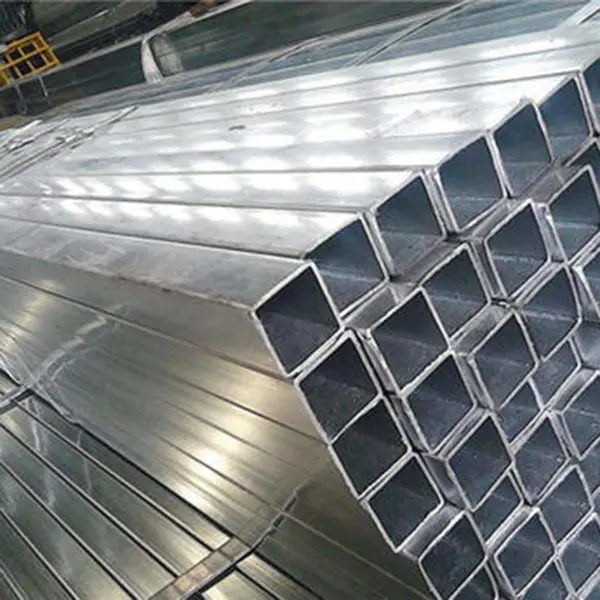
Manufacturing typically begins with the production of seamless or welded tubing. Seamless tubing is created through processes like extrusion piercing or rotary piercing, resulting in a uniform wall thickness and superior strength. Welded tubing is produced by forming a flat strip of stainless steel into a cylindrical shape and then welding the seam, often using Tungsten Inert Gas (TIG) or Plasma Arc Welding (PAW) for high-quality, low-residual-stress welds. Critical parameters during manufacturing include temperature control during forming and welding to prevent sensitization (chromium carbide precipitation). Post-weld heat treatment (PWHT) is often employed to relieve residual stresses and improve ductility. Surface finishing processes, such as pickling and passivation, are used to remove scale and enhance the chromium oxide layer, maximizing corrosion resistance. Dimensional accuracy is controlled through rigorous inspection using techniques like eddy current testing and ultrasonic testing.
Performance & Engineering
The performance of 1/2 inch stainless steel tubing is heavily influenced by its mechanical properties and environmental resistance. Yield strength, typically around 30 ksi (207 MPa) for 304 and 25 ksi (172 MPa) for 316, dictates its ability to withstand permanent deformation under load. Tensile strength, approximately 75 ksi (517 MPa) for 304 and 65 ksi (448 MPa) for 316, defines the maximum stress it can bear before fracture. Elongation, measuring ductility, is generally around 30-40%. The tube's ability to resist internal or external pressure is critical in fluid handling applications. Burst pressure calculations, utilizing Barlow's formula (P = 2St/D, where P = pressure, S = tensile strength, t = wall thickness, D = diameter), determine the maximum pressure the tube can safely withstand.
Corrosion resistance is paramount. While generally excellent, stainless steel can be susceptible to localized corrosion like pitting and crevice corrosion, particularly in chloride-rich environments. Proper material selection (316/316L for higher chloride exposure) and passivation treatments are crucial. Galvanic corrosion can occur when stainless steel is coupled with dissimilar metals in an electrolyte; proper insulation or the use of compatible materials is essential. Temperature significantly impacts performance. Elevated temperatures can reduce yield strength and creep resistance. Cyclic loading can lead to fatigue failure; careful stress analysis and consideration of fatigue limits are necessary in dynamic applications. Compliance with industry standards, such as ASME B31.3 (Process Piping) and ASTM A276 (Stainless Steel Bars, Wire, Shapes, and Forgings), is mandatory for ensuring safe and reliable operation.
Technical Specifications
| Parameter | 304 Stainless Steel | 316 Stainless Steel | Unit |
|---|---|---|---|
| Outer Diameter | 0.500 | 0.500 | inch |
| Wall Thickness | 0.035-0.065 | 0.035-0.065 | inch |
| Yield Strength | 30,000 | 25,000 | psi |
| Tensile Strength | 75,000 | 65,000 | psi |
| Elongation | 30-40 | 30-40 | % |
| Corrosion Resistance | Good | Excellent (especially to chlorides) | Qualitative |
Failure Mode & Maintenance
Common failure modes for 1/2 inch stainless steel tubing include corrosion-induced failures (pitting, crevice, galvanic), fatigue cracking (due to cyclic loading), erosion-corrosion (in high-velocity fluid systems), and mechanical damage (dents, punctures). Pitting corrosion initiates at imperfections in the passive layer and can lead to localized penetration. Crevice corrosion occurs in shielded areas where oxygen access is restricted. Fatigue cracking typically starts at stress concentrators, such as welds or sharp bends. Erosion-corrosion results from the combined effect of abrasive particles and corrosive fluids. Mechanical damage can compromise structural integrity.
Preventive maintenance is crucial. Regular visual inspections should identify signs of corrosion, damage, or leaks. Non-destructive testing (NDT) methods, such as ultrasonic testing, eddy current testing, and radiographic testing, can detect subsurface flaws. Cleaning to remove corrosive contaminants and scale is essential. In applications with high chloride exposure, periodic passivation treatments can restore the protective chromium oxide layer. Proper support and bracing are vital to prevent excessive stress and vibration. If cracks or significant corrosion are detected, the tube should be replaced. Welding repairs should be performed by qualified welders using appropriate welding procedures and filler metals to maintain corrosion resistance and mechanical properties. Implementing a robust inspection and maintenance program extending the service life and ensuring the reliability of the system.
Industry FAQ
Q: What is the primary difference between 304 and 316 stainless steel tubing in terms of corrosion resistance?
A: 316 stainless steel contains molybdenum, which significantly enhances its resistance to pitting and crevice corrosion, especially in chloride-rich environments such as seawater or brine solutions. 304 stainless steel is adequate for many applications, but 316 is preferred where higher corrosion resistance is required.
Q: How does wall thickness affect the burst pressure of 1/2 inch stainless steel tubing?
A: Burst pressure is directly proportional to wall thickness. Increasing the wall thickness significantly increases the tube's ability to withstand internal pressure. However, increasing wall thickness also increases weight and cost.
Q: What are the potential consequences of galvanic corrosion when using stainless steel tubing in conjunction with other metals?
A: Galvanic corrosion occurs when dissimilar metals are electrically connected in the presence of an electrolyte. Stainless steel is more noble than many common metals; therefore, the less noble metal will corrode preferentially. To mitigate this, use compatible materials, insulate the metals from each other, or apply a protective coating.
Q: What types of non-destructive testing (NDT) are commonly used to inspect stainless steel tubing for flaws?
A: Common NDT methods include ultrasonic testing (UT) for detecting internal flaws, eddy current testing (ET) for surface and near-surface flaws, radiographic testing (RT) using X-rays to visualize internal structures, and dye penetrant testing (PT) for detecting surface cracks.
Q: What is passivation, and why is it important for stainless steel tubing?
A: Passivation is a chemical treatment that enhances the chromium oxide layer on the stainless steel surface, improving its corrosion resistance. It removes free iron from the surface, promoting the formation of a stable, protective passive layer. It's crucial after manufacturing processes like welding or machining that can disrupt the passive layer.
Conclusion
1/2 inch stainless steel tubing offers a robust and versatile solution for a wide range of industrial applications. Its inherent corrosion resistance, coupled with appropriate material selection (304 or 316) and proper manufacturing techniques, makes it a reliable choice for fluid transport, structural support, and specialized instrumentation. A thorough understanding of its mechanical properties, potential failure modes, and relevant industry standards is paramount for ensuring long-term performance and safety.
The key to maximizing the service life of stainless steel tubing lies in proactive maintenance and inspection. Regular visual checks, coupled with periodic non-destructive testing, can identify potential issues before they escalate into costly failures. Proper installation, support, and protection from corrosive environments are also essential. Continued advancements in material science and manufacturing processes will further enhance the performance and longevity of this critical component in numerous industries.
