

Introduction
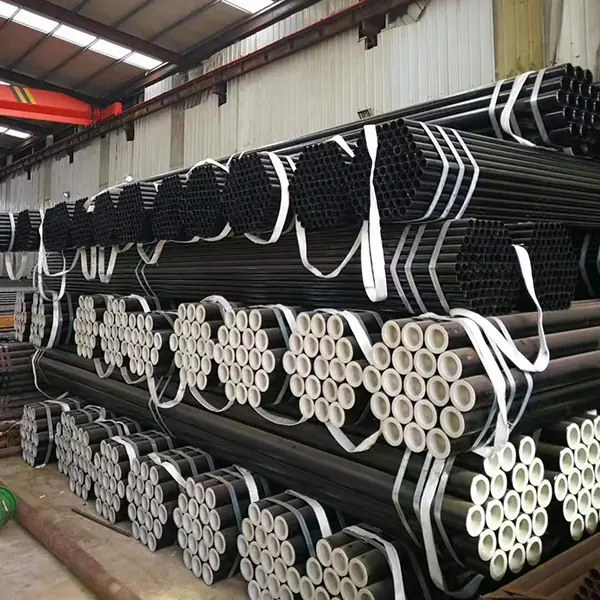
1/4 inch galvanized pipe is a carbon steel pipe that has been hot-dip galvanized, a process of coating steel with zinc to protect it from corrosion. It is a fundamental component in numerous industries, including plumbing, sprinkler systems, structural support, and fluid transfer applications. Its position within the industrial chain is as a semi-finished good, readily fabricated and integrated into larger systems. Core performance characteristics revolve around its corrosion resistance, mechanical strength (yield and tensile strength), and ability to withstand internal pressure. Galvanizing provides sacrificial protection; the zinc corrodes preferentially, protecting the underlying steel. The thickness of the zinc coating directly impacts the pipe's longevity in corrosive environments. The standardization of dimensions and wall thickness, as dictated by ANSI and ASTM standards, ensures interchangeability and system compatibility. A significant industry pain point is the potential for red rust formation if the zinc coating is compromised, especially in environments with high chloride content or differing metal potentials causing galvanic corrosion.
Material Science & Manufacturing
The base material for 1/4 inch galvanized pipe is typically carbon steel, commonly ASTM A53 Grade B or A106 Grade B. These steels contain iron as the primary element, with carbon content ranging from 0.08% to 0.25% by weight. Manganese, silicon, and phosphorus are also present in controlled amounts to enhance strength and weldability. The hot-dip galvanizing process involves immersing the cleaned steel pipe into a bath of molten zinc (typically 98% pure) at a temperature of around 840°F (450°C). This creates a metallurgical bond between the zinc and the steel, forming a series of zinc-iron alloy layers, followed by an outer layer of pure zinc. Key parameters in the manufacturing process include surface preparation (pickling to remove rust and scale, followed by fluxing to promote adhesion), bath temperature control, immersion time, and cooling rates. Controlling these parameters is crucial to achieve a uniform and durable zinc coating. Variations in cooling rates, for example, can influence the formation of the alloy layers and impact corrosion resistance. Improper cleaning can lead to poor adhesion and localized corrosion. The zinc coating's adherence is further enhanced by the iron-zinc alloy layers, which provide a strong bond and increase coating durability. Post-galvanizing inspection includes coating thickness measurement and visual inspection for defects like bare spots or non-uniformity.
Performance & Engineering
The performance of 1/4 inch galvanized pipe is primarily governed by its mechanical strength and corrosion resistance. Force analysis for typical applications considers tensile stress (resistance to pulling forces), compressive stress (resistance to crushing forces), and bending stress (resistance to deformation). The yield strength, typically around 36,000 psi for ASTM A53 Grade B, defines the point at which permanent deformation begins. Tensile strength, around 58,000 psi, indicates the maximum stress the pipe can withstand before fracture. Environmental resistance is dependent on the zinc coating thickness and the surrounding environment. Exposure to saltwater, acidic rain, or industrial pollutants can accelerate corrosion. Compliance requirements vary by region and application. For potable water systems, the pipe must meet NSF/ANSI 61 standards, ensuring that no harmful substances leach into the water. For fire sprinkler systems, NFPA 13 standards dictate requirements for material, dimensions, and installation. Functional implementation involves proper threading and joining techniques to maintain structural integrity and prevent leaks. Incorrectly threaded joints can create stress concentrations and lead to premature failure. Consideration must also be given to thermal expansion and contraction; adequate expansion loops or flexible connections should be incorporated into the system to prevent stress on the pipe and joints.
Technical Specifications
| Nominal Pipe Size (inches) | Outside Diameter (inches) | Wall Thickness (inches) | Minimum Yield Strength (psi) |
|---|---|---|---|
| 1/4 | 0.250 | 0.065 - 0.109 (Schedule 40/80) | 36,000 (ASTM A53 Grade B) |
| 1/4 | 0.250 | 0.065 - 0.109 (Schedule 40/80) | 36,000 (ASTM A106 Grade B) |
| 1/4 | 0.250 | 0.065 - 0.109 (Schedule 40/80) | 58,000 (Tensile Strength) |
| 1/4 | 0.250 | 0.065 - 0.109 (Schedule 40/80) | 0.8 – 1.2 oz/ft² (Zinc Coating Weight) |
| 1/4 | 0.250 | 0.065 - 0.109 (Schedule 40/80) | -20°F to 150°F (Operating Temperature Range) |
| 1/4 | 0.250 | 0.065 - 0.109 (Schedule 40/80) | 2000 PSI (Hydrostatic Test Pressure - varies with schedule) |
Failure Mode & Maintenance
Common failure modes for 1/4 inch galvanized pipe include corrosion (leading to red rust and eventual perforation), fatigue cracking (under cyclic loading), and mechanical damage (from impact or improper handling). Corrosion is the most prevalent failure mechanism, especially in harsh environments. Localized corrosion can occur at scratches or defects in the zinc coating, creating initiation points for rust. Fatigue cracking typically originates at stress concentrations, such as threaded joints or weld seams, and propagates over time under repeated stress. Maintenance strategies include regular visual inspection for signs of corrosion, proper cleaning to remove contaminants, and application of protective coatings (e.g., zinc-rich paint) to repair damaged areas of the zinc coating. For systems exposed to corrosive environments, cathodic protection can be employed to minimize corrosion rates. If leaks are detected, the affected section of pipe should be replaced. Avoid using abrasive cleaners or tools that can damage the zinc coating. Periodic hydrostatic testing can verify the integrity of the pipe and identify potential leaks before they become critical. Proper support and anchoring are crucial to prevent excessive stress and vibration, which can contribute to fatigue failure.
Industry FAQ
Q: What is the typical lifespan of 1/4 inch galvanized pipe in a freshwater plumbing system?
A: In a typical freshwater plumbing system, a properly installed and maintained 1/4 inch galvanized pipe can last between 40 to 70 years. However, lifespan is heavily influenced by water chemistry (pH levels, mineral content), water temperature, and the consistency of water flow. Areas with hard water or corrosive water chemistry will experience a significantly reduced lifespan due to accelerated corrosion.
Q: How does the schedule (e.g., Schedule 40 vs. Schedule 80) affect the pipe's performance?
A: The schedule refers to the wall thickness of the pipe. Schedule 80 pipe has a thicker wall than Schedule 40, resulting in higher pressure-bearing capacity and increased resistance to mechanical damage. Schedule 80 is typically used in applications requiring higher strength or in systems with higher operating pressures.
Q: What are the main drawbacks of using galvanized pipe compared to alternative materials like copper or PEX?
A: Galvanized pipe's main drawbacks are its susceptibility to corrosion over time, particularly in certain water conditions, and the potential for zinc to leach into the water supply (though typically within acceptable limits). Copper offers superior corrosion resistance, and PEX is more flexible and easier to install. Galvanized pipe also tends to accumulate scale buildup, reducing flow rates.
Q: What is the impact of dissimilar metal contact on the corrosion rate of galvanized pipe?
A: Contact with dissimilar metals (e.g., copper, brass) can accelerate corrosion through galvanic corrosion. This occurs because of a difference in electrochemical potential between the metals, leading to the preferential corrosion of the more anodic metal (typically the galvanized pipe). Dielectric unions should be used to isolate galvanized pipe from dissimilar metals.
Q: What are the proper techniques for threading galvanized pipe to avoid damaging the zinc coating?
A: Threading galvanized pipe requires sharp, properly adjusted threading dies and reamers. Use a cutting oil specifically designed for galvanized pipe to lubricate the dies and reduce friction. Minimize the number of passes with the dies to avoid overheating and damaging the zinc coating. After threading, remove any burrs or loose zinc particles with a wire brush. Consider applying a zinc-rich primer to the threaded areas to provide additional corrosion protection.
Conclusion
1/4 inch galvanized pipe remains a viable, cost-effective solution for numerous applications despite the emergence of alternative materials. Its durability and corrosion resistance, stemming from the zinc coating, provide a robust barrier against environmental degradation. However, understanding the limitations, potential failure modes, and proper maintenance procedures is paramount to maximizing its service life and ensuring system reliability. Careful consideration of the operating environment, adherence to industry standards, and implementation of preventative maintenance programs are critical for successful implementation.
Looking ahead, advancements in zinc alloy coatings and pre-treatment processes may enhance the corrosion resistance of galvanized pipe, further extending its lifespan. Continued research into mitigation strategies for galvanic corrosion and the development of more effective protective coatings will also contribute to its continued relevance in various industrial sectors. Proper material selection, coupled with diligent inspection and maintenance, will remain the cornerstone of ensuring the long-term performance of galvanized pipe systems.
