
Introduction
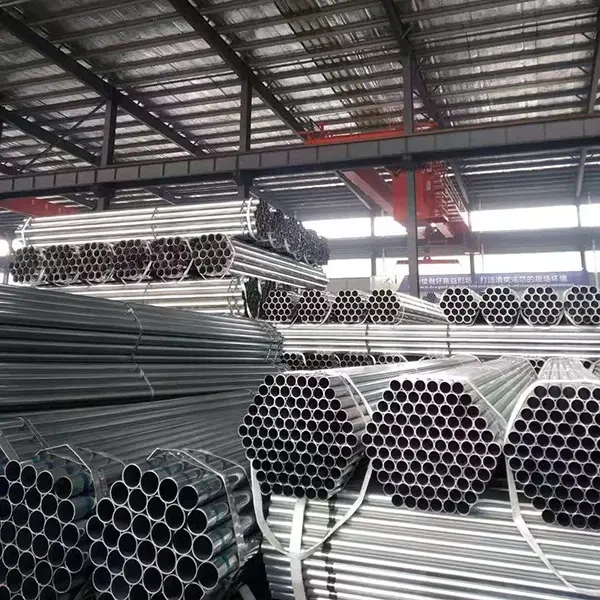
1/4 inch stainless steel tubing represents a critical component across diverse industrial applications, ranging from fluid conveyance in chemical processing to structural support in instrumentation. Its position within the material supply chain is as a semi-finished product, derived from stainless steel billet or coil through processes like extrusion or drawing. The core performance characteristics of 1/4" stainless steel tubing center around its corrosion resistance, high tensile strength, and precise dimensional tolerances. These factors dictate its suitability for applications demanding hygienic transport of fluids, resistance to harsh chemical environments, and precise fitting requirements. A primary industry pain point revolves around consistently achieving the specified surface finish and internal cleanliness, directly impacting the performance in sensitive applications like pharmaceutical and food processing. Maintaining tight dimensional control during manufacturing is also crucial to minimize welding requirements and ensure leak-proof systems. The selection of the appropriate grade of stainless steel (304/304L, 316/316L, etc.) is paramount based on the specific corrosive environment encountered.
Material Science & Manufacturing
The fundamental material for 1/4" stainless steel tubing is typically austenitic stainless steel, commonly grades 304/304L and 316/316L. 304/304L possesses excellent corrosion resistance in a wide range of atmospheric environments and many corrosive media. Its composition consists primarily of iron (Fe), chromium (18-20%), nickel (8-10.5%), and small amounts of manganese, silicon, and carbon. 316/316L offers superior resistance to chlorides and other halides, owing to the addition of molybdenum (2-3%). The ‘L’ designation indicates low carbon content, minimizing carbide precipitation during welding and enhancing weldability. The manufacturing process typically begins with hot extrusion of a solid billet, followed by cold drawing through a series of progressively smaller dies to achieve the desired 1/4" outer diameter and wall thickness. Key parameters during cold drawing include die angle, reduction ratio, and lubrication. Improper lubrication leads to increased friction, work hardening, and potential surface defects. Annealing is performed after drawing to restore ductility and relieve residual stresses. Precise temperature control during annealing is vital to achieve optimal mechanical properties. Final processes involve straightening, cutting to length, and cleaning to remove drawing compounds and oxides. Internal passivation is often implemented to enhance corrosion resistance by forming a chromium-rich oxide layer on the internal surface.
Performance & Engineering
The performance of 1/4" stainless steel tubing is dictated by several engineering considerations. Firstly, pressure rating is critical and depends directly on the wall thickness, material grade, and operating temperature. Force analysis, using equations such as the Barlow’s formula (S = (PD)/2t, where S = stress, P = pressure, D = outer diameter, t = wall thickness) is used to determine the maximum permissible operating pressure. Secondly, resistance to corrosion is paramount. Electrochemical corrosion mechanisms, such as pitting and crevice corrosion, can initiate in the presence of chlorides and other aggressive ions. Proper material selection (316/316L in chloride-rich environments) and passivation treatment are vital preventative measures. Thirdly, compliance with relevant industry standards (see section 7) ensures safety and performance. For example, ASTM A276 covers cold-finished stainless steel bars, including tubing. Finally, applications requiring high hygiene necessitate smooth internal surfaces (Ra < 0.8 µm) to minimize bacterial adhesion and facilitate cleaning-in-place (CIP) procedures. Fatigue life is a concern in applications involving cyclic loading; proper surface treatment and avoidance of stress concentrators (e.g., sharp bends) are essential.
Technical Specifications
| Parameter | 304/304L | 316/316L | Unit |
|---|---|---|---|
| Outer Diameter | 6.35 (±0.025) | 6.35 (±0.025) | mm |
| Wall Thickness | 1.0 - 3.0 | 1.0 - 3.0 | mm |
| Tensile Strength | 517 - 724 | 517 - 724 | MPa |
| Yield Strength (0.2% Offset) | 207 - 276 | 207 - 276 | MPa |
| Elongation (20mm Gauge) | 30-50 | 30-50 | % |
| Hardness (Rockwell B) | 85-100 | 85-100 | HRB |
Failure Mode & Maintenance
1/4" stainless steel tubing is susceptible to several failure modes. Corrosion, particularly pitting and crevice corrosion, is a common issue, especially in chloride-containing environments. Stress corrosion cracking (SCC) can occur under tensile stress in the presence of specific corrosive agents. Fatigue cracking can arise from cyclic loading, initiating at surface defects or stress concentrators. Erosion corrosion can occur in applications with high fluid velocities, particularly with abrasive particles. Oxidation at elevated temperatures can lead to scaling and reduced wall thickness. Delamination, though less common, can occur due to improper welding or manufacturing processes. Maintenance involves regular visual inspection for signs of corrosion, cracks, or deformation. Cleaning with appropriate detergents to remove corrosive contaminants is essential. For applications involving aggressive media, periodic passivation treatment can restore the protective chromium oxide layer. Non-destructive testing (NDT) methods, such as ultrasonic testing or eddy current testing, can be used to detect internal flaws. Regular pressure testing can verify the integrity of the tubing system. Welded joints should be inspected for porosity and cracks using radiographic or liquid penetrant testing. Proper support structures must be designed to prevent excessive bending stresses.
Industry FAQ
Q: What is the difference between 304/304L and 316/316L stainless steel tubing, and when should I choose one over the other?
A: 316/316L contains molybdenum, which significantly enhances its resistance to chloride corrosion compared to 304/304L. Choose 316/316L for applications exposed to marine environments, chemical processing involving chlorides, or situations where pitting corrosion is a concern. 304/304L is generally sufficient for less aggressive environments and offers a lower cost.
Q: What is passivation and why is it important for stainless steel tubing?
A: Passivation is a chemical treatment that removes free iron from the surface of the stainless steel, promoting the formation of a chromium-rich oxide layer. This passive layer provides excellent corrosion resistance. It’s important because even small amounts of free iron can initiate corrosion.
Q: What is the impact of welding on the corrosion resistance of stainless steel tubing?
A: Welding can create heat-affected zones (HAZ) where the chromium carbides precipitate, potentially reducing corrosion resistance. Using low-carbon grades (304L/316L) and proper welding procedures (controlled heat input, shielding gas) minimizes this effect. Post-weld heat treatment can also restore corrosion resistance.
Q: What dimensional tolerances should I expect for 1/4" stainless steel tubing?
A: Typical dimensional tolerances for outer diameter are ±0.025 mm, while wall thickness tolerances can range from ±0.05 mm to ±0.10 mm depending on the manufacturer and the specific grade. Tighter tolerances may be available but will generally increase the cost.
Q: How should I store stainless steel tubing to prevent corrosion before use?
A: Store stainless steel tubing in a dry, well-ventilated area, protected from exposure to chlorides and other corrosive substances. Cover the tubing to prevent dust and dirt accumulation. Avoid storing it in direct contact with dissimilar metals, which can promote galvanic corrosion.
Conclusion
1/4" stainless steel tubing is a versatile material offering a compelling combination of corrosion resistance, mechanical strength, and dimensional precision. The selection of the appropriate grade (304/304L vs. 316/316L) is dictated by the specific application environment and corrosive media encountered. Proper manufacturing processes, including controlled drawing, annealing, and passivation, are crucial to achieving optimal performance.
Understanding potential failure modes, such as corrosion cracking and fatigue, and implementing preventative maintenance strategies are essential for ensuring long-term reliability. By adhering to relevant industry standards and employing robust engineering practices, 1/4" stainless steel tubing can provide a durable and cost-effective solution for a wide range of industrial applications.
