

Introduction
1/4 inch (6.35mm) outer diameter steel tubing represents a common and versatile material within numerous industrial sectors. Positioned within the broader category of seamless or welded steel tubing, its technical relevance stems from its dimensional precision, concentricity, and mechanical properties. This guide details the material science, manufacturing processes, performance characteristics, potential failure modes, and maintenance protocols for 1/4 inch steel tubing, specifically addressing the critical needs of B2B industrial applications. Core performance characteristics include tensile strength, yield strength, corrosion resistance (dependent on alloy composition), and pressure handling capabilities, making it suitable for fluid transfer, structural supports, and instrumentation lines. A primary industry pain point is maintaining consistent dimensional accuracy and surface finish to ensure proper fitment and prevent leak paths in critical systems. The selection of appropriate alloy and manufacturing route are paramount to mitigate these concerns.
Material Science & Manufacturing
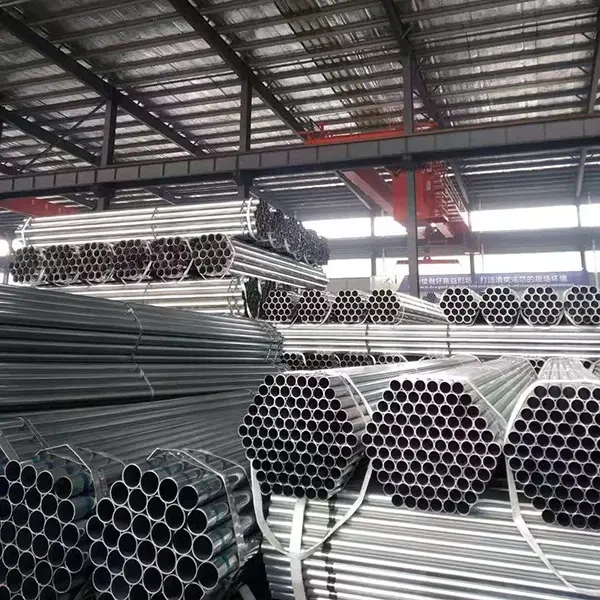
1/4 inch steel tubing is predominantly manufactured from carbon steel (e.g., 1010, 1020), alloy steels (e.g., 4130, 4140 chromium-molybdenum alloys), and stainless steels (e.g., 304, 316). Carbon steel offers cost-effectiveness but limited corrosion resistance. Alloy steels provide enhanced strength and toughness. Stainless steels offer superior corrosion resistance but at a higher cost. Raw material selection directly impacts the final product properties. The manufacturing process typically involves either seamless tube drawing or welded tube fabrication. Seamless tubing is produced by piercing a solid billet of steel and subsequently drawing it through progressively smaller dies, resulting in a homogenous structure. Welded tubing involves forming steel strip into a cylindrical shape and welding the seam, typically using Electric Resistance Welding (ERW) or Laser Welding. ERW introduces a heat-affected zone (HAZ) requiring careful control to minimize metallurgical changes and potential weld defects. Key parameters during manufacturing include temperature control during heating and cooling, reduction ratios during drawing, welding current and speed for ERW, and shielding gas composition for laser welding. Chemical composition is meticulously controlled to meet specific ASTM or EN standards. Post-manufacturing processes include annealing, pickling, and surface finishing (e.g., galvanizing, painting) to enhance corrosion resistance or provide specific surface characteristics. A critical challenge is ensuring consistent wall thickness and minimizing ovality during the drawing or forming process.
Performance & Engineering
The performance of 1/4 inch steel tubing is heavily influenced by its mechanical properties and environmental operating conditions. Force analysis considers tensile stress, compressive stress, bending moment, and torsional stress, all dictated by the application. For pressure applications, burst pressure calculations based on Barlow’s formula (P = 2St/D, where P=pressure, S=tensile strength, t=wall thickness, D=diameter) are crucial. Environmental resistance is paramount; carbon steel tubing requires protective coatings in corrosive environments. Stainless steel tubing offers inherent corrosion resistance, though pitting corrosion can occur in chloride-rich environments. Compliance requirements vary by industry. In the oil and gas sector, API 5L and API 5CT standards govern tubing specifications. For pressure vessels, ASME Boiler and Pressure Vessel Code Section IX applies. For medical applications, ISO 13485 and biocompatibility testing are required. Functional implementation often involves joining techniques like welding, brazing, or mechanical fittings. Welding requires careful consideration of filler metal selection and welding procedure specification (WPS) to maintain joint integrity and avoid localized corrosion. Finite Element Analysis (FEA) is increasingly used to optimize tubing geometry and predict stress distribution under load. A common engineering challenge is fatigue failure caused by cyclic loading, necessitating careful material selection and design considerations to maximize fatigue life.
Technical Specifications
| Parameter | Carbon Steel (1018) | Alloy Steel (4130) | Stainless Steel (304) | ASTM Specification |
|---|---|---|---|---|
| Outer Diameter (in) | 0.250 +/- 0.005 | 0.250 +/- 0.005 | 0.250 +/- 0.005 | A53, A106 |
| Wall Thickness (in) | 0.065 – 0.120 | 0.065 – 0.150 | 0.065 – 0.120 | A53, A106 |
| Tensile Strength (psi) | 60,000 | 70,000 | 75,000 | A53, A106 |
| Yield Strength (psi) | 36,000 | 58,000 | 30,000 | A53, A106 |
| Elongation (%) | 25 | 18 | 30 | A53, A106 |
| Corrosion Resistance | Low (Requires Coating) | Moderate (Requires Coating) | High | ASTM A262 |
Failure Mode & Maintenance
Common failure modes for 1/4 inch steel tubing include corrosion (particularly for carbon steel), fatigue cracking (under cyclic loading), denting (from external impact), and weld defects (in welded tubing). Corrosion manifests as localized pitting or general thinning of the wall. Fatigue cracking initiates at stress concentrators (e.g., weld seams, dents) and propagates over time. Weld defects, such as porosity or lack of fusion, reduce the tube's strength and can lead to catastrophic failure. Hydrogen embrittlement can also occur in high-strength steels exposed to hydrogen sulfide. Maintenance protocols involve regular visual inspections for signs of corrosion, dents, or cracks. Non-destructive testing (NDT) methods, such as ultrasonic testing (UT) and eddy current testing (ECT), can detect internal flaws and wall thinning. Protective coatings (e.g., epoxy, galvanizing) should be reapplied as needed. For critical applications, hydrostatic testing should be performed periodically to verify the tube's pressure integrity. Proper storage and handling are essential to prevent damage. Avoid bending the tubing excessively or subjecting it to impact loads. If corrosion is detected, the affected area should be cleaned, and a new protective coating applied. For severely corroded or cracked tubing, replacement is the recommended course of action. Routine cleaning to remove debris and contaminants can also prevent localized corrosion.
Industry FAQ
Q: What is the impact of heat treatment on the mechanical properties of 4130 alloy steel tubing?
A: Heat treatment, specifically quenching and tempering, significantly impacts the mechanical properties of 4130 alloy steel tubing. Quenching hardens the steel, increasing its yield and tensile strength, while tempering improves ductility and toughness. The specific temperature and duration of the heat treatment cycle dictate the final properties. Improper heat treatment can lead to cracking or reduced toughness.
Q: How does the welding process affect the corrosion resistance of stainless steel tubing?
A: The welding process can compromise the corrosion resistance of stainless steel tubing if not performed correctly. The heat-affected zone (HAZ) can experience sensitization, leading to the formation of chromium carbides and a reduction in chromium content, making the material susceptible to intergranular corrosion. Proper welding procedures, including the use of appropriate filler metals and post-weld heat treatment, are crucial to maintain corrosion resistance.
Q: What are the key considerations when selecting tubing for hydraulic applications?
A: Key considerations include burst pressure, yield strength, fatigue life, and fluid compatibility. The tubing must withstand the maximum operating pressure with an adequate safety factor. The material must be resistant to corrosion from the hydraulic fluid. The tubing’s surface finish is also important to minimize friction losses and prevent seal damage.
Q: What are the advantages of seamless tubing over welded tubing?
A: Seamless tubing generally exhibits superior strength and uniformity due to the absence of a weld seam. It also eliminates the risk of weld-related defects, such as porosity or incomplete fusion. Seamless tubing is preferred for critical applications requiring high pressure or fatigue resistance. However, it is typically more expensive to manufacture than welded tubing.
Q: How does wall thickness affect the buckling resistance of the tubing?
A: Buckling resistance is directly proportional to wall thickness. Increasing the wall thickness significantly enhances the tubing's ability to withstand compressive loads and resist buckling. The buckling load is also influenced by the tube's diameter and material properties. Thin-walled tubing is more susceptible to buckling under compressive stress.
Conclusion
1/4 inch steel tubing represents a foundational component across diverse industrial sectors, demanding careful material selection and meticulous manufacturing control. Understanding the interplay between material properties, fabrication techniques, and operational environments is critical for ensuring long-term performance and reliability. The choice between carbon steel, alloy steel, and stainless steel depends on the specific application requirements, balancing cost, strength, and corrosion resistance.
Future trends point towards increased utilization of advanced manufacturing techniques, such as laser welding and additive manufacturing, to produce tubing with enhanced dimensional accuracy and tailored material properties. Further research into corrosion-resistant alloys and protective coatings will continue to improve the longevity and performance of steel tubing in challenging environments. A comprehensive understanding of potential failure modes and diligent maintenance practices remain paramount to maximizing the lifespan and minimizing the risk of catastrophic failures.
