
Introduction
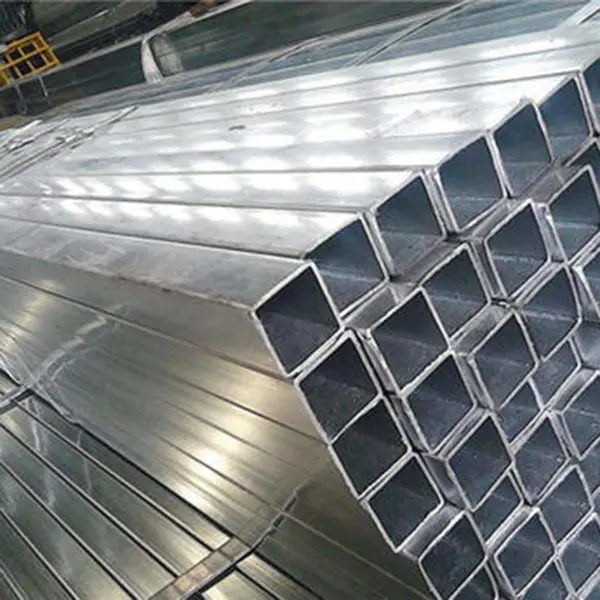
1 5/16 inch outer diameter (OD) galvanized pipe is a carbon steel pipe protected by a zinc coating. It is a widely utilized material in various industries including plumbing, fire protection, structural applications, and fluid transport. Galvanization provides corrosion resistance, making it suitable for both indoor and outdoor use. Its position in the industry chain lies between steel manufacturing and downstream fabrication/installation. The core performance characteristics of this pipe are its pressure handling capability, structural integrity determined by tensile strength and yield strength, corrosion resistance dictated by the zinc coating thickness and quality, and dimensional accuracy crucial for consistent connection and integration into larger systems. A primary industry pain point is maintaining consistent zinc coating quality to prevent premature corrosion, leading to costly repairs and system failures. Another challenge is accurately specifying the pipe’s mechanical properties based on application requirements to avoid under-engineering or unnecessary material cost.
Material Science & Manufacturing
The base material for 1 5/16” OD galvanized pipe is typically carbon steel, specifically ASTM A53 Grade B or similar. This steel consists primarily of iron (Fe) with varying amounts of carbon (typically 0.05-0.30%), manganese (Mn), phosphorus (P), and sulfur (S). Manganese enhances strength and hardenability, while phosphorus and sulfur are present as impurities that can affect weldability and ductility. The zinc coating is applied through a hot-dip galvanization process. This involves cleaning the steel pipe to remove mill scale and contaminants, followed by immersion in a bath of molten zinc. The zinc metallurgically bonds to the steel surface forming a protective layer. Key manufacturing parameters include bath temperature (typically 450-460°C), immersion time (dependent on pipe thickness), and cooling rate. Maintaining a consistent zinc coating thickness (typically 0.0017 - 0.0022 inches, depending on application) is critical. Prior to galvanization, pipe manufacturing commonly involves Electric Resistance Welding (ERW) or seamless processes. ERW involves forming the steel into a cylindrical shape and welding the seam using electric resistance heat. Seamless pipes are produced by piercing a solid billet of steel, offering higher pressure ratings. Quality control focuses on weld integrity (for ERW), dimensional accuracy, and coating uniformity. Proper surface preparation – pickling and fluxing – is essential for optimal zinc adhesion.
Performance & Engineering
The performance of 1 5/16” OD galvanized pipe is fundamentally governed by its mechanical properties and corrosion resistance. Force analysis involves calculating hoop stress (stress acting circumferentially) due to internal pressure. This stress must remain below the yield strength of the steel to prevent deformation or rupture. The applicable equations depend on the pipe’s dimensions and the internal pressure. Environmental resistance is primarily provided by the zinc coating, which acts as a barrier layer and sacrificial anode. The rate of zinc corrosion is influenced by factors such as humidity, salinity, and atmospheric pollutants. Galvanized pipe must meet various compliance requirements depending on its intended application. For potable water systems, it must comply with NSF/ANSI 61 standards to ensure lead-free composition and prevent leaching of harmful substances. For fire protection systems, it must meet UL 6, FM Approved, or other relevant fire safety standards, demonstrating resistance to high temperatures and mechanical impact. Functional implementation relies on threaded connections using standard pipe threads (NPT – National Pipe Thread) or welded connections using appropriate welding procedures and filler metals compatible with both the steel and zinc coating (avoiding excessive zinc vaporization and potential porosity). A common engineering challenge is mitigating galvanic corrosion when connecting galvanized pipe to dissimilar metals. This is often addressed using dielectric unions or couplings.
Technical Specifications
| Parameter | Specification (Typical) | Test Method | Industry Standard |
|---|---|---|---|
| Outer Diameter | 1.5625 inches (1 5/16") | Micrometer | ASTM A53 |
| Wall Thickness | Schedule 40: 0.154 inches, Schedule 80: 0.218 inches | Ultrasonic Thickness Testing | ASTM A53 |
| Minimum Yield Strength | 36,000 psi (248 MPa) | Tensile Testing | ASTM A53 |
| Minimum Tensile Strength | 60,000 psi (414 MPa) | Tensile Testing | ASTM A53 |
| Zinc Coating Thickness | 0.0017 - 0.0022 inches (43 - 56 μm) | Magnetic Thickness Gauge | ASTM A123 |
| Corrosion Resistance (Salt Spray Test) | Minimum 240 hours to white rust | ASTM B117 | ASTM A123 |
Failure Mode & Maintenance
Common failure modes for 1 5/16” OD galvanized pipe include localized corrosion (pitting), uniform corrosion, thread failure, and mechanical damage. Pitting corrosion occurs due to imperfections in the zinc coating or the presence of chlorides. Uniform corrosion results from prolonged exposure to corrosive environments. Thread failure can occur due to overtightening, corrosion, or fatigue loading. Mechanical damage includes denting, crushing, or cracking from external forces. Fatigue cracking can initiate at stress concentrators like welds or threaded connections, especially under cyclic loading. Delamination of the zinc coating is a less common failure but indicates poor adhesion during the galvanization process. Oxidation of the steel substrate is a secondary failure mode once the zinc coating is compromised. Preventive maintenance includes regular visual inspections for signs of corrosion, proper joint tightening to avoid thread damage, and protective coatings (e.g., paint) for outdoor applications. For minor corrosion, cleaning and application of a zinc-rich primer can help slow down the corrosion process. For significant corrosion or damage, pipe replacement is often necessary. Periodic hydrostatic testing can verify the structural integrity of the pipe. Consideration should also be given to cathodic protection in buried applications to mitigate corrosion.
Industry FAQ
Q: What is the impact of hot forming on the galvanized coating’s performance?
A: Hot forming after galvanization can reduce the coating thickness in the deformation zones and potentially crack the zinc layer, diminishing corrosion protection. Therefore, forming operations should ideally be performed before galvanization. If hot forming is unavoidable, local re-galvanization or application of a protective coating is necessary in the affected areas.
Q: How does the sulfur content in the steel affect the galvanizing process?
A: High sulfur content can react with molten zinc to form brittle zinc-iron sulfides, leading to a powdery and poorly adhered coating. Steel with low sulfur content is preferred for optimal galvanization. The use of fluxing agents during the galvanization process helps mitigate this issue.
Q: What is the difference between Schedule 40 and Schedule 80 pipe in terms of pressure rating?
A: Schedule 80 pipe has a thicker wall thickness compared to Schedule 40 pipe, resulting in a higher pressure rating. Schedule 80 can withstand significantly higher internal pressures and external loads. The specific pressure rating depends on the pipe diameter and material grade, and should be verified using appropriate engineering calculations and standards.
Q: Is galvanized pipe suitable for use with highly acidic or alkaline fluids?
A: Galvanized pipe is generally not recommended for prolonged exposure to highly acidic or alkaline fluids. These fluids can dissolve the zinc coating, leading to rapid corrosion of the steel substrate. Alternative materials like stainless steel or plastic piping are more suitable for such applications.
Q: How can I verify the quality of the galvanization process?
A: Quality can be verified through several methods, including visual inspection for coating uniformity and defects, magnetic thickness testing to measure coating thickness, and salt spray testing to assess corrosion resistance. Documentation from the galvanizer, including material certifications and test reports, should also be reviewed.
Conclusion
1 5/16” OD galvanized pipe remains a cost-effective and versatile material for a wide range of applications. Its performance relies heavily on the quality of the steel substrate, the uniformity and thickness of the zinc coating, and adherence to established manufacturing and installation practices. Understanding the potential failure modes and implementing appropriate maintenance procedures are crucial for ensuring long-term reliability and minimizing lifecycle costs.
Moving forward, innovations in zinc alloy coatings and pre-treatment processes may further enhance the corrosion resistance of galvanized pipe. Continued development of non-destructive testing methods for coating quality and more precise control of the galvanization process will be essential for meeting increasingly stringent industry demands and ensuring the continued viability of galvanized steel piping systems. The selection of the appropriate schedule (40 or 80) and proper joining techniques will continue to be critical engineering considerations.
