
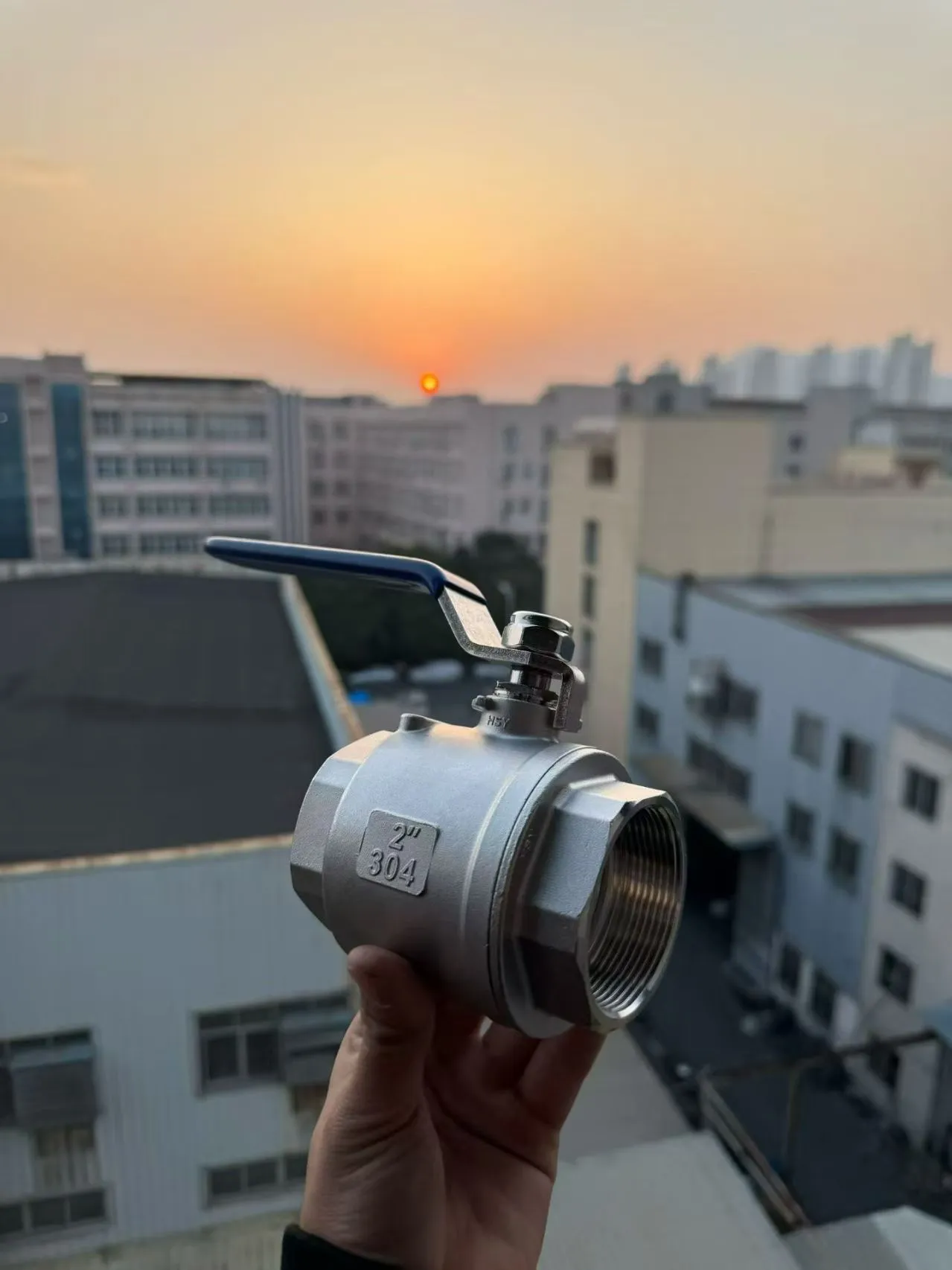
Introduction
One-inch stainless steel (SS) pipe is a standardized dimension of pipe commonly utilized across a diverse spectrum of industrial applications, including fluid transfer, process piping, and structural support. Within the broader landscape of piping systems, it occupies a critical niche, balancing cost-effectiveness with sufficient flow capacity and structural integrity. This guide provides an in-depth technical analysis of 1-inch SS pipe, encompassing material science, manufacturing processes, performance characteristics, potential failure modes, and relevant industry standards. Its widespread adoption stems from the inherent corrosion resistance of stainless steel alloys, contributing to extended service life and reduced maintenance requirements in demanding environments. Key performance indicators for 1-inch SS pipe include pressure rating, temperature tolerance, chemical compatibility, and adherence to dimensional specifications, all of which are crucial for ensuring safe and reliable operation. The core challenge for engineers and procurement professionals lies in selecting the optimal grade of stainless steel and ensuring proper fabrication and installation to maximize performance and longevity.
Material Science & Manufacturing
The primary raw material for 1-inch SS pipe is stainless steel, typically alloys within the 300 series (e.g., 304, 316) or the 400 series (e.g., 410, 430). 304 stainless steel, containing 18-8 chromium and nickel, offers excellent corrosion resistance in a wide range of environments. 316 stainless steel, with the addition of molybdenum, provides enhanced resistance to chloride corrosion, making it suitable for marine applications and processes involving halogenated compounds. The 400 series, being martensitic or ferritic, offers lower cost but generally exhibits reduced corrosion resistance compared to the 300 series. The material’s mechanical properties – yield strength, tensile strength, elongation, and hardness – are dictated by its chemical composition and heat treatment. Manufacturing typically begins with the production of a seamless or welded tube. Seamless pipe is created by piercing a solid billet of stainless steel and subsequently drawing it to the desired dimensions. Welded pipe is fabricated by rolling a steel strip into a cylindrical shape and welding the seam, followed by similar drawing and sizing operations. Key parameters during manufacturing include controlled heating and cooling rates to maintain desired microstructure, precise welding parameters to ensure seam integrity (for welded pipe), and rigorous dimensional control. Surface finishing, such as pickling and passivation, is crucial to enhance corrosion resistance by removing surface contaminants and forming a protective chromium oxide layer. Non-destructive testing (NDT) methods, including radiography, ultrasonic testing, and eddy current testing, are employed to detect flaws and ensure structural integrity.

Performance & Engineering
The performance of 1-inch SS pipe is heavily influenced by hydrostatic pressure, temperature, and the nature of the conveyed fluid. Force analysis involves calculating hoop stress and longitudinal stress based on the internal pressure and pipe wall thickness using Barlow’s formula and related equations. These stresses must remain below the material’s yield strength and ultimate tensile strength to prevent failure. Environmental resistance is determined by the alloy’s susceptibility to corrosion, erosion, and oxidation. In corrosive environments, factors like pH, chloride concentration, and temperature significantly affect corrosion rates. Galvanic corrosion can occur when SS pipe is in contact with dissimilar metals; proper isolation techniques are crucial to mitigate this risk. Compliance requirements are governed by industry standards and regulations, such as ASME B31.3 for process piping and ASTM A312 for stainless steel pipe specifications. Functional implementation requires careful consideration of pipe supports, expansion joints, and connections (e.g., threaded, welded, flanged) to accommodate thermal expansion and contraction, vibration, and mechanical loads. Finite element analysis (FEA) is often employed to model complex piping systems and optimize designs for stress distribution and structural integrity. The pipe’s ability to withstand cyclic loading (fatigue) is also a critical engineering consideration, especially in applications involving pulsating flows or dynamic stresses.
Technical Specifications
| Parameter | 304/304L Stainless Steel | 316/316L Stainless Steel | 410 Stainless Steel |
|---|---|---|---|
| Outside Diameter (OD) | 1.660 inches (Nominal) | 1.660 inches (Nominal) | 1.660 inches (Nominal) |
| Wall Thickness (Schedule 40) | 0.154 inches | 0.154 inches | 0.171 inches |
| Yield Strength (Minimum) | 30,000 psi | 30,000 psi | 25,000 psi |
| Tensile Strength (Minimum) | 75,000 psi | 75,000 psi | 70,000 psi |
| Elongation (Minimum) | 30% | 30% | 15% |
| Corrosion Resistance | Excellent (General Purpose) | Superior (Chloride Environments) | Moderate (Requires Protective Coatings) |
Failure Mode & Maintenance
Common failure modes for 1-inch SS pipe include pitting corrosion, crevice corrosion, stress corrosion cracking (SCC), erosion corrosion, and fatigue cracking. Pitting corrosion occurs due to localized breakdown of the passive layer, often initiated by chloride ions. Crevice corrosion develops in shielded areas, such as under gaskets or flanges. SCC results from the combined action of tensile stress and a corrosive environment. Erosion corrosion is caused by the abrasive action of fluids containing solid particles. Fatigue cracking occurs due to repeated cyclic loading. Oxidation at high temperatures can also lead to material degradation. Failure analysis typically involves visual inspection, microscopic examination, and chemical analysis to determine the root cause of the failure. Preventive maintenance includes regular inspection for corrosion, erosion, and cracks; proper cleaning to remove contaminants; and implementation of corrosion inhibitors. Welded joints are particularly susceptible to failure and require careful inspection and repair. Proper support and alignment are crucial to minimize stress and prevent fatigue cracking. For critical applications, periodic hydrostatic testing is recommended to verify the integrity of the piping system. When repairs are necessary, qualified welders and appropriate welding procedures must be employed to ensure structural integrity and maintain corrosion resistance.
Industry FAQ
Q: What is the difference between Schedule 40 and Schedule 80 pipe, and how does it affect pressure capacity?
A: Schedule 40 and Schedule 80 refer to the pipe wall thickness. Schedule 80 has a thicker wall than Schedule 40. The increased wall thickness of Schedule 80 provides a higher pressure rating, allowing it to withstand greater internal pressure. However, Schedule 80 also has a smaller internal diameter for the same nominal pipe size and is more expensive. The appropriate schedule is selected based on the operating pressure, temperature, and fluid characteristics of the application.
Q: How can I prevent pitting corrosion in a chloride-rich environment?
A: Pitting corrosion in chloride environments can be mitigated by using 316 stainless steel (or higher alloys like Alloy 20), ensuring proper passivation of the surface, avoiding crevices where chlorides can concentrate, and employing cathodic protection or corrosion inhibitors. Regular cleaning and inspection are also crucial for early detection and remediation.
Q: What are the best practices for welding stainless steel pipe?
A: Welding stainless steel requires careful control of heat input, shielding gas (argon is common), and filler metal selection. Preheating and post-weld heat treatment may be necessary to prevent cracking. Proper cleaning and removal of oxides before welding are essential. Low heat input welding techniques are preferred to minimize distortion and preserve corrosion resistance.
Q: What is the significance of passivation in stainless steel piping?
A: Passivation is a chemical treatment that removes free iron from the surface of stainless steel, enhancing the formation of a protective chromium oxide layer. This layer provides excellent corrosion resistance. Passivation is particularly important after welding, machining, or other processes that may have introduced contaminants to the surface.
Q: How do I determine the appropriate pipe support spacing for 1-inch SS pipe?
A: Pipe support spacing depends on the pipe diameter, wall thickness, fluid weight, operating temperature, and allowable stress. Calculations should be performed based on relevant piping codes (e.g., ASME B31.3) to determine the optimal support spacing to prevent excessive bending stresses and sagging.
Conclusion
1-inch stainless steel pipe represents a versatile and reliable solution for a broad range of industrial fluid handling and structural applications. The selection of the appropriate grade of stainless steel – 304/304L, 316/316L, or 410 – is paramount, dictated by the specific environmental conditions and fluid compatibility requirements. Proper manufacturing processes, including controlled welding and surface finishing, are essential to ensure the pipe’s structural integrity and corrosion resistance.
Effective maintenance, incorporating regular inspections, corrosion monitoring, and timely repairs, is crucial for maximizing the service life and minimizing the risk of failure. Adherence to relevant industry standards (ASME, ASTM) and best practices in design, fabrication, and installation are fundamental to achieving safe and reliable performance. Continued advancements in stainless steel alloys and corrosion protection technologies are expected to further enhance the capabilities and longevity of 1-inch SS pipe in demanding industrial environments.
