
Introduction
3-inch outer diameter (OD) pipe is a foundational component in numerous industrial applications, serving as a conduit for fluids and gases across sectors including oil and gas, water treatment, chemical processing, and construction. Its designation stems from its nominal outside diameter of 3 inches, although the actual OD may vary slightly based on wall thickness and schedule number (e.g., Schedule 40, Schedule 80). This pipe size strikes a balance between flow capacity and structural integrity, making it a prevalent choice for medium-to-high volume transfer systems. The material composition dictates the pipe’s performance characteristics, with carbon steel, stainless steel, and various polymers being common choices. Core performance metrics include pressure rating, tensile strength, corrosion resistance, and temperature tolerance, all critical for ensuring safe and reliable operation within a given industrial context. A critical pain point in specifying 3-inch OD pipe lies in correctly matching material grade and schedule to the process fluid and operating conditions, avoiding premature failure due to corrosion, erosion, or exceeding pressure limitations.
Material Science & Manufacturing
The most common material for 3-inch OD pipe is carbon steel, specifically ASTM A53 Grade B, offering a cost-effective solution for many applications. The chemical composition primarily consists of iron, with controlled levels of carbon, manganese, phosphorus, and sulfur. The carbon content influences weldability and strength; higher carbon content increases strength but reduces ductility. Manufacturing typically involves seamless or welded processes. Seamless pipe is produced by piercing a solid billet of steel and drawing it to the desired dimensions, resulting in a uniform structure without weld seams, offering superior pressure-containing capability. Welded pipe, commonly produced via Electric Resistance Welding (ERW) or submerged arc welding (SAW), involves forming a strip of steel into a cylindrical shape and fusing the edges. ERW uses high-frequency electric current to melt the edges, while SAW employs a flux-covered electrode. Control of welding parameters – current, voltage, travel speed, and cooling rate – is crucial to minimize defects like porosity and incomplete fusion. Stainless steel grades, such as 304/304L and 316/316L, are selected for corrosive environments, owing to their high chromium content (typically 18-20%) which forms a passive protective layer. Polymer pipes, such as HDPE (High-Density Polyethylene) and PVC (Polyvinyl Chloride), are manufactured via extrusion, where molten polymer is forced through a die to create the desired shape and diameter. Critical parameters in polymer extrusion include die temperature, extrusion rate, and cooling rate, affecting pipe dimensions and mechanical properties.
Performance & Engineering
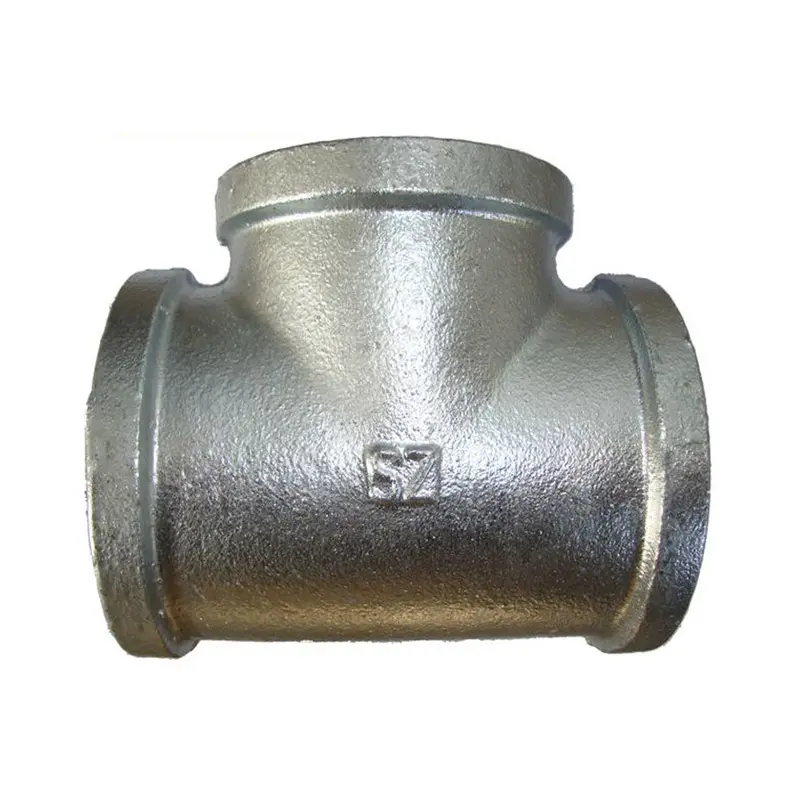
The performance of 3-inch OD pipe is fundamentally governed by its ability to withstand internal pressure and external loads. Hoop stress, calculated using the Barlow formula (σ = PD/2t, where P is pressure, D is diameter, and t is wall thickness), dictates the pipe’s resistance to bursting under pressure. Finite Element Analysis (FEA) is frequently employed to model stress distribution, particularly in complex piping systems with bends, tees, and other fittings. Environmental resistance is paramount; corrosion can significantly reduce pipe wall thickness and lead to failure. Electrochemical corrosion, influenced by factors like pH, temperature, and electrolyte concentration, requires careful material selection and potentially the application of protective coatings (e.g., epoxy, polyethylene). Thermal expansion and contraction are also critical considerations, particularly in systems operating at elevated temperatures. Expansion loops and flexible connectors are utilized to accommodate dimensional changes and prevent stress buildup. For applications involving fluid flow, factors like friction factor (influenced by pipe roughness) and fluid velocity are key. The Darcy-Weisbach equation is used to calculate pressure drop due to friction. Compliance with industry standards (see footer) is essential, often dictating minimum wall thicknesses, allowable stresses, and testing requirements. A major industry pain point is accurately predicting long-term corrosion rates and selecting appropriate corrosion allowance to extend the service life of the pipe.
Technical Specifications
| Parameter | ASTM A53 Grade B (Carbon Steel) | 304/304L Stainless Steel | HDPE (PE100) | Schedule Number |
|---|---|---|---|---|
| Nominal Pipe Size (OD) | 3 inches (88.9 mm) | 3 inches (88.9 mm) | 3 inches (88.9 mm) | 40, 80, 160 |
| Typical Wall Thickness (Schedule 40) | 0.218 inches (5.54 mm) | 0.083 inches (2.11 mm) | 0.236 inches (6.00 mm) | Determines wall thickness |
| Yield Strength (Minimum) | 36,000 psi (248 MPa) | 30,000 psi (207 MPa) | 4,400 psi (30 MPa) | N/A |
| Tensile Strength (Minimum) | 58,000 psi (400 MPa) | 75,000 psi (517 MPa) | 6,700 psi (46 MPa) | N/A |
| Maximum Operating Pressure (Schedule 40) | 740 psi (5,100 kPa) | 550 psi (3,790 kPa) | 160 psi (1,100 kPa) | Dependent on schedule |
| Corrosion Resistance | Low (requires coatings) | Excellent (passive layer) | Excellent (chemical inertness) | N/A |
Failure Mode & Maintenance
Common failure modes for 3-inch OD pipe include corrosion (uniform, pitting, galvanic), erosion (especially with abrasive fluids), fatigue cracking (due to cyclic loading), and weld defects (in welded pipe). Corrosion manifests as material loss, reducing wall thickness and pressure-containing capacity. Pitting corrosion, localized attack, can initiate rapid failure. Erosion occurs when high-velocity fluids or solids impinge on the pipe wall. Fatigue cracking initiates from stress concentrations (e.g., welds, dents) and propagates under cyclic loading. Weld defects, such as porosity and incomplete fusion, create stress risers and are prone to failure. Maintenance strategies include regular visual inspections for corrosion and damage, non-destructive testing (NDT) such as ultrasonic testing (UT) and radiographic testing (RT) to detect internal flaws, and application of protective coatings (e.g., epoxy, polyurethane) to mitigate corrosion. Cathodic protection, using sacrificial anodes or impressed current, can also prevent corrosion. For polymer pipes, UV degradation can lead to embrittlement and cracking, requiring UV stabilizers or protective coverings. Regular cleaning to remove scale and debris is crucial to prevent erosion and maintain flow efficiency. A significant industry challenge is accurately assessing remaining wall thickness in corroded pipes without disrupting operation, often requiring advanced NDT techniques and sophisticated data analysis.
Industry FAQ
Q: What is the difference between Schedule 40 and Schedule 80 pipe, and how does it impact pressure rating?
A: Schedule number refers to the approximate internal diameter of the pipe for a given nominal size. Schedule 80 pipe has a thicker wall than Schedule 40 pipe. This increased wall thickness directly translates to a higher pressure rating, as the pipe can withstand greater internal forces. The pressure rating is also influenced by material grade; a higher yield strength material will allow for a higher operating pressure at the same schedule. Selection depends on the process requirements and safety factors.
Q: How do you determine the appropriate corrosion allowance for a specific application?
A: Corrosion allowance is the extra wall thickness added to compensate for anticipated material loss due to corrosion over the pipe's lifespan. It's determined by considering the process fluid’s corrosivity (pH, chloride content, dissolved oxygen), operating temperature, flow velocity, and expected service life. Corrosion rate data from similar applications or laboratory testing is used to estimate the total material loss. Industry standards often provide guidance on appropriate corrosion allowances for specific materials and environments.
Q: What are the key considerations when welding 3-inch OD stainless steel pipe?
A: Welding stainless steel requires specific procedures to maintain corrosion resistance. Proper shielding gas (argon or argon-helium mixtures) is critical to prevent oxidation. Contamination from carbon steel or other materials must be avoided. Post-weld heat treatment (PWHT) is often required to restore ductility and eliminate residual stresses. Qualified welders and adherence to welding codes (e.g., ASME Section IX) are essential.
Q: Can 3-inch OD HDPE pipe be used for pressurized gas applications?
A: Yes, but careful consideration must be given to permeation rates and the potential for embrittlement. HDPE has a relatively high permeability to gases, which can lead to leakage over time. The pipe must be specifically designed for gas service, with appropriate pressure ratings and jointing methods (e.g., butt fusion). Regulations regarding gas pipelines must be strictly followed.
Q: What are the advantages of using seamless pipe over welded pipe for critical applications?
A: Seamless pipe offers superior strength and reliability, particularly for high-pressure applications, because it lacks weld seams which represent potential failure points. It is less susceptible to fatigue cracking and corrosion at the weld area. While generally more expensive, the enhanced safety and longevity often justify the cost in critical applications such as high-pressure chemical processing or oil and gas pipelines.
Conclusion
3-inch OD pipe serves as a fundamental component in diverse industrial processes. The selection of appropriate material, schedule, and manufacturing method is critical for ensuring long-term reliability and safety. Understanding the interplay between material properties, operating conditions, and potential failure modes is paramount for effective engineering design and maintenance. Careful consideration of corrosion, erosion, and fatigue is essential, alongside adherence to relevant industry standards and best practices.
Future developments in pipe materials and manufacturing techniques will likely focus on enhancing corrosion resistance, increasing strength-to-weight ratios, and improving inspection capabilities. Advanced NDT methods, coupled with data analytics, will enable more accurate assessment of pipe integrity and predictive maintenance. The continued drive for sustainability will also promote the use of alternative materials and environmentally friendly corrosion protection strategies.
